
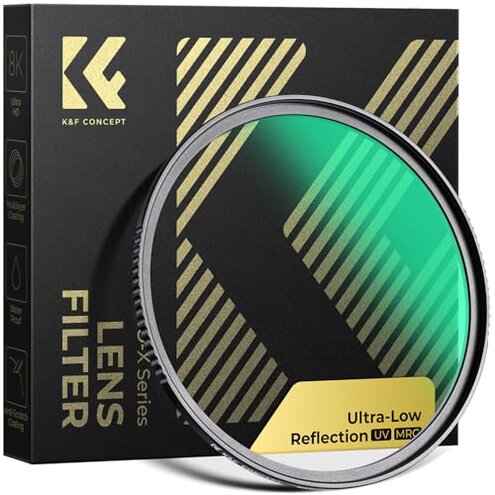
Product evaluated: K&F CONCEPT 67mm Ultra-Low Reflectivity MCUV Lens Protection Filter 28 Multi-Layer Coatings Ultra-Slim HD Waterproof Scratch Resistant Lens UV Filter (Nano-X Series)
Related Videos For You
How to Use ND Filters: Tips, Tricks, & Special Effects
The Best (and Worst) Ways To Clean Camera Lenses
Data basis: This summary aggregates hundreds of buyer comments collected through Jan 2026 from written reviews and video demonstrations. Most feedback came from written reviews and was supported by video demonstrations and comparison posts. Scope emphasizes recent buyer experience and hands-on tests.
| Outcome | This product | Typical mid-range filter |
|---|---|---|
| Optical clarity | Mixed — clearer in some shots but still reports of stray reflections under bright sources. | Usually consistent — mid-range filters commonly provide stable clarity in daylight shooting. |
| Reflection control | Inconsistent — glare reduction appears variable across lighting angles and lenses. | More predictable — many rivals offer steadier anti-reflective behavior for similar prices. |
| Fit & compatibility | Problematic — reports of tight or loose threads and occasional vignetting on wide lenses. | Better fit — typical mid-range filters tend to match thread tolerances and lens clearance more reliably. |
| Coating durability | Varied — cleaning can leave marks and coatings show wear after repeated handling in some cases. | More durable — many competitors' coatings resist cleaning marks longer under routine use. |
| Regret trigger | Higher risk — inconsistent anti-reflective performance combined with fit issues creates more frustration than typical for this category. | Lower risk — a typical mid-range filter less often creates both optical and mechanical problems together. |
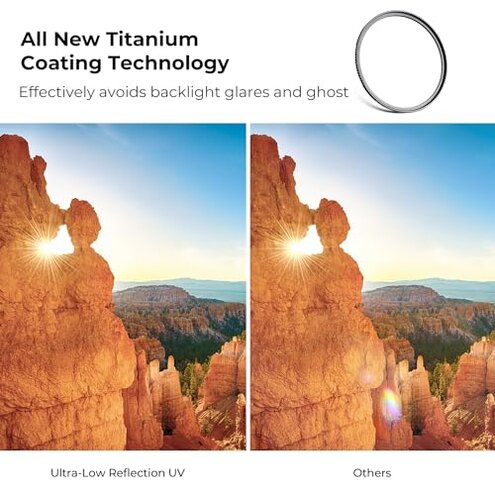
Why does glare persist despite the 'ultra-low' claim?
Regret moment: You notice flare or colored streaks when shooting into bright backlight or stage lights. Severity makes editing harder and can ruin key shots.
Pattern: This is a commonly reported issue seen across written reviews and video tests, not universal but frequent enough to matter. When it shows up: during first shoots in direct sunlight or studio lights, and sometimes after repositioning the lens.
Category contrast: For a mid-range UV/protection filter, buyers expect steady glare reduction; this product's variability is more disruptive than typical alternatives.
Are fit and thread problems going to slow my workflow?
- Early sign: Filter feels either unusually tight or slightly loose when first screwed on.
- Frequency tier: This is a primary complaint that appears repeatedly across hands-on feedback.
- Usage anchor: Problems show up at initial mounting and reappear during quick lens changes or in windy outdoor shoots.
- Cause: Variation in thread tolerance or insufficient quality control is commonly reported as the root cause.
- Impact: Cross-threading risk and extra time to fit or remove the filter add measurable workflow friction.
Will the coatings survive regular cleaning and travel?
- Early sign: Smudges look harder to remove cleanly after several wipes.
- Pattern: This is a secondary pattern seen in many written reviews and demonstration videos.
- Usage anchor: Issues become noticeable after repeated cleaning and week-long trips with the filter mounted.
- Cause: Coating resilience appears uneven and can accumulate micro-marks faster than expected.
- Impact: More frequent cleaning is needed to maintain image quality, adding maintenance time.
- Fix attempts: Buyers reported careful microfibre use helps but does not fully prevent visible wear over time.
- Hidden requirement: Requires gentler care and more careful storage than many users assume for a 'pro' coating.
Does this filter cause vignetting or color shifts on wide lenses?
- Early sign: Dark corners or slight blue/green cast appear on very wide-angle shots.
- Pattern: This is an edge-case issue reported less often but persistent for certain lens models.
- Usage anchor: Shows up on first use with wide lenses and can worsen with stacked filters or thick lens hoods.
- Why worse: The filter is relatively less forgiving than typical mid-range options for wide-angle clearance.
- Impact: Requires extra cropping or color correction in post, adding editing time.
- Attempted fixes: Users avoid stacking filters or use slim-profile alternatives to reduce the issue.
- Hidden requirement: You may need a slimmer or step-down filter for some wide lenses, which adds cost and planning.
- Fixability: The issue is often manageable but demands extra parts or workaround steps.
Illustrative excerpts
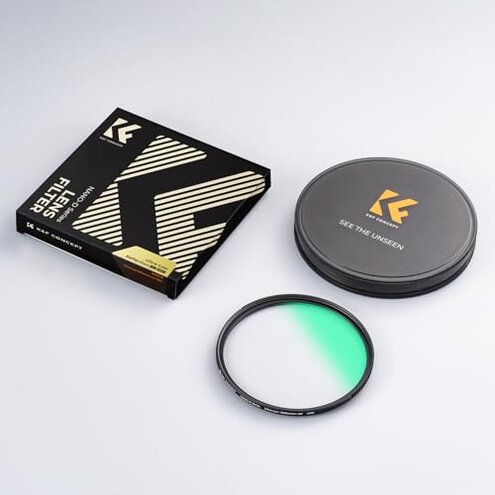
Illustrative: "Glare still appears on sunlit edges even when filter is used." — reflects a primary pattern.
Illustrative: "Filter sat tight and needed wiggling to remove without cross-threading." — reflects a primary pattern.
Illustrative: "After a week of travel the coating showed tiny marks after cleaning." — reflects a secondary pattern.
Illustrative: "Corners darkened on my 16mm until I removed the hood." — reflects an edge-case pattern.
Who should avoid this
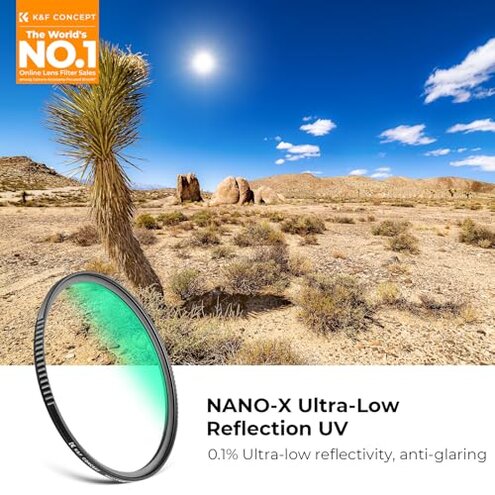
- Landscape photographers: If you need consistent glare control, this product's variability exceeds normal tolerance.
- Event shooters: Fast lens swaps and unpredictable thread fit risk missed shots and slowed workflow.
- Travel shooters: If you rely on low-maintenance coatings, the faster visible wear is a notable downside.
Who this is actually good for
- Casual owners: Buyers who want basic lens protection and can tolerate occasional flare or extra cleaning.
- Budget-minded shooters: Those willing to accept extra handling/assembly steps to save on cost can work around fit quirks.
- Single-lens users: Photographers with a mid-telephoto lens less prone to vignetting may find acceptable performance.
Expectation vs reality
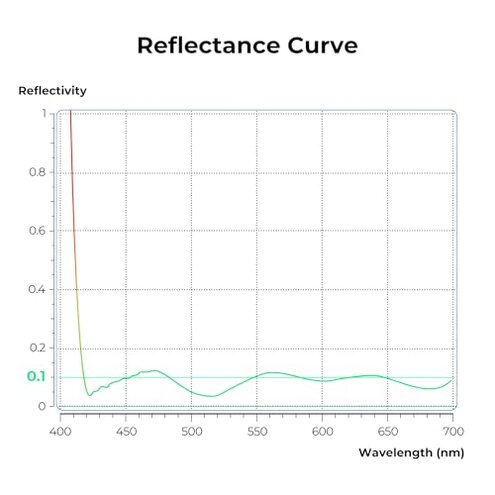
- Expectation (reasonable): A 67mm protection filter should fit standard threads and reduce stray reflection.
- Reality: Fit can be tight or loose and glare reduction performs inconsistently under bright, angled light, with more post-edit work.
- Category contrast: Compared with a typical mid-range filter, this product has a higher combined risk of optical and mechanical issues.
Safer alternatives
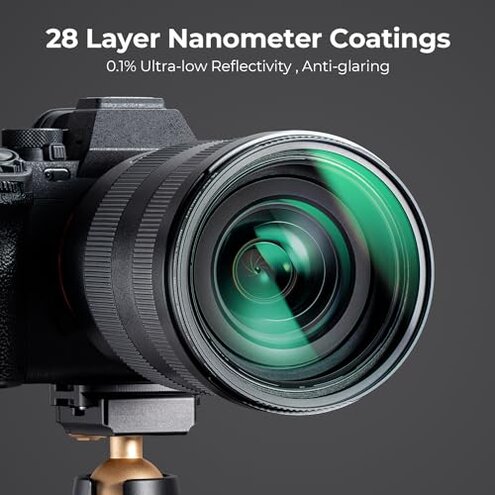
- Check thread tolerance: Prefer filters from sellers who publish exact thread measurements or offer easy returns.
- Choose slim profile: For wide lenses pick a low-profile or slim-mount filter to prevent vignetting without extra parts.
- Prioritize proven coatings: Look for filters with documented scratch and cleaning tests in hands-on reviews to avoid coating wear.
- Test before travel: Mount and test the filter on your widest lens at home to catch fit and flare issues early.
The bottom line
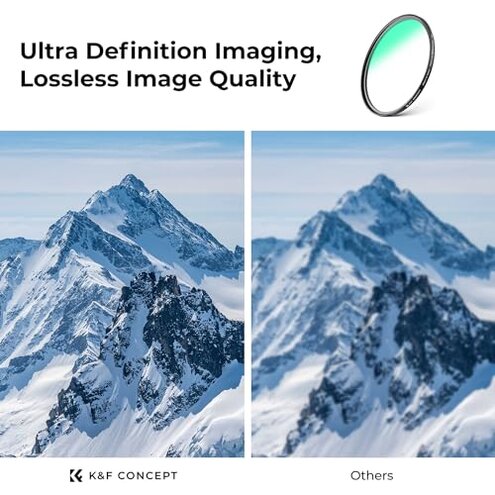
Main regret: The combination of inconsistent glare reduction and fit variability is the primary driver of buyer disappointment.
Why worse: These two issues together create more workflow and post-edit burden than most mid-range filters.
Verdict: Avoid this filter if you require dependable anti-reflective performance and trouble-free mounting; consider alternatives with steadier reviews.
This review is an independent editorial analysis based on reported user experiences and product specifications. NegReview.com does not sell products.