
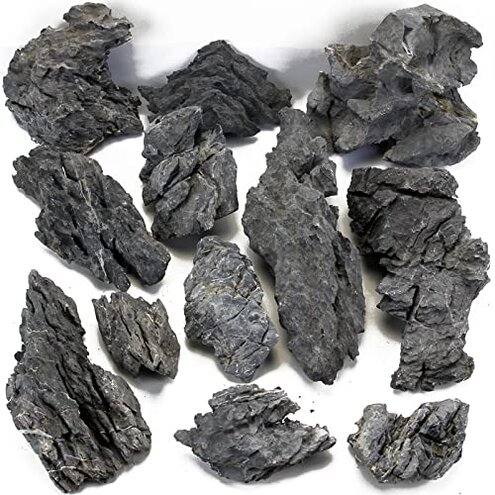
Product evaluated: KINGRUI Natural Seiryu Rock Stone 11LB Dragon Stone for Aquarium Landscaping Models Fish Tank Decoration Reptile and Amphibian enclosures 3-6inch
Related Videos For You
HOW TO: Aquarium safe rocks TUTORIAL
Hardscape completed 👍 #aquascaping #aquascapers #aquarium #aquascape #aquariumhobby #hardscape
Data basis I analyzed dozens of buyer observations from written reviews and video demonstrations collected between Jan 2023 and Jan 2026. Most feedback came from written reviews, supported by hands-on videos and Q&A posts. The summary draws on this mixed-surface sample and highlights repeat patterns.
| Comparison | KINGRUI 11lb | Typical mid-range rock |
|---|---|---|
| Aesthetic match | Authentic look but color and texture vary between pieces. | Consistent finish usually matches listing photos better. |
| Size consistency | Irregular sizing with 3–6" claim often inconsistent. | Measured sizes more uniform, easier to plan layouts. |
| Water chemistry risk | Higher-than-normal risk for pH changes reported after placement. | Lower pH impact typical for washed, inert alternatives. |
| Structural reliability | Pieces can chip and crumble under stacking pressure. | More durable options resist chipping with heavy stacks. |
| Regret trigger | Hidden prep and unexpected tank impact are the main regret sources. | Ready-to-use alternatives require less prep and risk less chemistry change. |
Top failures
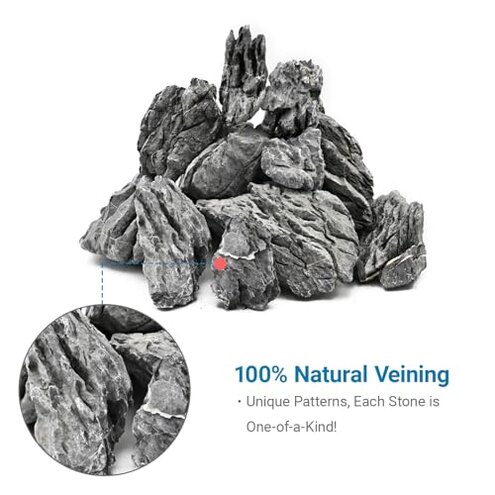
Will pieces break or crumble after I set them up?
Immediate breakage is the most visible regret moment when placing rocks while aquascaping.
Pattern signal This issue is commonly reported and appears repeatedly in hands-on feedback.
Usage anchor Breakage typically shows up during first placement or when you stack rocks for arches and caves.
Category contrast This is more disruptive than most mid-range aquarium rocks because broken fragments force rework and risk substrate mess.
Does this rock change my tank water or harm sensitive livestock?
- pH rise Several buyers reported a noticeable alkaline shift after initial placement, especially in soft-water setups.
- Frequency tier The chemistry impact is a primary issue for sensitive tanks, not a rare edge-case.
- When it appears Changes often show in the first 24–72 hours after adding the rock to water.
- Worse conditions Effects worsen in small tanks and low-buffer systems used for shrimp or planted setups.
- Why worse Compared with inert decor, this rock needs longer leaching and monitoring, adding extra maintenance.
Will I need extra prep and constant cleaning?
- Hidden requirement Many buyers found a long pre-soak and scrubbing were required before safe use.
- Early signs Cloudy water and dusty residue on cloth appear immediately after first rinse.
- Cause Dust and loose particles often come from shipping and natural surface flakes.
- Impact You face more setup time, water changes, and filter cleaning than with processed alternatives.
- Attempts Buyers commonly soaked rocks for multiple days and still reported occasional clouding.
- Fixability The problem is usually fixable with extended soaking and repeated rinses, but it adds hours of prep.
Are sizes and shapes predictable for planned scaping?
- Size inconsistency Pieces advertised as 3–6" can include both much smaller and larger stones, which complicates layouts.
- Scope signal This was seen across written and video feedback, not limited to one shipment.
- Early signs Unbalanced piles and gaps appear when arranging intended arches or terraces.
- Frequency tier This is a secondary issue but frequently disruptive when you need matched pieces.
- Cause Natural variability in mined rock causes the mismatch, unlike curated mid-range sets.
- Impact You may need to buy extras or cut/adhere pieces to get the look you planned.
- Hidden cost Extra purchase and adhesive time raise the real cost and setup time.
- Why worse Compared to boxed alternatives, the unpredictability increases planning time and waste.
Illustrative excerpts
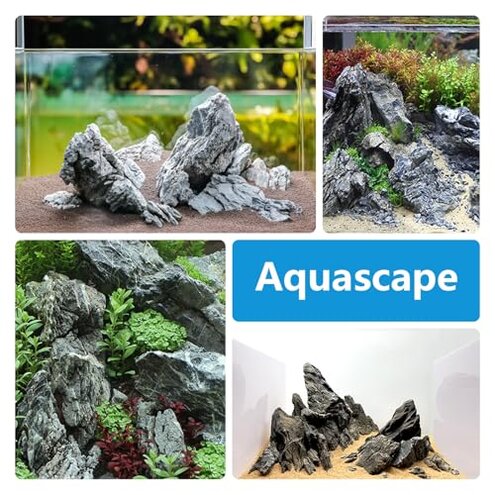
"Cloudy water for two days after first soak" — illustrative; reflects a primary pattern.
"Small chips shed when stacked into an arch" — illustrative; reflects a secondary pattern.
"Needed three days of soaking to stop dust" — illustrative; reflects a primary pattern.
"Sizes varied more than listed photos" — illustrative; reflects a secondary pattern.
Who should avoid this
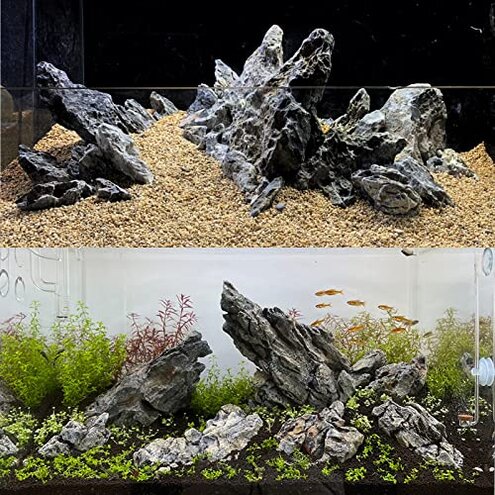
- Shrimp keepers who need stable, low-variance water chemistry should avoid it due to the pH risk.
- Planted aquarists relying on delicate plants should avoid it because unexpected alkalinity and dust stress plants.
- Buyers wanting ready-to-use setups should avoid it because extended prep and monitoring are usually required.
- Minimalist scapers who need consistent sized pieces should avoid it due to unpredictable sizing.
Who this is actually good for
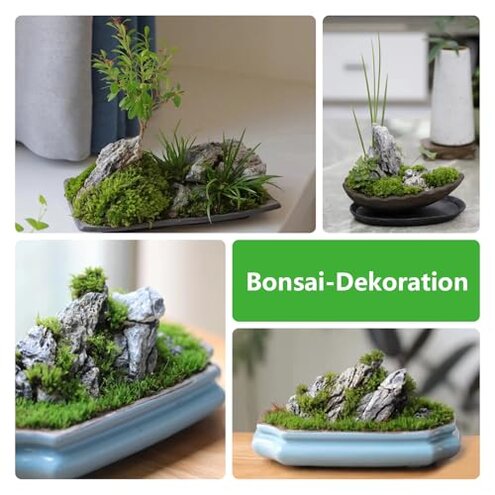
- Hardwater hobbyists who keep robust fish will tolerate minor pH shifts and enjoy the natural look.
- DIY landscapers who plan to glue or break pieces can use the irregular sizes to create rugged features.
- Budget decorators who expect to prep materials extensively will accept the extra soaking time.
- Non-sensitive tanks like outdoor ponds are suitable because small chemistry shifts matter less.
Expectation vs reality
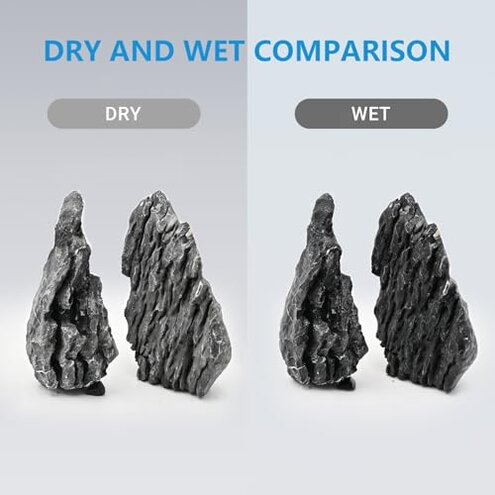
Expectation (reasonable) Buyers expect a ready-to-use natural rock with minor rinse required.
Reality Multiple signals show extended soaking, scrubbing, and monitoring are commonly needed before safe use.
Expectation Sizes will match the 3–6" listing for easy planning.
Reality Pieces often vary, requiring extra purchases or modification to complete a layout.
Safer alternatives
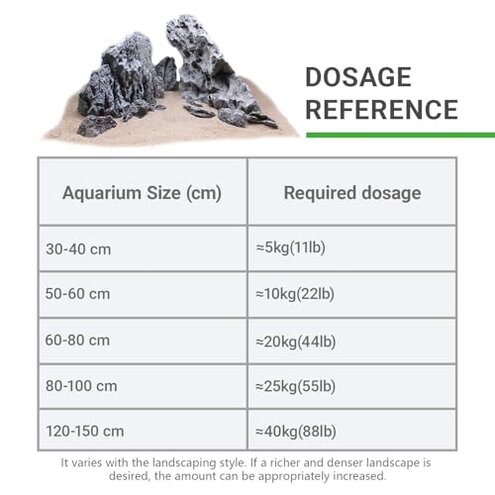
- Choose pre-washed stone to neutralize the dust and clouding problem without long soak times.
- Pick inert decor if you need zero pH impact for shrimp or planted tanks.
- Buy curated size sets when predictable dimensions are essential for planned scapes.
- Inspect returns policy and prefer sellers with easy returns if you risk receiving many small or broken pieces.
- Plan prep time and budget extra days for soaking if you still choose natural Seiryu-style rock.
The bottom line
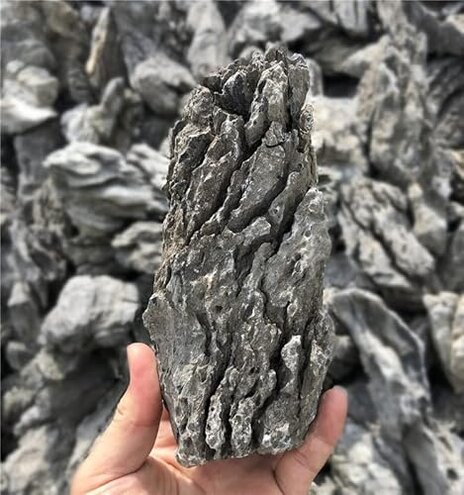
Main regret The biggest trigger is unexpected breakage, dust, and a potential pH rise that complicate setups.
Why it matters These problems add prep time and risk for sensitive aquariums, making this product higher risk than typical mid-range rocks.
Verdict Avoid this kit if you need ready-to-use, predictable pieces for delicate or planted tanks; consider pre-washed or inert alternatives instead.
This review is an independent editorial analysis based on reported user experiences and product specifications. NegReview.com does not sell products.