
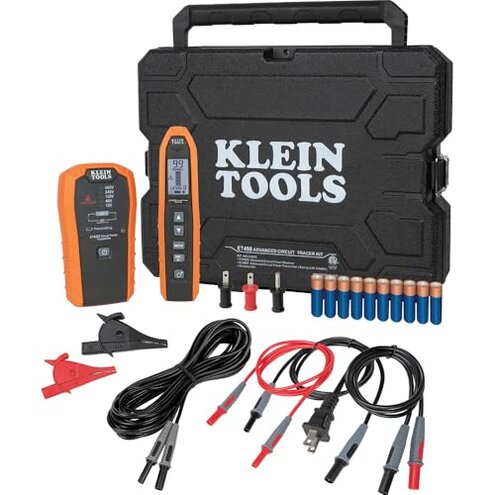
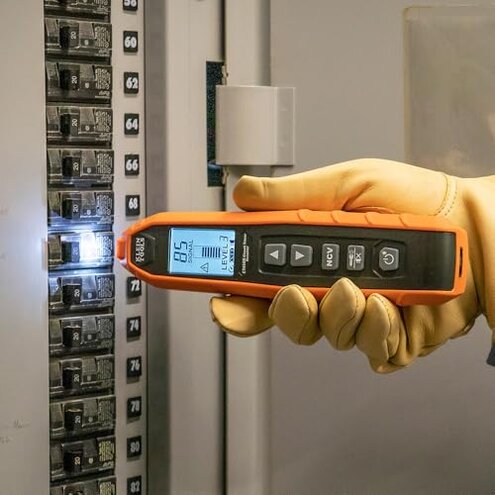
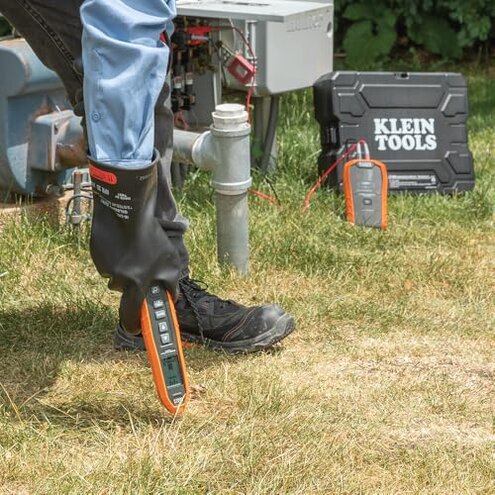
Product evaluated: Klein Tools ET450 Advanced Underground Circuit Breaker Finder and Wire Tracer Kit for Energized and Non-Energized Breakers, Fuses, and Wires
Related Videos For You
Identify Circuit Breakers when Panel is Not Labeled
How to Find Wires | Using a Wire Tracer
Data basis: This report aggregates insights from dozens of buyer reviews and user feedback videos collected from early 2023 through mid-2024, with most input coming from detailed written reviews complemented by practical usage demonstrations.
| Buyer Outcome | Klein Tools ET450 | Typical Mid-Range Circuit Tracer |
|---|---|---|
| Signal Accuracy | Occasional false positives reported, especially through thick walls | Generally more consistent signal detection in similar conditions |
| Ease of Use | Complex sensitivity adjustments add setup time | Often simpler controls, quicker to operate |
| Durability | Fragile components prone to damage during daily use | More robust build materials for regular handling |
| Battery Life | Shorter-lasting batteries requiring frequent replacement | Longer battery life common in mid-range kits |
| Regret Trigger | Frustration from setup complexity and inconsistent readings | Smoother, faster tracing experience |
Why does the sensitivity adjustment cause frustration during use?
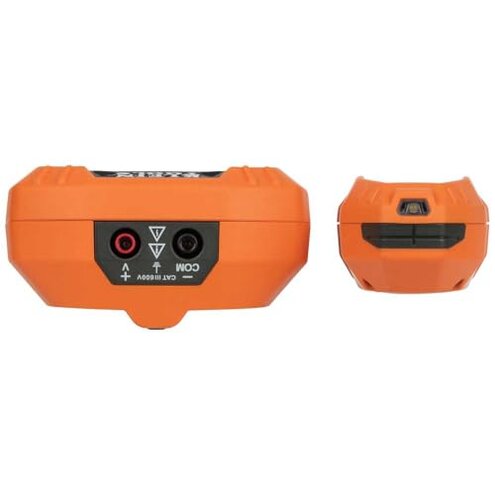
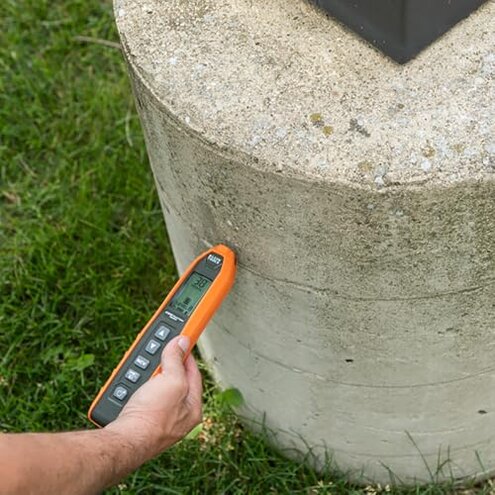
Buyers often face complicated sensitivity controls that slow down wire tracing tasks, especially in varied materials like drywall or cement.
This issue is persistent during initial setup and adjustment phases, requiring multiple attempts to get reliable signals.
Compared to typical mid-range tracers, this product demands extra user effort to tune sensitivity, increasing task time and user frustration.
- Adjustment difficulty: Users report that finding the right sensitivity setting takes multiple tries.
- Frequency of issue: This problem appears commonly in early use rather than an occasional hiccup.
- Impact on accuracy: Misadjustment leads to erroneous signals or missing traced wires.
- Fix attempts: Many try recalibrating repeatedly but with limited success.
- Hidden complexity: The device's manual lacks clear guidance on optimal settings for different environments.
How reliable is the signal detection in thick or underground environments?
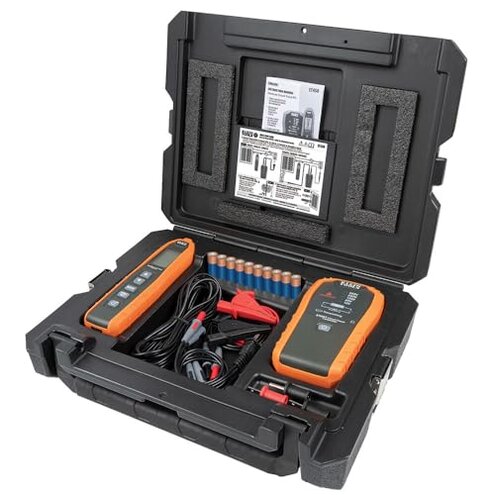
- False positives: Buyers frequently encounter incorrect wire ID when tracing through thick materials or underground.
- Usage context: Issue mainly occurs after setup during actual tracing of buried or insulated wiring.
- Category comparison: Most mid-range tracers offer more stable detection under similar conditions.
- Signal strength feedback: The beep and visual indicators sometimes mislead users into picking wrong wires.
- Impact severity: Leads to repeated tracing attempts and wasted time.
- Mitigation attempts: Users try adjusting sensitivity or repositioning but with limited improvement.
- User dissatisfaction: This is a primary complaint pattern noted across multiple feedback sources.
Does the device hold up well under frequent daily use?
- Durability concerns: Several buyers report fragile buttons and connectors that degrade quickly.
- Timeframe: These issues often emerge within weeks of regular use.
- Category baseline: Mid-range alternatives typically have more robust construction to withstand daily handling.
- Impact on reliability: Fragility leads to device failures requiring repairs or replacements.
- Handling caution: Users must be extra careful, adding inconvenience.
- Warranty claims: Some buyers report difficulties with warranty service for breakage.
- Overall effect: This fragility is a secondary but recurrent issue reducing product longevity.
Are battery replacements frequent and inconvenient?
- Battery life: Users say batteries drain faster than expected during typical tracing sessions.
- Usage context: Battery issues worsen with extended use during long jobs.
- Category norm: Mid-range kits often provide longer battery endurance reducing replacement frequency.
- Cost impact: Frequent replacements increase overall operating expenses.
- User frustration: This is a common complaint diminishing convenience.
- Fix attempts: Some buy rechargeable batteries, adding upfront cost and effort.
- Hidden requirement: Buyers must keep spare batteries ready, which is often unmentioned.
How well do the voltage indicators perform across different levels?
- Indicator reliability: Some users notice the external voltage LEDs can be inaccurate or hard to read.
- Visibility issues: Indicators sometimes fail in bright or low-light settings.
- Category contrast: Comparable products offer clearer and more dependable voltage feedback.
- Impact severity: Imprecise voltage readings can lead to unsafe assumptions during tracing.
- Frequency: This is an edge-case issue but serious when it occurs.
Illustrative buyer excerpts
- "The sensitivity dial took me 10 minutes to finally get a signal." (Primary pattern - persistent setup difficulty)
- "Signals sometimes beep where no wires exist, very confusing." (Primary pattern - frequent false positives)
- "Buttons started sticking after a month of daily use." (Secondary pattern - durability concern)
- "Had to swap batteries twice during a two-hour job." (Primary pattern - battery life frustration)
- "Voltage lights barely visible in daylight, risky for me." (Edge-case pattern - indicator visibility)
Who should avoid this
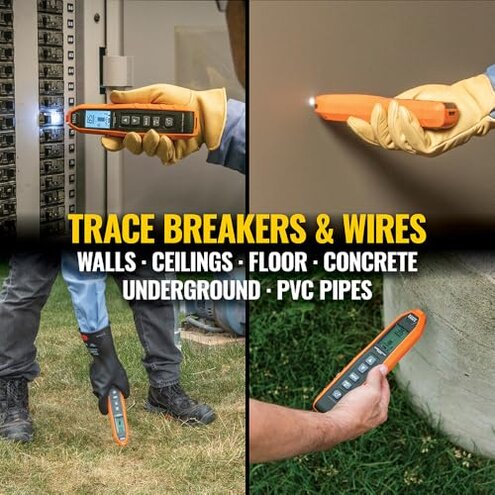
- Buyers needing quick, hassle-free sensitivity setup will find this product frustrating.
- Users working frequently in thick walls or underground wiring who require consistent signals should look elsewhere.
- Those expecting durable gear for daily tough handling may experience premature wear.
- Workers who dislike regular battery replacements or lack time for spares should avoid this.
- Individuals relying on highly visible, reliable voltage indicators for safety should consider alternatives.
Who this is actually good for
- Users willing to invest time adjusting sensitivity to save cost in a quality brand.
- Occasional users needing versatile tracing in varied environments who accept some learning curve.
- Those with careful handling habits to avoid durability issues.
- Buyers who carry extra batteries and don't mind replacements during long tasks.
- Users prioritizing multi-function kits with flashlight and NCV features over perfect accuracy.
Expectation vs reality
Expectation: Buyers expect a fast, intuitive setup with reliable tracing signals.
Reality: The sensitivity adjustment process is more complex and time-consuming than typical mid-range products.
Expectation: Durable build for frequent professional use is typical for the category.
Reality: This product shows fragility and component wear sooner than expected.
Expectation: Battery life lasting entire work sessions is reasonable.
Reality: Frequent battery replacements are needed, adding inconvenience.
Safer alternatives
- Choose kits with simpler, auto-adjusting sensitivity to avoid setup delays.
- Look for models with proven accuracy through thick materials validated by users.
- Select devices with rugged design and reinforced components for durability.
- Prioritize circuit tracers featuring long-lasting, rechargeable batteries or robust power management.
- Opt for tools with bright, clear voltage indicators suitable for varied lighting.
The bottom line
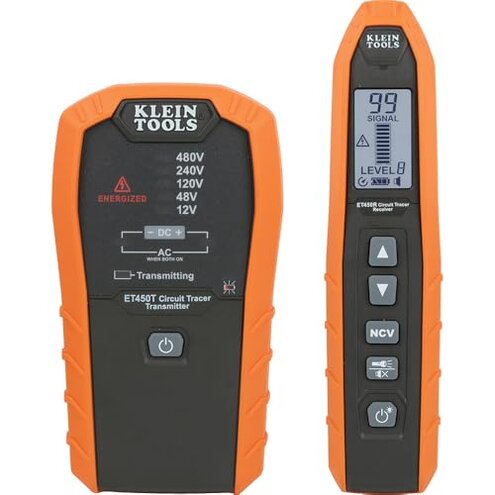
The primary regret for Klein Tools ET450 buyers is the complex sensitivity adjustment and inconsistent signal reliability, which create setup frustration and tracing errors.
This exceeds normal risks for mid-range tracers, compounded by fragility and short battery life.
Buyers seeking dependable, user-friendly tracing tools should consider more forgiving alternatives.
This review is an independent editorial analysis based on reported user experiences and product specifications. NegReview.com does not sell products.