
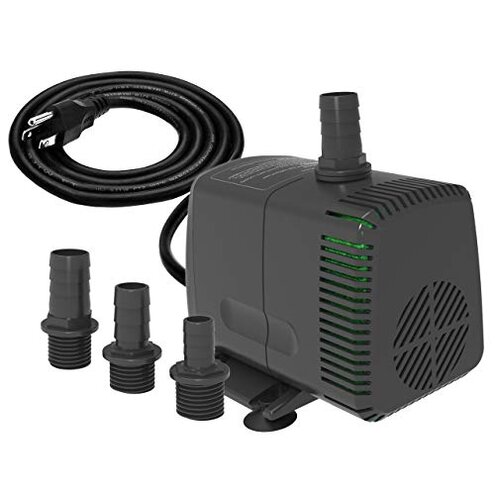
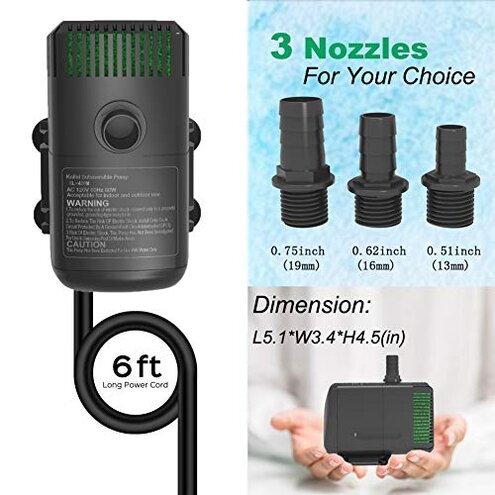
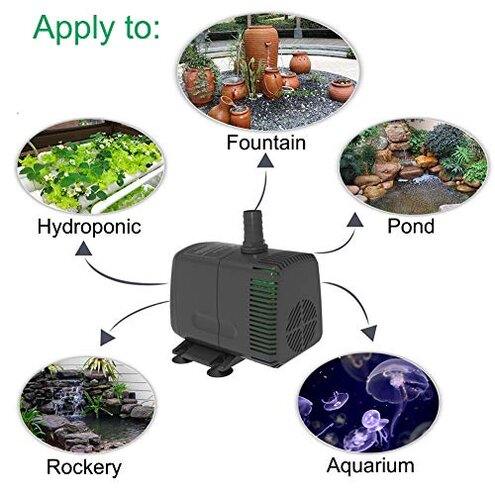
Product evaluated: Knifel Submersible Pump 880GPH (3500L/H 60W) Ultra Quiet with Over Heating Protection 10.2ft High Lift for Fountains, Hydroponics, Ponds, Aquariums & More…
Related Videos For You
How to install a Submersible Pump
How to fix an aquarium pump that has stopped working
Data basis: This report is based on dozens of written reviews and several video demonstrations collected between 2020 and 2024.
Source mix: Most feedback came from written product reviews, supported by a smaller set of demonstration videos and Q&A entries.
| Outcome | Knifel 880GPH (this product) | Typical mid-range pump |
|---|---|---|
| Reliability | Higher failure risk — several users report stoppages after short use, making reliability worse than typical. | Expected lifespan — most mid-range pumps run months to years before failure under similar use. |
| Noise & vibration | Often noisy — vibration and hum reported more frequently than buyers expect for an "ultra-quiet" model. | Quieter baseline — comparable pumps are quieter out of the box for aquarium or fountain use. |
| Overheat protection | Thermal cutoffs — unit can shut off under long runs, reported as disruptive for continuous use. | Better endurance — many mid-range pumps tolerate longer continuous duty before thermal limits appear. |
| Maintenance | Extra upkeep — users report blockages and a need for frequent cleaning versus category norms. | Lower upkeep — comparable alternatives need less frequent cleaning and easy service access. |
| Regret trigger | Premature stoppage — the most common buyer regret is unexpected shutdowns during normal use. | Less disruptive — mid-range pumps more often fail gradually or give warning signs first. |
Why does the pump suddenly stop working during normal use?
Regret moment: Many buyers describe the unit running fine during setup and then stopping after hours or days.
Pattern: This is a primary issue that appears repeatedly across feedback and is not universal but common.
Usage anchor: Stops usually occur after setup or during continuous operation like overnight aquarium circulation.
Category contrast: This feels worse than typical mid-range pumps because those usually show gradual decline or warning noise, not abrupt shutdown.
Is the noise and vibration worse than expected?
- Early signs: Owners report a faint hum that progresses to loud vibration after short use.
- Frequency tier: Noise issues are a secondary problem appearing across many recent buyers' reports.
- Cause: Complaints point to rotor imbalance or poor mounting that increases vibration under load.
- Impact: The sound is disruptive for indoor aquariums or quiet fountain spots, more so than expected.
- Attempts: Users tried repositioning and extra padding, which sometimes reduces noise but not reliably.
Will it overheat or cut out during long runs?
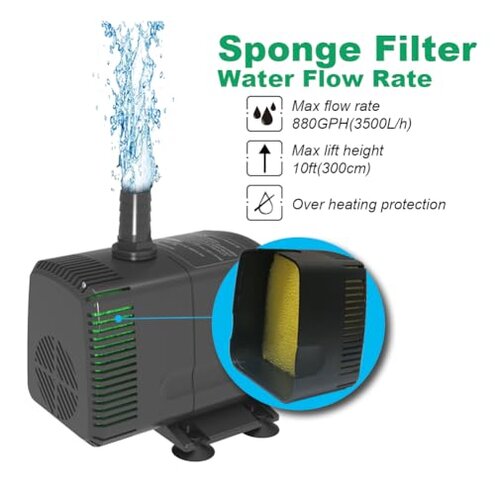
- Typical report: Unit enters a thermal shutdown after prolonged operation, especially under high head or partial blockage.
- Context anchor: Overheat usually appears during long sessions like pond circulation or fountain shows.
- Pattern statement: This is a secondary issue that appears repeatedly in feedback for users running the pump continuously.
- Why worse: Many mid-range pumps can sustain longer continuous duty before thermal protection kicks in.
- Hidden requirement: Buyers often need to add an external flow control or extra cooling to avoid shutdowns.
- Fixability: Resets sometimes restore operation, but repeated resets are a recurring maintenance burden.
- Impact on use: Thermal cutouts interrupt filtration and aeration, which is critical for aquariums and live stock.
Are there flow inconsistencies, leaks, or mounting problems?
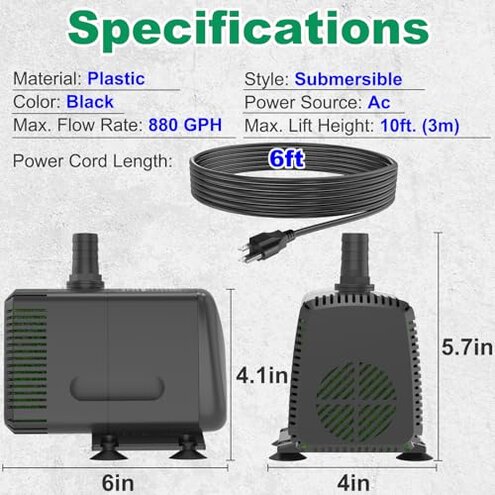
- Mounting failure: Suction cups can fail, causing the pump to shift and reduce performance.
- Flow drop: Users report sudden flow reductions after partial blockages in the included sponge filter.
- Frequency tier: These issues are a common complaint across many buyers, not isolated.
- Cause: Poor seal and small debris can easily clog the intake and degrade flow.
- Hidden requirement: Successful long-term use often needs extra filtration or pre-cleaning of water to prevent blockage.
- Attempts: Some buyers add external clamps or adhesives to secure mounting, which adds time and effort.
- Category contrast: Comparable pumps usually have more robust mounting options and larger intakes, reducing clog risk.
- Impact: Unplanned maintenance interrupts aquarium life support and fountain performance.
Illustrative excerpts
"Pump ran fine, then stopped overnight with no warning." — primary pattern.
"Loud hum after a few hours despite claims of being quiet." — secondary pattern.
"Suction cups gave up; had to glue it down to stop shifting." — secondary pattern.
Who should avoid this
- Continuous users: Avoid if you need reliable 24/7 operation for aquariums or livestock tanks.
- Noise-sensitive buyers: Avoid if you want a quiet indoor fountain or bedroom placement.
- Low-maintenance buyers: Avoid if you cannot perform frequent cleaning or resets.
- Non-handy users: Avoid if you dislike adding extra mounting fixes or external filters.
Who this is actually good for
- Budget hobbyists: Good if you accept short-term use and plan to replace cheaply every season.
- Outdoor fountain users: Good if you tolerate intermittent maintenance and occasional downtime.
- Workshop testers: Good for people who can perform mods and fixes like added mounts or external filters.
- Temporary setups: Good when you need a short-term pump for staging or brief events.
Expectation vs reality
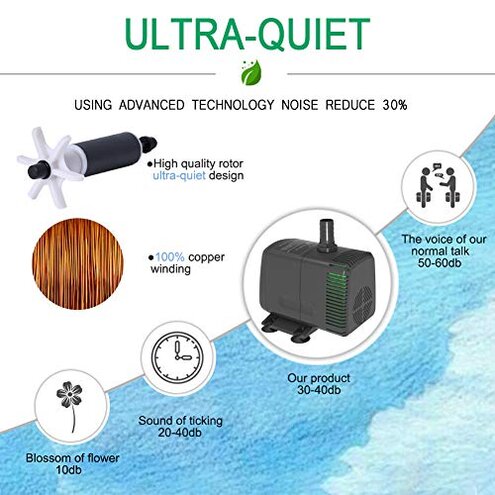
Expectation: Reasonable for this category is a pump that runs quietly and continuously for weeks.
Reality: This unit often produces noticeable noise and can cut out under continuous load.
Expectation: Reasonable baseline is easy maintenance and secure mounting.
Reality: You may need extra mounts and frequent cleaning to maintain flow.
Safer alternatives
- Choose durable models: Pick pumps with a reputation for long-term reliability to avoid premature stoppage.
- Prefer low-vibration designs: Look for products with anti-vibration mounts or metal housings to reduce noise.
- Buy higher-duty pumps: For continuous runs, choose pumps rated for continuous duty instead of intermittent duty.
- Add pre-filtration: Use an external filter or pre-screen to prevent intake blockage and flow drop.
- Check service access: Favor pumps with easy-to-open housings for cleaning without tools.
The bottom line
Main regret: The most common complaint is premature shutdown during normal use, which interrupts aquariums or displays.
Why worse: That failure is more disruptive than typical mid-range pumps because it is abrupt and requires manual resets or replacement.
Verdict: Avoid this unit if you need reliable, quiet continuous operation unless you are prepared to accept frequent maintenance and fixes.
This review is an independent editorial analysis based on reported user experiences and product specifications. NegReview.com does not sell products.