
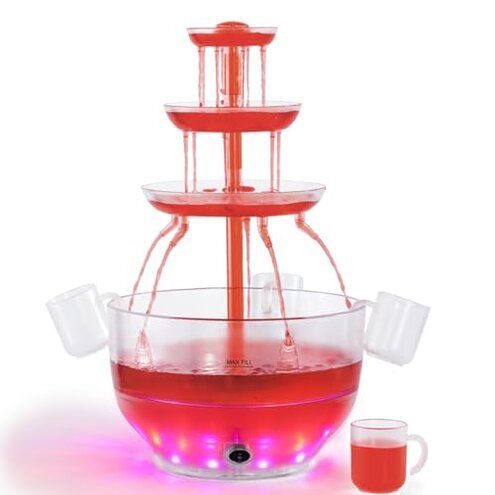
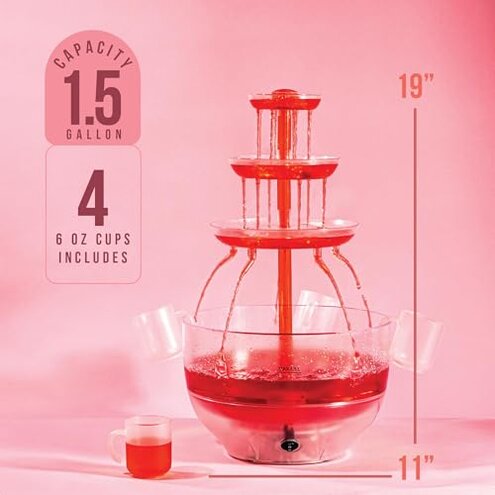
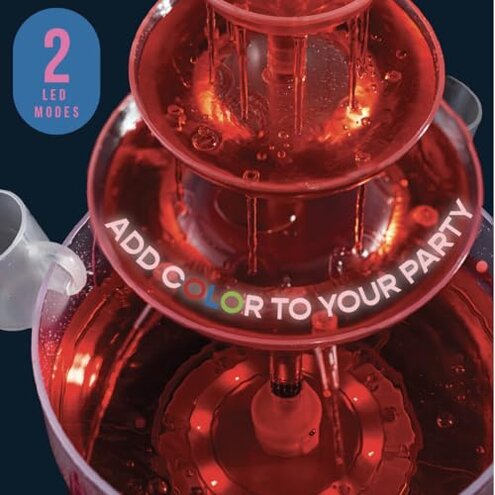
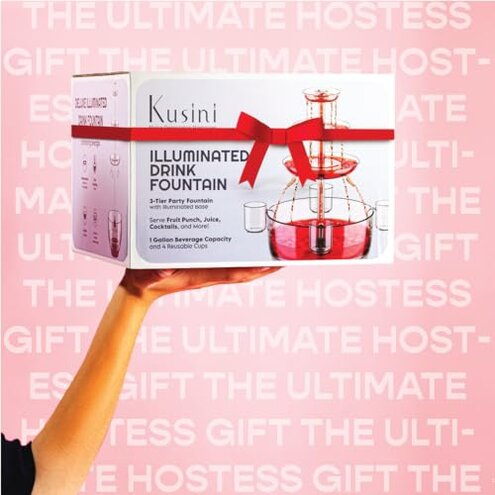
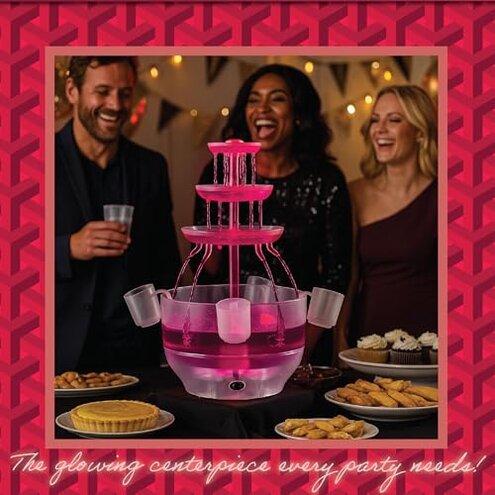
Product evaluated: Kusini Drink Fountain for Parties - 1.5 Gal, 3 Tier Punch Bowl Drink Tower, LED Base, 4 Reusable Cups - Drink Dispenser Machine for, Juice, Punch, Pani Puri Fountain for Party Hosting Supplies
Related Videos For You
Home Soda Fountain
How To Clean Your Water Dispenser | Water Cooler (2022)
Data basis: This decision report reflects analysis of dozens of aggregated buyer signals collected from written feedback and star-rating patterns, supported by a smaller share of photo and short video demonstrations. The collection window spans the last 12 months, with most detail coming from longer written notes rather than media posts. Signals were prioritized when they appeared repeatedly across different buyer contexts, not as one-off experiences.
| Buyer outcome | Kusini 1.5 gal drink fountain | Typical mid-range drink dispenser |
|---|---|---|
| Table mess risk | Higher risk of drips during use and after shutoff. | Lower risk if it uses a simple spigot with fewer seals. |
| Flow reliability | More variable flow when drinks have pulp or bits. | More stable flow for most party drinks. |
| Cleanup effort | More steps due to tiers and internal paths. | Fewer parts and faster rinse-and-dry. |
| Setup forgiveness | Less forgiving if alignment is slightly off. | More forgiving with simpler assembly. |
| Regret trigger | “It looked great, then it leaked or stopped flowing.” | “It’s plain, but it reliably dispenses.” |
Top failures
Why is there a puddle on the table after it runs?
Regret moment shows up mid-party when the base area gets wet and you start hunting for towels. It’s among the most disruptive complaints because it turns a “set it out and serve” item into constant monitoring.
Pattern signal: This leak-and-drip theme appears repeatedly, though it’s not universal. It most often appears after setup and worsens during long sessions when the fountain runs repeatedly.
Category contrast: Some dripping is normal for multi-tier dispensers, but buyers flag this as more cleanup than typical mid-range alternatives. The frustration is higher because leaks happen at the base, where they spread fast.
- Early sign: You notice small drips near the bottom before a bigger mess starts.
- Primary issue: Leaks appear repeatedly during active pouring, not just at the end.
- After shutoff: Some buyers describe continued dripping even when the fun part is “done.”
- Worse conditions: Longer run time and frequent refills make the mess more likely.
- Mitigation: A tray, towels, and careful re-seating can reduce mess, but add extra steps.
Why did the flow slow down or stop once guests started serving?
- Recurring pattern: Flow problems show up often enough to be a primary regret point for party use.
- Usage moment: It typically happens during serving, when the drink level drops and you want steady flow.
- Worse with bits: Drinks with pulp, seeds, or mix-ins make slow flow more likely.
- Hidden requirement: You may need to strain beverages and avoid thicker mixes to keep it moving.
- Category contrast: Compared with a spigot dispenser, this feels less tolerant of normal party drink variety.
- Impact: Guests wait, you stir or reset, and the “wow” factor turns into babysitting.
- Fixability: Clearing and re-assembling can help, but it interrupts hosting and adds time pressure.
Is it actually easy to clean, or is that wishful thinking?
- Secondary issue: Cleanup burden is a persistent theme, especially after sweet drinks dry.
- When it hits: The pain shows up after the party when you want a quick rinse.
- More parts: Removable tiers help, but buyers still report more steps than expected.
- Tricky areas: Internal paths can hold residue, which creates a sticky second cleanup later.
- Category contrast: Mid-range countertop dispensers often rinse quickly, while this can require extra disassembly.
- Mitigation: Cleaning immediately and running plain water through can reduce buildup, but demands fast turnaround.
- Regret driver: The effort feels disproportionate if you only wanted a fun one-night centerpiece.
Did I assemble it wrong, or is it just finicky?
- Secondary pattern: Setup sensitivity appears repeatedly, even among buyers who follow instructions.
- When it shows: Problems surface right after assembly, when the tiers don’t behave as expected.
- Alignment: Small mis-seating can lead to drips or uneven flow that looks like a defect.
- Extra checking: Buyers describe needing to re-seat parts and test with water, adding pre-party work.
- Category contrast: A basic drink dispenser is usually “fill and go,” while this can be less plug-and-play.
- Workaround: Doing a full test run early helps, but it demands time planning.
- Why it matters: Finicky setup turns a fun prop into a last-minute stress point.
- Not universal: Some users report smooth setup, but the risk is higher than many expect.
Illustrative excerpts (not real quotes)
- “Looked amazing, but we kept wiping the table every ten minutes.” Explanation: This matches a primary leak-and-drip pattern.
- “It slowed down once the juice had pulp in it.” Explanation: This reflects a primary flow tolerance pattern.
- “Cleaning took longer than the party did.” Explanation: This aligns with a secondary cleanup-burden pattern.
- “Had to assemble it twice to get it to run right.” Explanation: This reflects a secondary setup-sensitivity pattern.
- “We had to strain the drink or it wouldn’t circulate.” Explanation: This is a secondary hidden-requirement pattern.
Who should avoid this
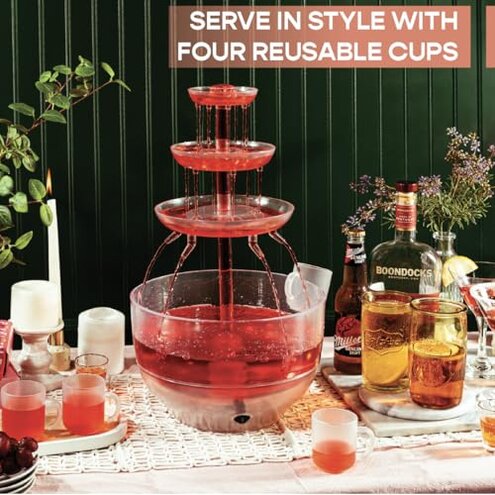
Mess-averse hosts should skip it if a table drip would ruin your setup. Leak risk appears repeatedly and shows up during serving, not just cleanup.
One-and-done buyers should avoid it if you want a simple punch service with near-zero learning. Setup and flow can be less forgiving than typical mid-range dispensers.
Pulp-heavy drink planners should pass if your menu includes bits, seeds, or thicker mixes. Flow sensitivity is a primary complaint and worsens mid-event.
Late-night cleaners should avoid if you won’t wash it right away. Cleanup effort is a persistent regret point when residue dries.
Who this is actually good for
- Decoration-first parties where you accept monitoring for the visual effect and can tolerate extra wiping.
- Simple drinks only like strained juice or thin punch, where you’re willing to tolerate the flow limits.
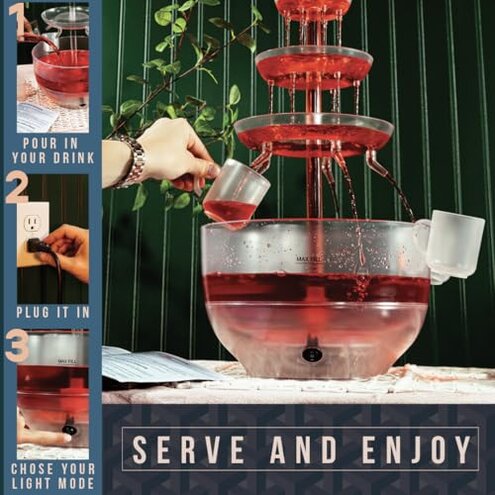
- Hosts who test-run the day before and don’t mind re-seating parts to avoid setup surprises.
- Small gatherings where short run time reduces leak and clog risk during long sessions.
Expectation vs reality
| Expectation | Reality buyers report |
|---|---|
| Reasonable for this category: minor drips you can ignore. | More disruptive dripping that can require towels and a tray during active use. |
| Party-ready flow once assembled. | Flow swings that show up during serving, especially with pulp or mix-ins. |
| Quick cleanup because tiers remove. | Extra steps and more attention to residue than many mid-range dispensers. |
Safer alternatives
- Choose a spigot beverage dispenser to reduce the repeated leak pathways seen with multi-tier circulation.
- Pick wide-flow designs if you serve pulp or fruit bits, which directly addresses the slowdown pattern.
- Prioritize fewer parts if you hate cleanup, since this neutralizes the extra steps that show up after use.
- Look for drip trays or a sealed base design to lower the table mess regret trigger.
- Test-run friendly options with simpler assembly reduce the finicky setup risk before events.
The bottom line
Main regret trigger: A great-looking fountain that can leak or lose flow at the exact moment guests start serving. That risk is higher than normal for mid-range drink service because it creates real-time hosting work.
Verdict: Avoid this if you need reliable, low-mess dispensing for a busy event. Consider it only if you can accept hands-on monitoring and are willing to strain drinks and clean quickly.
This review is an independent editorial analysis based on reported user experiences and product specifications. NegReview.com does not sell products.