
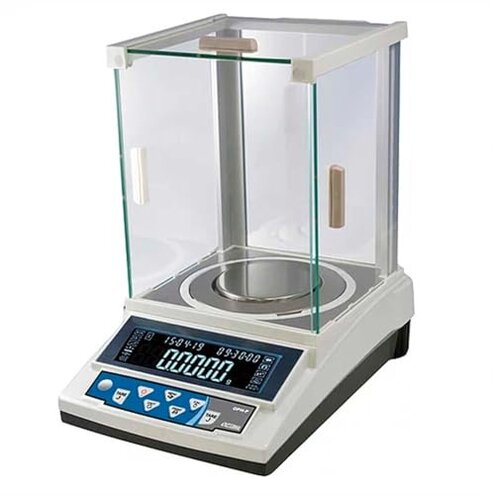
Product evaluated: LICHEN Lab Scale 100gram x 0.001g High Precision Analytical Balance with Windshield Digital Display Jewelry Balance(100g,1mg)
Related Videos For You
How to Use an Analytical Balance
TESTED: Cheapest Precision Scale on Amazon, Good or Bad?
Data basis for this report comes from dozens of buyer comments collected from written feedback and short video-style demonstrations between late 2024 and early 2026. Most feedback came from written impressions, with added context from hands-on setup clips and return-oriented comments, which helps show both first-use problems and daily-use frustration.
| Buyer outcome | LICHEN scale | Typical mid-range alternative |
|---|---|---|
| Reading stability | Higher risk of drifting numbers during setup and light room airflow | Usually steadier once leveled on a solid surface |
| Setup effort | More fussy because careful leveling and shielding matter more | Moderate effort with less trial and error |
| Everyday ease | Less forgiving for quick weighing tasks | Better suited to repeated routine use |
| Trust in results | More variable if the room, table, or handling is imperfect | More consistent under normal home or bench conditions |
| Regret trigger | Buying it for easy precision and then needing extra care every session | Usually acceptable for buyers expecting straightforward use |
Why are the numbers changing when you barely touched anything?
This is the primary issue and among the most common complaints for this type of low-cost precision scale. The regret moment happens after setup, when the display looks precise but the reading moves more than expected during normal use.
The pattern appears repeatedly in feedback about light drafts, table vibration, and tiny handling differences affecting the result. That is category-expected to a point, but more disruptive here because buyers are promised very fine resolution without the same level of environmental control.
- Early sign: the display settles, then shifts again while the item is still sitting on the pan.
- When it shows up: it tends to appear during first use and keeps mattering in daily weighing sessions.
- Worse conditions: it gets more annoying near fans, vents, movement, or lighter tables.
- Why it feels worse: a typical mid-range balance is still sensitive, but usually not this demanding for ordinary rooms.
- Buyer impact: it adds repeat weighs, second-guessing, and extra time before trusting a number.
Illustrative excerpt: “I bought precision, but I keep waiting for the number to stop moving.” Primary pattern tied to reading stability.
Do you need a near-perfect setup just to get usable results?
- Pattern strength: this is a primary issue, slightly less talked about than drifting, but closely connected to it.
- Hidden requirement: buyers often discover after unboxing that careful leveling is not optional if they want believable results.
- Daily reality: the adjustable feet and level bubble help, but they also create extra setup steps before each serious weighing session.
- Worsens when: the scale sits on soft desks, uneven counters, or surfaces shared with nearby movement.
- Comparison point: all fine-resolution scales need care, yet this one seems less forgiving than typical mid-range options in ordinary home use.
- Effort cost: users expecting quick kitchen-style convenience may find the routine surprisingly slow and picky.
- Fixability: the problem is partly manageable with a rigid table and calmer room, but that adds a workspace requirement many buyers did not expect.
Illustrative excerpt: “It works better only after I level everything and clear the whole desk.” Primary pattern tied to setup burden.
Is the windshield more of a partial workaround than a real solution?
This is a secondary issue, but more frustrating when it occurs because it creates false confidence. Buyers see a windshield and expect easier precision, yet the relief often feels limited during normal use.
The complaint is persistent across comments that mention ordinary room conditions still affecting readings. Compared with a typical mid-range alternative, that makes the protection feel less effective than expected, not useless but not enough to remove the fuss.
- Buyer expectation: the shield suggests the scale should cope better with common indoor airflow.
- What happens: minor air movement can still matter, especially with very small amounts.
- Usage moment: this shows up during careful measuring, not casual rough weighing.
- Real impact: users may keep repositioning the shield or repeating measurements instead of finishing quickly.
Illustrative excerpt: “The cover helps some, but it still feels too sensitive for my room.” Secondary pattern tied to airflow control.
Does the low price stop feeling like a deal once you start using it?
- Frequency tier: this is a secondary issue that grows after the first few sessions.
- Regret moment: buyers save money upfront, then realize the trade-off is extra checking and more careful technique.
- When it hits: it becomes obvious during repeated weighing jobs, especially if consistency matters more than one-off checks.
- Why stronger than normal: budget precision tools often ask for patience, but this one can demand more upkeep than expected for the price class.
- Common response: some buyers limit it to occasional hobby use instead of relying on it regularly.
- Who notices fastest: anyone moving from a steadier mid-range balance will likely feel the downgrade immediately.
Illustrative excerpt: “Cheap to buy, but not cheap on time once you start rechecking.” Secondary pattern tied to value frustration.
Illustrative excerpt: “Good enough for rough checks, not calming when the number really matters.” Edge-case pattern tied to stricter use cases.
Who should avoid this
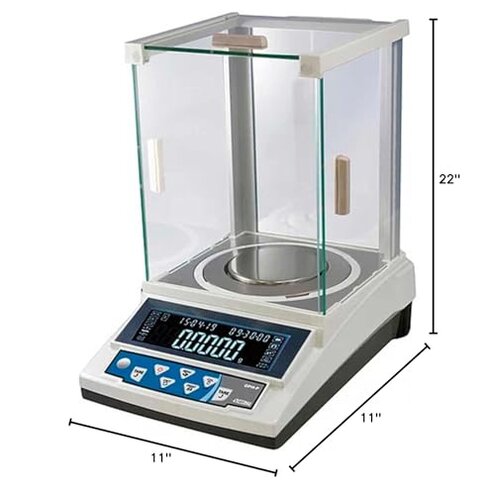
- Avoid it if you need dependable readings in a normal busy room, because stability complaints appear repeatedly during everyday use.
- Avoid it if you want quick results without careful leveling, since setup fuss is higher than many buyers expect for this category.
- Avoid it if your measurements matter enough that rechecking wastes time, because trust in the display is the main regret trigger.
- Avoid it if you assumed the windshield would solve room sensitivity by itself, because that workaround appears limited in common use.
Who this is actually good for
- It fits buyers doing occasional hobby checks who can tolerate repeat measurements in exchange for a lower upfront price.
- It fits users with a stable bench and quiet room, because that setup can reduce the main reading-drift complaint.
- It fits people who already expect precision scales to be fussy and are willing to level carefully each time.
- It fits shoppers using it as a secondary backup tool rather than their main trusted balance.
Expectation vs reality
Expectation: a 0.001g display should feel precise and reassuring in ordinary indoor use.
Reality: reading drift appears often enough that the displayed precision can feel more impressive than practical.
Expectation: the windshield should make setup easier for beginners.
Reality: airflow control improves somewhat, but careful placement and leveling still matter a lot.
Expectation: it is reasonable for this category to need some care.
Reality: this model seems worse than expected because the effort shows up more often in normal rooms, not just demanding lab-like conditions.
Expectation: a budget-friendly precision scale should at least be convenient for frequent small jobs.
Reality: time cost can erase that value if you keep reweighing to confirm the result.
Safer alternatives
- Choose a model with stronger buyer feedback on reading stability, which directly reduces the main drift complaint.
- Look for scales described as forgiving in ordinary rooms, because this neutralizes the hidden requirement for near-perfect setup.
- Prefer a unit with a better reputation for repeatability over headline resolution, since trust matters more than tiny displayed increments.
- Buy for your environment by matching the scale to a rigid bench or low-airflow space if you truly need fine measurements.
- Step up slightly in price if you plan daily use, because mid-range alternatives are often less fussy than low-cost precision claims suggest.
The bottom line
The main regret trigger is simple: the display promises easy precision, but daily use often demands more setup, more control, and more rechecking than buyers expect. That exceeds normal category risk because sensitivity is not just present, it appears harder to manage in ordinary conditions than with a typical mid-range alternative. If you want straightforward confidence, this is a product to skip unless you already have a calm workspace and patience for a finicky routine.
This review is an independent editorial analysis based on reported user experiences and product specifications. NegReview.com does not sell products.