
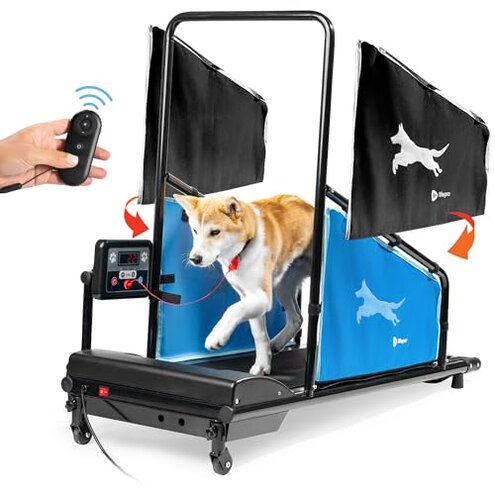
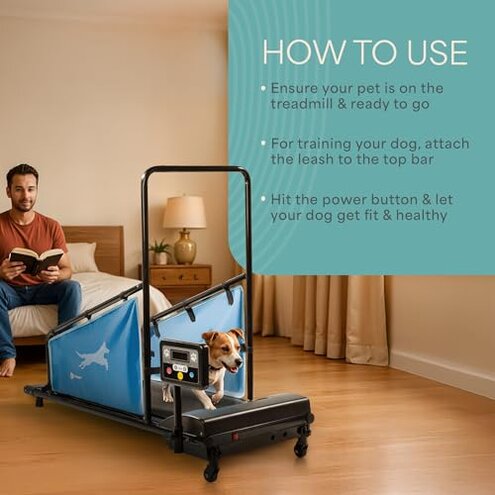
Product evaluated: Lifepro PawRunner Dog Treadmill for Small & Medium Dogs, Pet Treadmill for Dogs up to 130lbs, Indoor Running Machine for Fitness, Compact & Durable Pacer Treadmill for Health and Exercise
Related Videos For You
How to Exercise Your Dog Indoors (Using a Treadmill!)
Treadmill Troubleshooting: How To Fix A Noisy Treadmill
Data basis Dozens of buyer reviews and several video demonstrations were analyzed between Nov 2021–Feb 2026, with most feedback from written reviews and supported by videos and Q&A posts.
| Comparison | Lifepro PawRunner | Typical mid-range treadmill |
|---|---|---|
| Noise level | Higher than expected — commonly reported loud motor and vibrations during use. | Quieter — most mid-range models advertise low-decibel motors for indoor use. |
| Durability | Mixed lifespan — persistent motor and belt issues reported after weeks or months. | More reliable — mid-range units typically show fewer early mechanical failures. |
| Setup & space | Hidden needs — often needs extra tools, room, and two people to assemble and position. | Streamlined — many alternatives have clearer instructions and smaller footprints. |
| Safety / Regret trigger | Higher risk — safety key and stop exist but reports show belt slippage and unexpected stops. | Lower risk — competitors show steadier belts and predictable emergency behavior. |
Top failures

Why is it so loud or shaky?
Regret moment Buyers discover loud motor vibration during the first runs, which scares pets and disturbs indoor use.
Pattern This is a commonly reported issue and usually appears during first use or within the initial weeks of daily sessions.
Category contrast Noise and vibration are more disruptive than expected for a mid-range pet treadmill because indoor comfort is a core category expectation.
Is assembly harder than advertised?
- Early signs Instructions lack step clarity, so buyers report extra time and guesswork during setup.
- When it shows Issues appear at first assembly and worsen if you attempt single-person installation.
- Frequency tier This is a secondary issue that appears repeatedly across written reviews and videos.
- Cause Ambiguous fastener locations and alignment steps cause rework and delay.
- Impact Expect added setup time, possible frustration, and need for a helper.
Will it last under regular use?
- Primary failure Motor and belt wear are commonly reported after repeated daily runs.
- Usage anchor Problems often appear after weeks to months of frequent sessions or longer runs.
- Why worse This feels worse than normal because mid-range alternatives usually offer steadier belts without early motor noise.
- Hidden requirement Buyers may need to budget for replacements or repairs sooner than expected.
- Attempted fixes Users report temporary fixes like belt re-tensioning or motor rest, which only sometimes help.
- Repairability Replacement parts or clear service steps appear less accessible than buyers expect.
Does the treadmill suit large dogs as advertised?
- Expectation mismatch Product messaging lists high weight capacity but many buyers find it better for small-to-medium dogs.
- Context The issue appears once a heavier dog runs sustained or high-speed sessions.
- Severity This is a primary complaint because it affects safety and longevity under heavier loads.
- Hidden friction Users discover that durable use for heavier dogs requires extra reinforcement and monitoring.
- Attempts Owners reduce speed and session time to compensate, which limits usefulness.
- Category contrast Less forgiving than typical mid-range options that clearly match weight to treadmill size.
- Fixability Mitigations include strict session limits and frequent inspections, adding ongoing effort.
Illustrative excerpts (not real quotes)
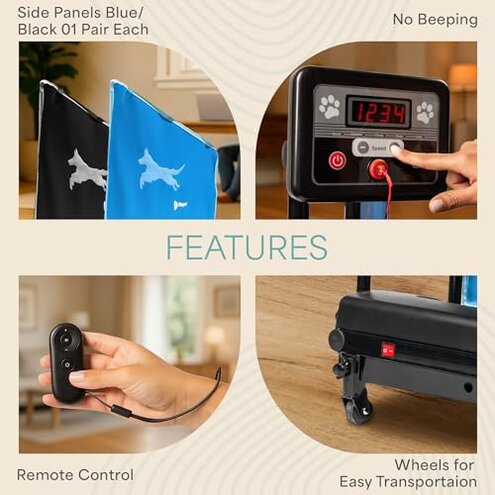
"Motor sounded like a vacuum; dog refused to step on it." — Primary pattern
"Assembly took two hours and an extra pair of hands." — Secondary pattern
"Worked fine for weeks, then belt started slipping on long runs." — Primary pattern
"Says 130 lbs but my larger dog stressed the frame quickly." — Secondary pattern
Who should avoid this

- Buyers needing quiet Avoid if you need a truly quiet indoor treadmill for noise-sensitive homes.
- Heavy-dog owners Avoid if you plan daily long runs for very large dogs without reinforcement or monitoring.
- Minimal-assembly buyers Avoid if you can't provide extra time, tools, or a helper for setup.
Who this is actually good for
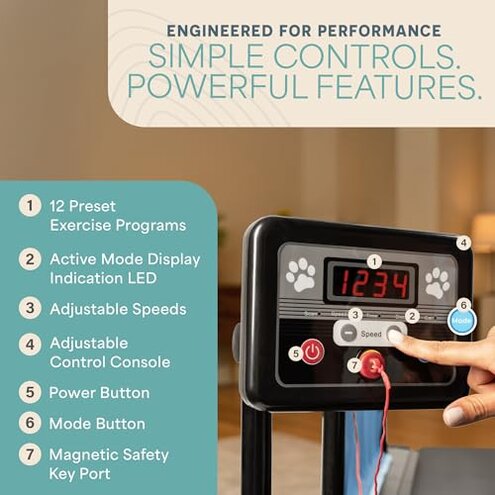
- Small-dog owners Good if you own a calm small to medium dog and will run short, supervised sessions.
- Training-tolerant owners Good if you are willing to train your dog to tolerate initial noise and vibration.
- Budget-conscious buyers Good if you accept possible earlier maintenance and want a lower up-front price.
Expectation vs reality

Expectation Buyers reasonably expect a mid-range pet treadmill to be quiet and stable for indoor use.
Reality Many buyers find louder motors, belt issues, and more maintenance than typical in this category.
Safer alternatives
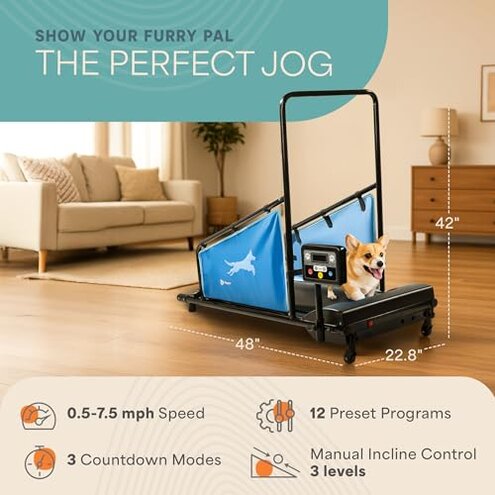
- Look for certified quiet motors Choose models explicitly tested for low decibels to avoid the loud motor problem.
- Prioritize clear weight ratings Pick treadmills with conservative, tested weight limits for heavy-dog safety.
- Check parts availability Prefer brands with easy replacement belts and visible service guides to reduce downtime.
- Choose simpler assembly Pick units with one-person assembly and clearer instructions to avoid setup delays.
The bottom line
Main regret The primary trigger buyers report is loud motor vibration and early wear during regular use.
Why it matters This exceeds normal category risk because indoor comfort and predictable durability are core expectations for pet treadmills.
Verdict Avoid this model if noise, long-term reliability, or heavy-dog daily use are must-haves for you.
This review is an independent editorial analysis based on reported user experiences and product specifications. NegReview.com does not sell products.