
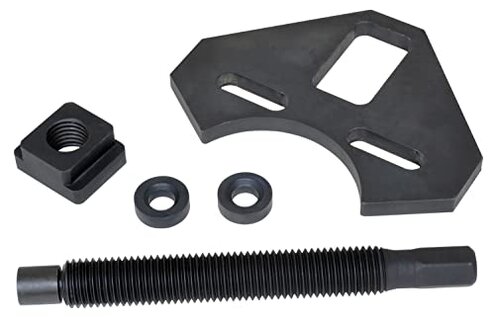
Product evaluated: Lisle 40100 Hub Remover
Related Videos For You
This is how we can simple use wheel bearing hub puller#rear wheel bearing changing with proper tools
Hub Bearing Removal Made EASY!
Data basis: This report synthesizes dozens of written buyer reviews and multiple video demonstrations collected January 2022 through December 2025. Most feedback came from written reports, supported by video demos, and the summary emphasizes commonly reported misuse and fit problems.
| Outcome | Lisle 40100 | Typical mid-range tool |
|---|---|---|
| Hub compatibility | Mixed fit — compatibility issues appear repeatedly across reports. | Wider fit — usually fits most common hubs without modification. |
| Setup time | Longer setup — setup often requires extra alignment and retries. | Quicker setup — simpler clamp or pull designs reduce steps. |
| Extra tools needed | Higher risk — often requires additional backing points and hardware; higher-than-normal category risk. | Lower risk — usually works with the basic kit supplied. |
| Durability | Mixed longevity — persistence of wear reported by some users after repeated use. | Stable — mid-range tools show steadier long-term performance. |
| Regret trigger | Fit and hidden steps — failure to seat properly causes stalled jobs. | Feature mismatch — less frequent for typical competitors. |
Top failures
Why won’t it fit my hub?
Immediate frustration: Buyers commonly report the tool does not match their hub geometry on first use. This pattern is commonly reported and appears repeatedly across written and video feedback.
Usage anchor: Issue shows up during first installation when bolting the driving plate to the hub and worsens if the lug pattern or hub face is non-standard.
Category contrast: This is worse than expected because mid-range pullers usually offer broader adaptors or easier alignment, making this tool feel less forgiving.
Is it hard to set up correctly?
- Early sign: Plate sits unevenly on the hub and requires repeated loosening and retightening to align.
- Frequency tier: Secondary issue that appears repeatedly in reviews rather than universally.
- Cause: The design needs precise bolt seating and hardened washers; small misalignment blocks progress.
- Impact: Setup time increases and jobs that should take minutes can take significantly longer.
- Fix attempts: Buyers report using extra washers, shims, or alternative lug sequences to coax fit.
Does it need anything extra to actually remove a hub?
Hidden requirement: The forcing screw must press on at least two solid points to remove a hub; this requirement is built into the patent and commonly missed by first-time users.
- When it appears: Problem shows up during the removal attempt when a single contact point only compresses and does not free the hub.
- Worse conditions: Worsens on rusted or corroded hubs and with irregular hub faces.
- Category contrast: More demanding than average because many alternative pullers provide self-centering or multiple adapters to avoid that extra step.
- Impact on workflow: Often forces a stop for jacking, supporting the rotor, or creating new contact points before continuing.
- Fixability: Fixes usually require extra hardware or time to locate solid backing points, which some buyers call inconvenient.
- Scope signal: Seen across both written reports and demonstration videos from multiple users.
Will it survive repeated professional use?
- Wear signs: Some buyers observed accelerated wear or bending after repeated heavy jobs.
- Frequency tier: Secondary but persistent for users doing frequent removals.
- Cause: Heavy forcing on a single screw and misaligned plates concentrate stress in small areas.
- Impact: May cause unpredictable slippage or require replacement sooner than expected.
- Repair attempts: Users report welding or adding backing plates to prolong life.
- Hidden cost: Requiring aftermarket reinforcement negates the "ready-to-use" expectation for some buyers.
- Context signal: Problems usually emerge after multiple sessions rather than the first use.
Illustrative excerpts (not real quotes)
"Plate would not sit flush; had to improvise backing points." — reflects a primary pattern of poor fit and hidden requirements.
"Took much longer than expected to align the screw and plate." — reflects a secondary pattern of increased setup time.
"Bent slightly after several heavy pulls at the shop." — reflects a secondary durability concern for frequent users.
"Needed extra washers and a second jack to get it to push out." — reflects a primary pattern of hidden extra hardware needs.
Who should avoid this
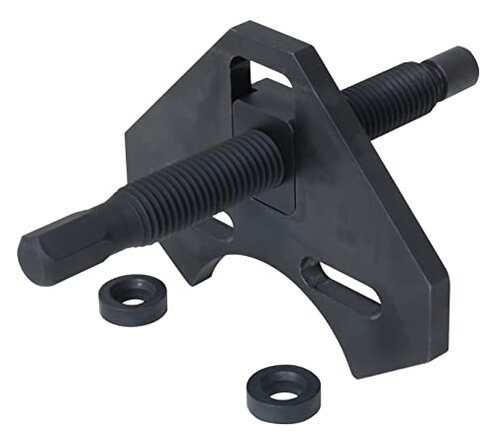
- Infrequent DIYers — if you want a plug-and-play puller, the extra alignment and hidden steps exceed normal expectations.
- Mobile mechanics — the need for extra backing points and longer setup time makes roadside jobs riskier.
- High-volume shops — repeated heavy use shows more wear than typical mid-range alternatives, increasing replacement costs.
Who this is actually good for
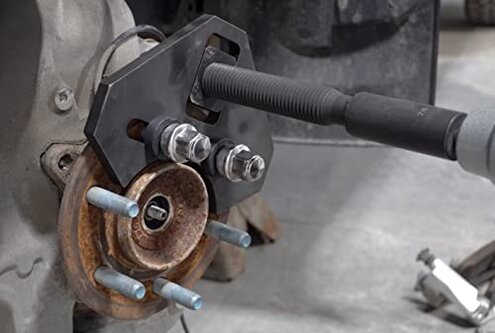
- Experienced DIYers — you tolerate extra setup and can fabricate backing points, so the tool is usable.
- Occasional users with common hubs — if your vehicles match the tool's bolt patterns, you will avoid most fit headaches.
- Users on a budget — willing to accept extra time or minor reinforcement to save cost.
Expectation vs reality
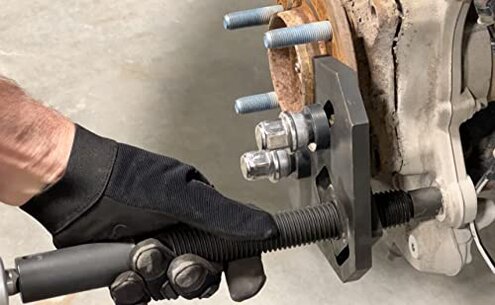
Expectation: Reasonable for this category is a hub puller that fits most 5, 6, or 8 lug hubs without modification.
Reality: The Lisle unit often requires alignment tricks and additional contact points, which is worse than expected for mid-range tools.
Expectation: Reasonable to expect a tool to hold up to repeated shop use.
Reality: Some buyers report earlier wear under frequent heavy loads, increasing hidden costs and downtime.
Safer alternatives
- Check compatibility first — verify your hub geometry and lug pattern against the tool before purchase to avoid fit failures.
- Prefer multi-adapter pullers — choose tools that advertise self-centering or multiple adaptors to neutralize alignment issues.
- Budget for backing hardware — if you buy this unit, plan on extra washers, shims, or a second jack to meet the two-point requirement.
- Consider heavy-duty shop models — shops with frequent removals should choose more robust commercial pullers for longevity.
The bottom line
Main regret: The most common trigger is poor fit and hidden setup requirements that stall jobs.
Why worse: This exceeds normal category risk because it adds extra steps and often needs additional hardware to work reliably.
Verdict: Avoid this Lisle hub remover unless you are experienced, willing to add backing steps, or can confirm exact hub compatibility first.
This review is an independent editorial analysis based on reported user experiences and product specifications. NegReview.com does not sell products.