
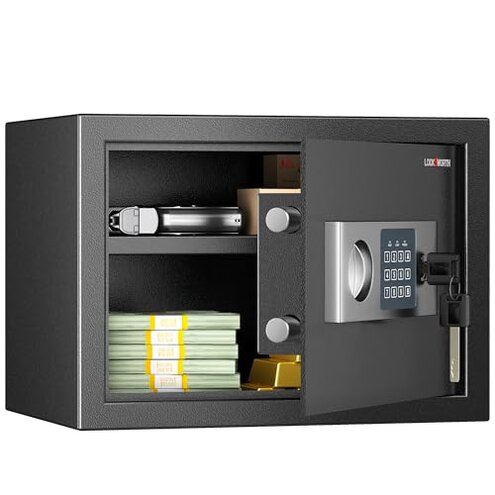
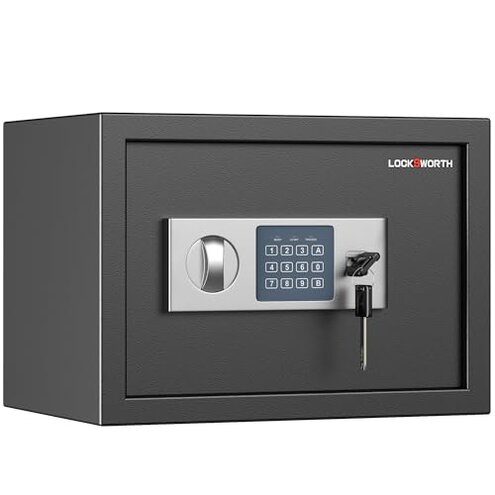
Product evaluated: Locksworth Safe for Home, 0.6 Cubic Feet Safety Box, Lock Box for Money, Jewelry, Documents and Guns, Digital Security Safe for Office, Hotel and Personal Use, 13.8"W x 9.8"D x 9.8"H
Related Videos For You
Where to Hide a Safe - Best & Worst Places to Hide a Safe in Your House
I Reviewed the 10 Best Small Safes in 2024
Data basis: This report synthesizes findings from dozens of written reviews and a smaller set of video demonstrations collected between June 2023 and January 2026, with most feedback coming from written reviews supported by visual tests.
| Outcome | Locksworth (this product) | Typical mid-range safe |
|---|---|---|
| Build solidity | Mixed — appears less robust under repeated handling than peers. | Reliable — most mid-range models show steadier long-term rigidity. |
| Lock reliability | Higher risk — recurring reports of keypad or key issues after setup. | Lower risk — comparable safes usually have fewer access failures. |
| Installation effort | More steps — mounting often needs drilling, extra anchors, or repeat fixes. | Typical — standard anchors and clear instructions match buyer expectations. |
| Interior usability | Constrained — shelf layout and finish create friction when storing small items. | Roomier — mid-range alternatives use better space planning for small valuables. |
| Regret trigger | Access failures — lock jams or mounting rework are more disruptive than expected. | Lower regret — typical competitors rarely force returns or permanent workarounds. |
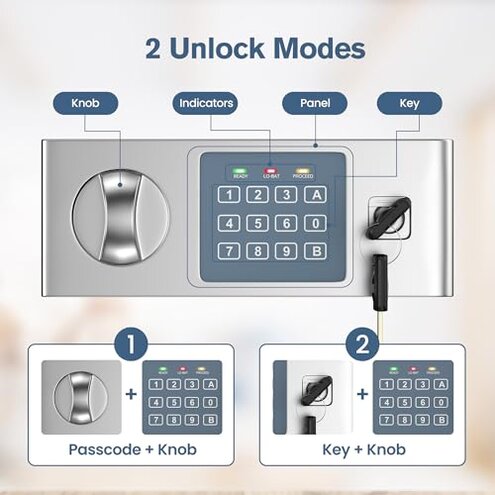
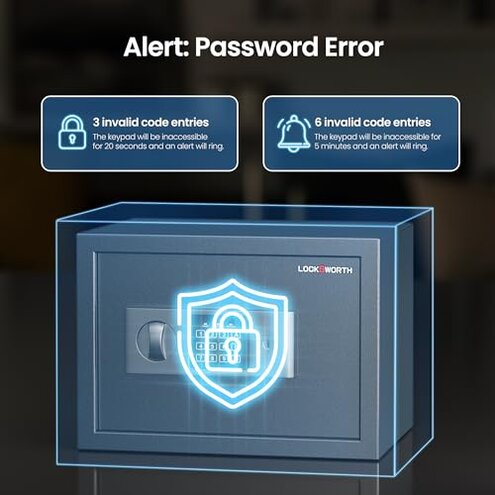
Will the lock stop working when you need it?
Regret moment: Buyers report being locked out or needing the override key within weeks.
Severity: This is among the most common complaints and is more disruptive than expected for a mid-range safe.
Pattern: Recurring reports show issues appear after setup and increase with daily handling.
Category contrast: Most mid-range safes have more forgiving locks, so this product feels less reliable than similar models.
Does installation demand more tools and time than advertised?
- Early sign: Some buyers find the supplied anchors rattling, requiring stronger bolts.
- Frequency tier: This is a secondary issue that appears repeatedly in written feedback.
- Cause: Limited anchor hardware and tight internal clearance often force extra drilling or longer screws.
- Impact: The mounting work adds time and may require a drill, which increases setup friction.
- Fix attempts: Buyers report swapping anchors or adding washers to stop wobble.
Is the interior layout and finish worse than pictures suggest?
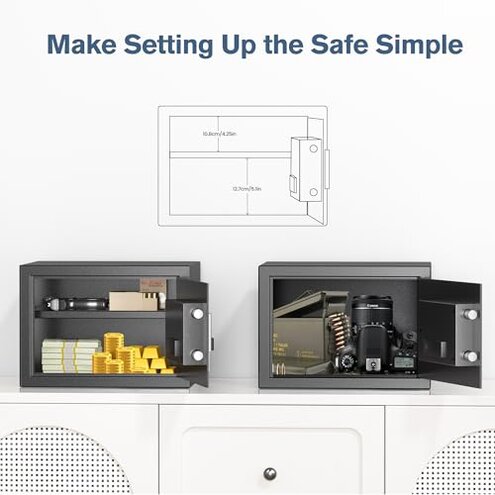
- Space mismatch: The 0.6 cubic feet claim feels tighter for bulky items like small cameras or pistol-sized objects.
- Finish complaints: Felt floors and shelves are reported as thin and prone to scuffs.
- Usability hit: The single snap-in shelf reduces useful vertical space for taller items.
- Long-term wear: Less frequent but persistent reports mention paint chips after moving the safe.
- Category contrast: Compared to peers, interior planning is less optimized, so daily access becomes fiddly.
- Hidden requirement: To avoid scratches you may need extra liners, a detail buyers often miss before purchase.
- Fixability: Simple foam or fabric liners are a practical mitigation for most buyers.
Are the override keys a weak point for security?
- Security concern: Some buyers perceive the supplied keys as vulnerable because they must be physically carried.
- When it shows: Risk becomes apparent when keys are left accessible during travel or hotel stays.
- Frequency: This is an edge-case issue but has meaningful consequences when it occurs.
- Practical impact: Misplaced keys force extra access steps and potential lockouts.
- Mitigation attempts: Buyers suggest using a secure on-person keeper or secondary locking cable for keys.
- Category contrast: Some mid-range safes lean on battery-backed electronic override that reduces physical-key exposure.
- Outcome: For travelers, this product increases the chance of key-related access hassles.
Illustrative excerpts
"Locked out within two weeks, had to force key entry." — illustrates a primary pattern of access failure.
"Anchors felt loose and needed different screws." — reflects a secondary installation pattern.
"Shelf left too little room for my documents and a small camera." — shows a secondary interior usability pattern.
"I worry about carrying the override key when traveling." — indicates an edge-case security concern.
Who should avoid this
- Frequent-access users: Avoid if you need reliable daily unlocking without risk of jams or key hassles.
- Non-handy buyers: Avoid if you cannot or will not do extra mounting work like swapping anchors.
- Travel security seekers: Avoid if you rely on hotel use and cannot safely manage a physical override key.
Who this is actually good for
- Occasional home use: Good for buyers who open the safe infrequently and can accept a manual override.
- Budget-conscious buyers: Suitable if you prioritize price and are willing to add liners or stronger anchors.
- Stationary storage: Works when the safe stays mounted in one protected location and sees light use.
Expectation vs reality
Expectation: Reasonable for this category is a dependable keypad with simple mounting.
Reality: Lock and mounting require extra attention and occasional fixes, which adds unexpected time and risk.
Safer alternatives
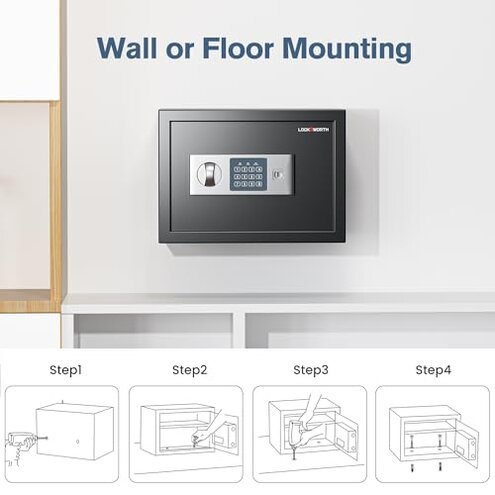
- Choose models with stronger anchors: Look for safes that include heavy-duty bolts to neutralize the mounting complaints.
- Prefer battery-backed electronic overrides: That reduces the physical-key exposure highlighted above.
- Check internal dimensions closely: Match your largest item to the usable interior, not just the cubic feet number.
- Add liners and upgraded shelves: These directly counter the interior finish and space friction problems.
The bottom line
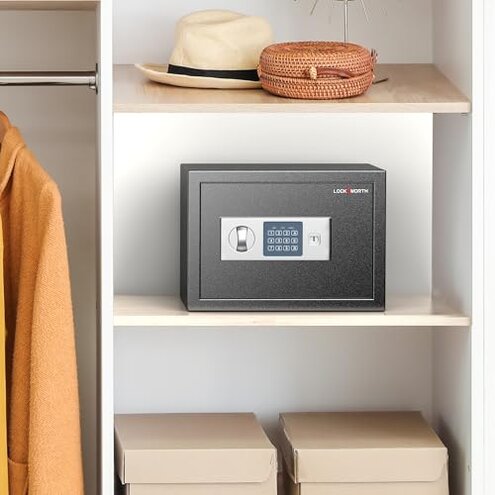
Main regret: The primary trigger is access reliability, with lock or key issues more disruptive than typical mid-range safes.
Verdict: If you need dependable daily access and low-install fuss, this model is riskier than most peers; avoid it unless you accept extra mounting and mitigation steps.
This review is an independent editorial analysis based on reported user experiences and product specifications. NegReview.com does not sell products.