
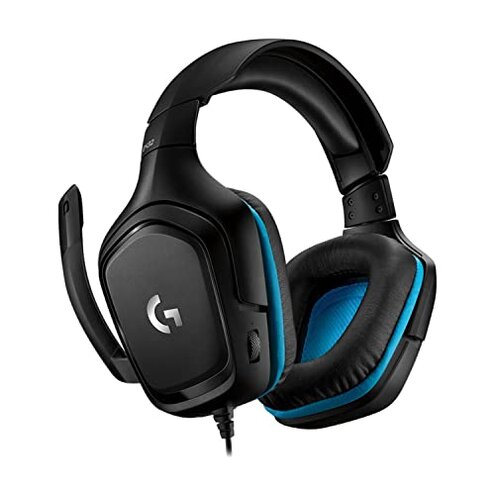
Product evaluated: Logitech G432 Wired Gaming Headset, 7.1 Surround Sound, DTS Headphone:X 2.0, Flip-to-Mute Mic, PC (Leatherette) Black/Blue
Related Videos For You
How to get Microphone and Sound from Single 3.5mm Headsets (use gaming headset on PC)
How to Clean HyperX Ear Pads - Synthetic Leather, Velour Ear Pad Cleaning
Data basis: We reviewed dozens of purchaser reports across written reviews and video demonstrations collected between 2019 and 2024, with most feedback coming from written reviews and supported by video demonstrations.
| Outcome | Logitech G432 | Typical mid-range headset |
|---|---|---|
| Build durability | Higher risk of plastic failure and cable issues reported more often than mid-range peers. | Moderate risk with sturdier materials and fewer cable failures. |
| Microphone reliability | Primary complaints about low sensitivity, mute flip wear, or intermittent mute behavior. | Usually reliable mics with fewer early failures in this category. |
| Setup & software | Hidden setup steps often needed to enable 7.1 or optimal sound on PC. | Plug-and-play performance is more common for typical mid-range alternatives. |
| Comfort over time | Mixed reports of ear-pad wear and heat during long sessions. | Better padding and longer comfort tolerance are common in the category. |
| Regret trigger | Frequent service or replacement is more likely and more disruptive than expected. | Less likely to require repeated fixes or returns. |
Top failures
Why did parts break or the cable fail so quickly?
Regret moment: Buyers describe the headset becoming loose or producing crackling after weeks to months of normal use.
Pattern: This is a primary issue that appears repeatedly across written and visual reports.
When it shows up: Breaks typically appear after repeated daily handling or during transport.
Category contrast: This feels worse than typical mid-range headsets because replacements add more time and cost than expected.
Why does the microphone lose clarity or stop working?
- Early sign: Mic volume or sensitivity seems low right after setup, commonly reported as the first annoyance.
- Frequency tier: This is a secondary issue that appears commonly but is not universal.
- Cause: Issues often point to the flip-to-mute hinge or wiring becoming loose over time.
- Impact: Voice chat quality becomes unreliable during gaming sessions, which is disruptive for team play.
- Fixability: Temporary fixes exist, but many buyers report the fault returns after weeks.
Why does 7.1 or sound feel inconsistent across devices?
- Hidden requirement: Getting surround sound often needs a USB connection or PC software to unlock full features.
- Pattern statement: This is a primary-to-secondary pattern that appears across platforms and setups.
- When it shows up: The problem shows up right after setup on consoles or PCs when users expect plug-and-play.
- Worse than normal: Mid-range headsets usually require less software fiddling for basic surround effects.
- Cause: Software, drivers, or using the wrong input (3.5mm vs USB) commonly create inconsistent sound staging.
- Impact: Gamers lose positional accuracy, which is more disruptive than a simple EQ mismatch.
Why become uncomfortable or notice earpad wear quickly?
- Early sign: Heat buildup and stiffness in ear pads during sessions longer than an hour is commonly reported.
- Frequency tier: This is a secondary-to-edge-case concern depending on user sensitivity and session length.
- Cause: Leatherette padding and tighter clamping can speed pad wear and increase sweating for some users.
- Impact: Comfort declines over repeated long sessions, pushing buyers to seek replacements sooner.
- Attempted fixes: Third-party pads are often suggested, but they add extra cost and time.
- Fixability: Changeable pads help, but replacements are an extra ongoing expense compared with peers.
- Hidden requirement: Regular pad replacement or aftermarket upgrades are commonly needed to restore comfort.
Illustrative excerpts (not real quotes)
"Mic went quiet after one month of nightly gaming, barely audible to teammates." — Primary pattern.
"Headset cable cracked where it bends during transport; sound pops intermittently." — Primary pattern.
"7.1 sounded off until I used USB and installed the software on PC." — Secondary pattern.
"Ear pads got stiff and hot on two-hour sessions, not comfy anymore." — Edge-case pattern.
Who should avoid this
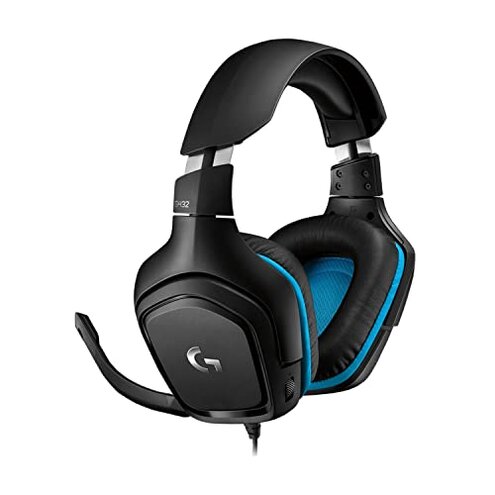
- Competitive gamers: Avoid it if you rely on consistently clear mic and precise positional audio without frequent troubleshooting.
- Frequent travelers: Avoid it if you expect rugged cables and frames that survive regular transport without repairs.
- Long-session users: Avoid it if you need comfortable ear pads for marathon sessions and dislike replacing pads often.
Who this is actually good for
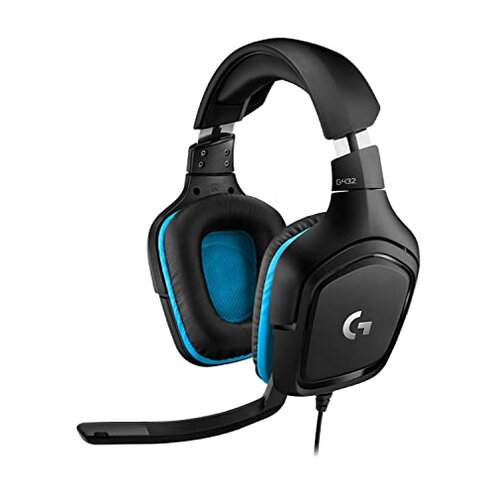
- Casual gamers: Good if you tolerate occasional mic fuss and value low upfront price over longevity.
- Budget buyers: Good if you accept software setup and occasional fixes to save money initially.
- Console players who use 3.5mm: Good if you want simple wired audio without expecting desktop surround by default.
Expectation vs reality
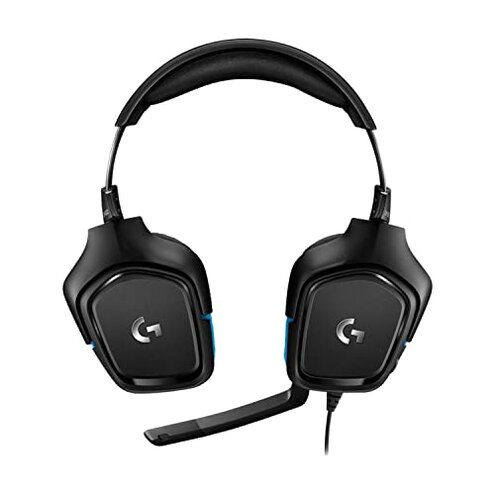
Expectation (reasonable for category): Mid-range headsets usually deliver reliable mic and plug-and-play audio.
Reality: This product commonly needs extra setup, repair, or replacement sooner than that reasonable baseline.
Expectation: 7.1 branding implies immediate surround sound on all devices.
Reality: Buyers frequently find they must use a USB connection or software to reach the advertised experience.
Safer alternatives
- Choose reinforced cables: Look for headsets that advertise braided or detachable cables to avoid cable failure.
- Prioritize tested mic units: Pick models with a documented history of reliable microphones in mid-range reviews.
- Prefer plug-and-play 7.1: Buy headsets that state native console or OS support for surround sound without extra software.
- Check pad replaceability: Choose headsets with easy-to-replace pads or breathable materials for long sessions.
The bottom line
Main regret trigger: Repeated microphone and durability issues produce the most buyer regret.
Why it exceeds risk: These failures are more disruptive than typical mid-range headsets because they demand extra time, fixes, or replacements.
Verdict: Avoid this headset if you need durability and reliable mic performance without ongoing troubleshooting.
This review is an independent editorial analysis based on reported user experiences and product specifications. NegReview.com does not sell products.