
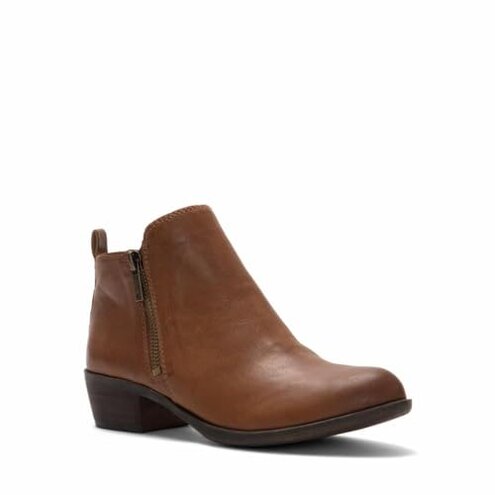
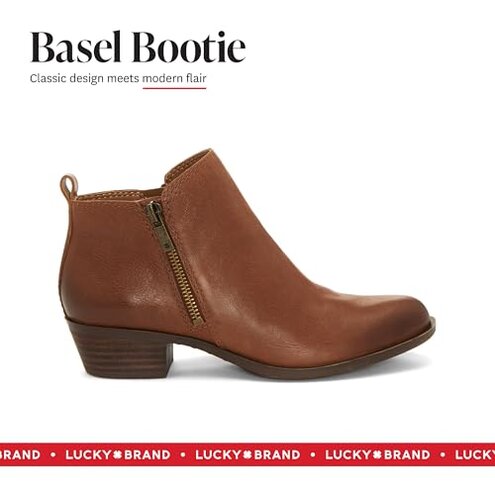
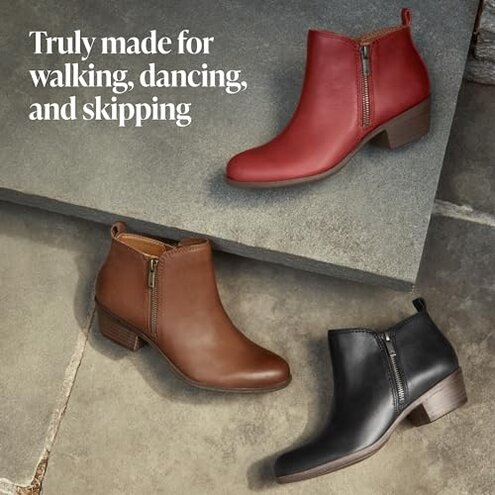
Product evaluated: Lucky Brand Women's Basel Ankle Bootie, Distressed Natural, 8.5 M US
Related Videos For You
THE BEST KNEE HIGH BOOTS & ANKLE BOOTS ON THE HIGHSTREET | Most worn boots for your capsule wardrobe
Ultimate Guide To Restoring Leather Boots // Back To Life In 4 Mins
Data basis This report summarizes hundreds of feedback points gathered from written comments and photo or video posts collected across retail-style review surfaces from 2021 to 2026. Most feedback came from written reviews, with visual posts mainly used to confirm fit, color, and wear patterns seen during daily use.
| Buyer outcome | Lucky Brand bootie | Typical mid-range alternative |
|---|---|---|
| Fit confidence | Lower; sizing drift appears repeatedly, especially on first try-on | More predictable; still imperfect, but usually closer to expected size |
| Break-in comfort | Riskier; discomfort commonly shows up during longer walks or full-day wear | Moderate; some break-in is normal, but less disruptive than reported here |
| Color accuracy | Less reliable; photo-to-real-life mismatch is a secondary but persistent complaint | More consistent; shade variation happens, but usually causes less surprise |
| Wear over time | Higher-than-normal risk; finish and structure concerns appear sooner than many expect for the price | More typical; cosmetic aging still happens, but often after longer regular use |
| Regret trigger | Looks great at first, then fit or comfort problems make buyers stop reaching for them | Usually simpler; fewer style-versus-comfort trade-offs in daily use |
Do they feel good in the box, then punish you later?
This is a primary issue. The regret moment usually starts on the first real outing, not the first mirror check. The boot can feel fine for a short try-on, then become more disruptive during a commute, errands, or an evening out.
The pattern is recurring rather than universal. Compared with a reasonable ankle-boot baseline, the comfort trade-off feels worse because the pain often shows up after you have already committed to wearing them out.
When it hits is usually after an hour or more on your feet. What worsens it is hard flooring, longer walks, and back-to-back wear days that expose pressure points more clearly.
Category contrast matters here. Many booties need some break-in, but buyers commonly describe these as less forgiving than typical mid-range options at similar heel height.
- Illustrative: “Cute for dinner, rough by the walk back to the car.” Primary pattern.
- Illustrative: “They felt fine inside, then my feet wanted out fast.” Primary pattern.
Is the sizing more confusing than it should be?
- Frequency tier: Primary issue; fit inconsistency is among the most common complaints and creates early returns.
- Usage moment: First try-on is where regret starts, especially for buyers choosing their normal size expecting an easy match.
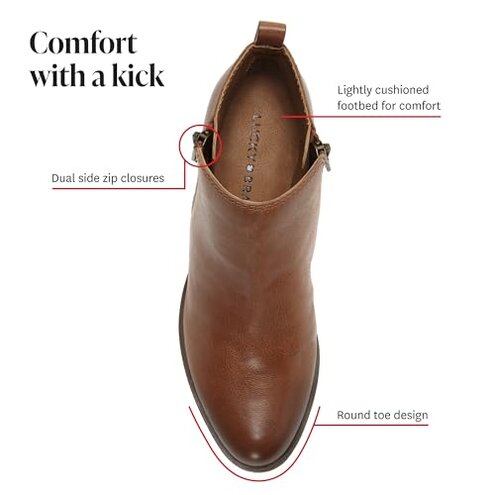
- What buyers notice: Toe room, width feel, and ankle fit can seem off in ways that make the boot look right but feel wrong.
- Why it frustrates: Replacement effort adds extra steps, especially if buyers need to test another size before an event or trip.
- Pattern signal: Persistent reports suggest this is not a rare one-off, even though not every foot shape runs into it.
- Category contrast: Worse than expected because ankle boots in this price band are usually more predictable within half a size.
- Hidden requirement: Trial-and-return tolerance helps here; buyers who dislike ordering multiple sizes may find the process more annoying than normal.
Does the color in person create that “not what I ordered” feeling?
- Frequency tier: Secondary issue; less common than fit complaints, but still repeated enough to matter.
- When it appears: Unboxing is the key moment, especially with shades described as distressed or natural-looking.
- What buyers notice: Tone differences can read lighter, darker, or less versatile than the listing photos suggest.
- Why this matters: Styling mismatch can turn a planned everyday boot into something buyers only wear with fewer outfits.
- Pattern signal: Seen across multiple feedback sources, especially from buyers expecting a close photo match.
- Category contrast: More frustrating than normal because fashion boots are heavily bought for color and outfit coordination, not just function.
- Fixability: Low; if the shade feels off, the real solution is usually exchange or return.
- Illustrative: “The color worked online, but in person it missed my whole wardrobe.” Secondary pattern.
Do they hold up like the price suggests?
- Frequency tier: Secondary issue; less frequent than sizing trouble, but more frustrating when it happens after the return window.
- When it shows up: After repeated use, especially as a frequent weekly boot rather than an occasional fashion pair.
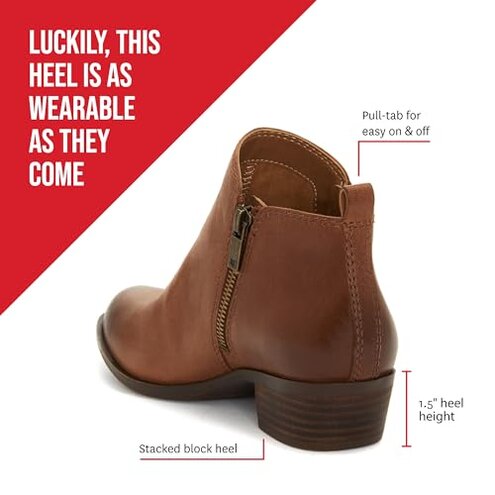
- What worsens it: Daily handling, repeated zipper use, and regular walking can expose finish wear or shape fatigue sooner.
- Buyer impact: Value regret rises fast when a boot that looked premium starts looking tired early.
- Pattern signal: Not universal, but the complaints are persistent enough to raise caution for heavy wearers.
- Category contrast: Higher-than-normal risk because buyers expect this type of ankle boot to age gradually, not feel noticeably worn so soon.
- Attempted workaround: Rotating pairs can reduce stress, but that also means the boot may not suit buyers wanting one reliable everyday option.
- Fixability: Limited; early cosmetic aging can sometimes be managed, but structural disappointment is harder to solve.
- Illustrative: “They looked amazing early, then stopped looking special pretty fast.” Secondary pattern.
- Illustrative: “I wanted an everyday pair, but they felt better as occasional boots.” Edge-case pattern.
Who should avoid this
- Avoid these if you need predictable sizing on the first order and do not want exchange hassle.
- Avoid them if you spend long hours standing, because comfort complaints appear repeatedly during extended wear.
- Avoid this pair if you want a true everyday boot with lower wear anxiety over time.
- Avoid them if color matching matters a lot for your wardrobe and you dislike photo mismatch surprises.
Who this is actually good for
- Better fit for buyers who prioritize the look and can tolerate some break-in for shorter outings.
- Better fit for shoppers comfortable with trying two sizes and returning the weaker fit.
- Better fit if you want an occasion boot, not a heavy weekly workhorse.
- Better fit for buyers whose wardrobe is flexible enough to absorb some shade variation.
Expectation vs reality
Expectation: A reasonable hope for this category is minor break-in followed by easy all-day wear.
Reality: The recurring complaint is delayed discomfort that shows up after leaving the house, which feels worse than expected.
- Expectation: True-enough sizing with maybe a small adjustment for socks.
- Reality: Fit drift can be large enough to trigger exchanges, adding time and uncertainty.
- Expectation: Listing color should land close enough for outfit planning.
- Reality: In-person shade can look different enough to change how often you wear them.
- Expectation: Regular use should produce normal aging for a mid-range boot.
- Reality: Earlier wear concerns appear more often than many buyers expect.
Safer alternatives
- Choose styles with more consistent feedback around true-to-size fit if you cannot easily manage returns.
- Prioritize boots described as comfortable for all-day wear, not just short outings, if you walk or stand a lot.
- Look for retailer photos showing the boot in multiple lighting conditions to reduce color-surprise risk.
- Pick a pair with repeated praise for holding shape if you want one boot for frequent weekly use.
- Test any new ankle boot indoors with your usual socks for a longer session to catch delayed pressure points before committing.
The bottom line

Main regret here is the style-first trade-off: the boot often looks appealing, but fit and comfort risk show up more often than a typical mid-range alternative. That matters because the problems often appear during real wear, not quick try-on.
Verdict: If you need dependable comfort, easy sizing, and lower upkeep risk, this is a reasonable one to skip. It makes more sense only for buyers willing to tolerate exchange steps and occasional-only use.
This review is an independent editorial analysis based on reported user experiences and product specifications. NegReview.com does not sell products.