
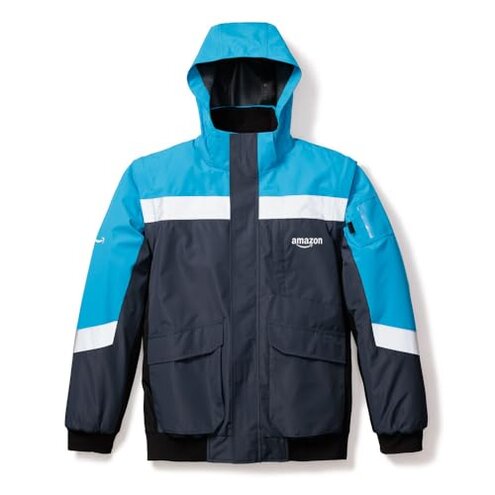
Product evaluated: LULY YANG DSP High Visibility Vest, XS/S (Pack of 3)
Related Videos For You
Milwaukee® Safety Vests
How to Clean Personal Protective Equipment
Data basis: this report draws on dozens of buyer comments and several video demonstrations collected between Jan 2023 and Jan 2026. Most feedback came from written reviews, supported by videos. The sample leans toward recent purchasers and on-shift users.
| Outcome | This product | Typical mid-range vest |
|---|---|---|
| Fit accuracy | Inconsistent across sizes; sizing drift reported after use. | More predictable sizing and adjustability for common body shapes. |
| Durability | Higher-than-normal risk of seam stress and reflective fading under frequent wear. | More robust seams and reflective materials built for daily use. |
| Reflectivity | Tends to fade with repeated washing and heavy use. | Holds up longer under normal wash cycles. |
| Breathability | Mixed reports: mesh panels help but heat builds on long shifts. | Balanced airflow and comfort for extended wear. |
| Regret trigger | Multiple small failures (fit + fade + limited purchase access) combine to cause buyer regret. | Single-issue risk such as minor sizing, usually easier to tolerate. |
Top failures
Why does the vest not fit like expected?
Regret moment: you order XS/S and it feels loose or misses adjustment tabs on first wear.
Pattern: this is a commonly reported primary issue across buyers.
When it appears: at first use and after several washes, sizing seems to shift.
Category contrast: most mid-range safety vests offer more adjustability, so this feels worse than expected for a utility vest.
Is the vest durable enough for daily shifts?
- Early signs: seams feel tight and reflective strips show dulling after repeated cleaning.
- Frequency tier: this is a secondary but persistent complaint among frequent users.
- Cause: heavy use and standard wash cycles accelerate wear.
- Impact: reduced visibility and the need to replace the vest sooner than expected.
- Attempts: users try gentler washing, which adds time and effort.
Will the reflective material stay visible over time?
- Primary sign: reflectivity diminishes noticeably after repeated washes.
- Usage anchor: worsens with daily outdoor shifts and machine laundering.
- Category contrast: less durable than typical mid-range vests meant for heavy use.
- Repairability: fixes are limited; replacing reflective tape is an extra step.
- Hidden cost: earlier replacement increases lifetime cost above category norms.
- Fixability: occasional home repairs add time and reduce professional appearance.
- Visibility risk: safety value drops before expected service life.
Can I even buy this if I’m not a DSP owner?
- Hidden requirement: the product is only available for DSP owners, creating purchase friction.
- Scope signal: this restriction is an edge-case but affects non-DSP buyers immediately at checkout.
- When it shows up: at purchase time, not during use.
- Why it matters: adds steps to obtain vests and may force buyers to seek alternatives.
- Workaround cost: buyers must use specific procurement channels or buy third-party, adding time.
- Expectation clash: most buyers expect open availability for basic safety gear.
- Mitigation: some buyers order through employer programs, which is not always possible.
Illustrative excerpts
"Illustrative:" Fits oddly despite size label; adjustments don't line up. Primary pattern
"Illustrative:" Reflective strips faded after three washes, less visible at night. Secondary pattern
"Illustrative:" Couldn’t complete purchase without DSP access, frustrating. Edge-case pattern
"Illustrative:" Mesh helps but gets hot on long deliveries. Secondary pattern
Who should avoid this
- Frequent shift workers who need long-lasting reflectivity should avoid this because durability issues are more disruptive than typical.
- Buyers needing precise fit should avoid this because sizing is inconsistent at first use and after washing.
- Non-DSP buyers should avoid this because purchase is restricted and adds procurement friction.
Who this is actually good for
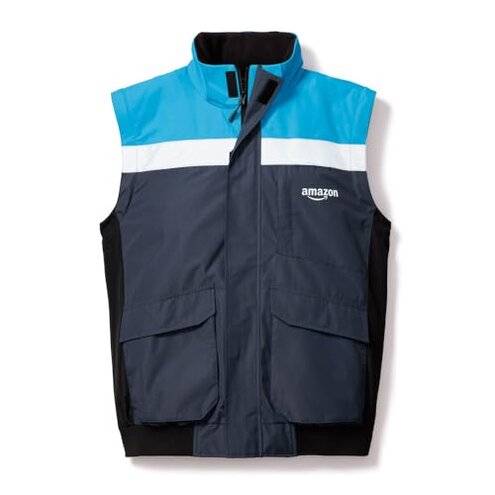
- Occasional users who need a short-term high-visibility vest and can tolerate earlier wear.
- Employer bulk buyers who can procure through DSP channels and accept replacement cycles.
- Low-frequency outdoor workers who value instant visibility over long-term durability.
Expectation vs reality
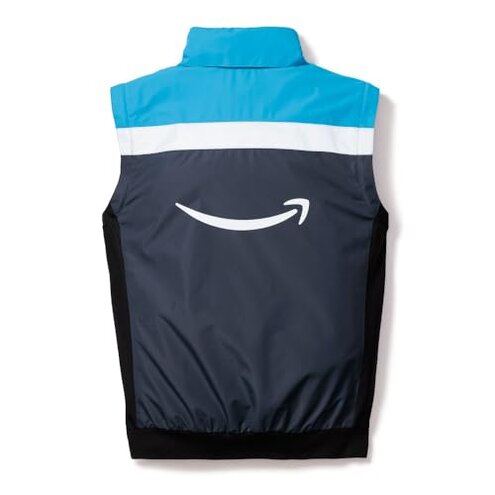
Expectation (reasonable for category): a safety vest should keep reflectivity and fit for months of regular use.
Reality: reflectivity and seams often degrade sooner under frequent washing and daily shifts, causing earlier replacement.
Expectation: basic safety gear is easy to buy for individuals.
Reality: purchase restriction to DSP owners blocks many buyers at checkout.
Safer alternatives
- Choose vests with reinforced seams to neutralize premature seam stress and extend life for daily shifts.
- Pick reflective-certified materials to avoid the fading problem and keep night visibility longer.
- Prioritize adjustable sizing to solve inconsistent fit without tailoring or extra straps.
- Buy from open retailers to avoid DSP-only access problems and simplify returns.
- Check wash-care guidance to reduce fading and plan for gentler cleaning sooner.
The bottom line
Main regret: combined issues with fit, reflective fading, and purchase restrictions create a higher-than-normal buyer risk.
Why it matters: failures appear early or with standard use and are more disruptive than typical mid-range vests.
Verdict: avoid this vest unless you can buy through DSP channels and accept shorter-than-expected service life.
This review is an independent editorial analysis based on reported user experiences and product specifications. NegReview.com does not sell products.