
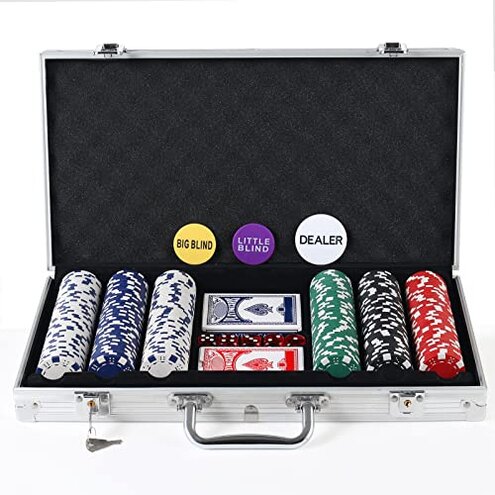
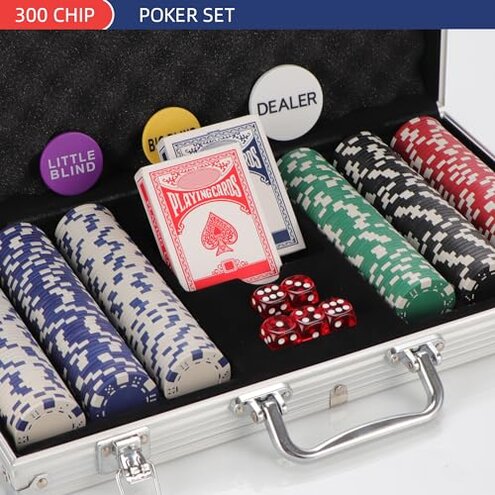
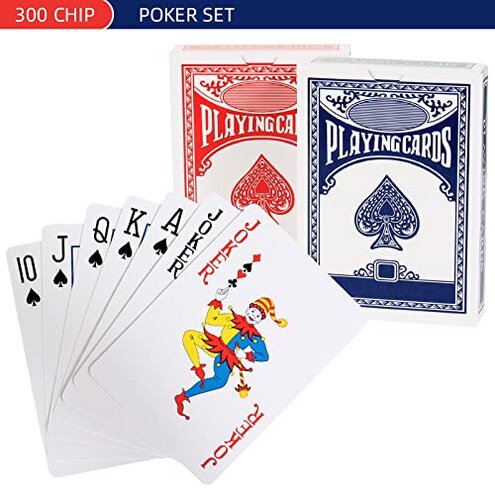
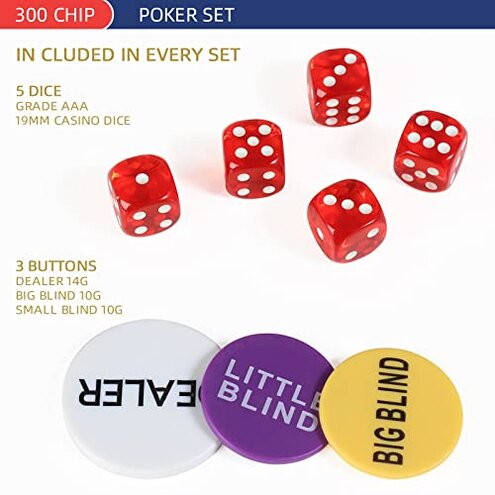
Product evaluated: 300Pcs Poker Chips Set for Texas Holdem,Blackjack,Professional Poker Kit with Aluminum Case,2 Decks Cards,Dealer,Big Small Blind Buttons and 5 Dice,11.5 Gram Gambling Chips for Casino Games
Related Videos For You
Poker chip selection for home cash games
PLAYWUS 300 PIECE POKER SET / CASINO QUALITY POKER SET? UNBOXING & FULL REVIEW
Data basis This report summarizes dozens of buyer feedback points gathered from written comments and photo or video-backed impressions collected between 2023 and 2026. Most feedback appears in short written reactions, with added support from visual unboxings and use demos that show setup, chip handling, and case condition during real home game use.
| Buyer outcome | LUOBAO set | Typical mid-range alternative |
|---|---|---|
| First impression | Less predictable because presentation issues feel more noticeable right after unboxing. | More consistent with fewer surprises at first use. |
| Accessory reliability | Higher risk of small extras feeling like throw-ins rather than dependable game-night pieces. | Usually steadier for cards, buttons, and storage basics. |
| Case durability | Above-normal concern if you plan to carry it often or store it between sessions. | Moderate risk, but often better suited to repeat transport. |
| Chip consistency | Mixed feel can stand out more than expected for an entry poker set. | More even handling for casual home games. |
| Regret trigger | Looks complete on paper, but the weak point is when several small quality misses stack up at once. | Simpler trade-off where fewer extras often means fewer things to disappoint. |
Why does it feel disappointing as soon as you open the case?
Primary issue for this type of set is the gap between the full accessory list and the first-use experience. The regret moment shows up during unboxing, when buyers expect a ready-to-play kit and instead notice presentation or quality shortcuts.
This pattern appears repeatedly, though not universally, and it feels more disruptive than expected for a mid-range home poker set. In this category, buyers usually accept basic accessories, but they still expect the kit to feel organized and dependable on day one.
- Early sign is that the set can look complete in the listing but less polished once laid out for a real game.
- Pattern strength is recurring across feedback, making this one of the most common regret triggers.
- Usage moment happens on first setup when players sort chips, check the decks, and inspect the case before a game starts.
- Why it stings is that the product sells convenience, so extra checking and rearranging adds time right when guests are waiting.
- Category contrast is important here because even budget-friendly poker kits usually aim to avoid obvious first-impression letdowns.
Are the chips and extras good enough for regular game nights?
- Primary complaint is uneven quality across the set, with the chips and extras not always feeling equally dependable during normal use.
- When it shows is after setup and into longer sessions, when handling differences become easier to notice round after round.
- Frequency tier is primary issue, and it appears repeatedly rather than as a one-off annoyance.
- Buyer impact is that a set meant to feel casino-like can end up feeling more like a starter bundle.
- Hidden trade-off is that the long feature list can distract from the fact that not every included piece seems equally strong.
- Fixability is partial at best, because buyers can replace cards or ignore some extras, but that adds cost and hassle.
- Category baseline is that entry-level sets often cut corners, but this feels worse when the product leans hard on a professional-style presentation.
Illustrative excerpt: “The chips were fine, but the rest felt cheaper than the photos.”
Pattern note This reflects a primary complaint about uneven quality across included parts.
Illustrative excerpt: “It works for one night, just not like a set I want to keep using.”
Pattern note This reflects a secondary pattern tied to repeated-use disappointment.
Will the case hold up if you actually carry it around?
Secondary issue is the storage case, which matters more than buyers expect because this kind of set is often moved between rooms or taken to friends' houses. The frustration usually appears after a few carries, not just while it sits on a shelf.
This concern is less frequent than first-use disappointment, but more frustrating when it happens because transport is a core reason to buy a case set. Compared with a typical mid-range alternative, this feels less forgiving for repeated handling.
- Usage context gets worse when the set is packed, lifted, stored, and reopened often.
- Why buyers care is simple: a case should reduce effort, not create worry about protection or wear.
- Persistent theme is that portability sounds better in theory than it feels during real moving and storage.
- Hidden requirement is gentle handling, which is a drawback if you expected toss-it-in-the-car convenience.
Illustrative excerpt: “The case looked nice, but I would not trust it for regular travel.”
Pattern note This reflects a secondary complaint centered on transport confidence.
Does the big feature list hide extra replacement hassle?
- Primary risk is expectation mismatch, where the included cards, buttons, dice, and case suggest a complete solution but can add replacement chores.
- When it appears is after the first or second game, once buyers decide which parts they actually want to keep using.
- Pattern signal is persistent across feedback because convenience is a major reason people choose bundled sets.
- Real cost is not just money; it is the extra time spent upgrading the weak links one piece at a time.
- Why worse here is that a typical mid-range set with fewer promises often creates less disappointment.
- Buyer mistake is assuming a longer accessories list means fewer future purchases.
- Best-case fix is using the chips while treating some extras as temporary placeholders.
- Edge condition is that casual players may tolerate this, but repeat hosts usually notice the mismatch faster.
Illustrative excerpt: “I bought a full kit, then still needed better extras right away.”
Pattern note This reflects a primary complaint about hidden replacement needs.
Illustrative excerpt: “Good enough to start, but not the last set I would buy.”
Pattern note This reflects an edge-case view from buyers with lower expectations.
Who should avoid this
- Frequent hosts should avoid it if you want a set that feels dependable every weekend without sorting out weak extras.
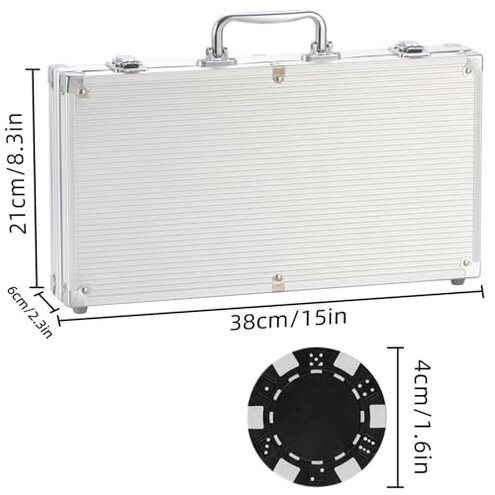
- Travel players should skip it if the case will be carried often, because portability concerns seem higher than normal for this category.
- Gift buyers may want another option if first impression matters, since unboxing disappointment is among the most common complaints.
- Upgrade-minded users should pass if you want one purchase to cover chips, cards, and storage without immediate replacements.
Who this is actually good for
- Occasional players may be fine if the goal is a low-cost home set and you accept that some extras may feel temporary.
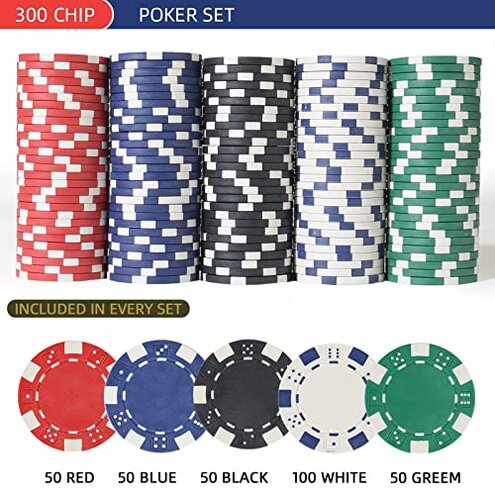
- Chip-focused buyers may still consider it if you mainly care about getting a 300-piece set and can overlook uneven accessory quality.
- At-home use makes more sense if the case will mostly stay on a shelf and not be transported often.
- Beginner groups may tolerate the trade-offs if this is a starter kit rather than a long-term poker-night centerpiece.
Expectation vs reality
Expectation: A complete poker kit should be ready to use with no immediate extra shopping.
Reality: The recurring regret point is that the set can feel complete on paper but still push buyers toward replacing a few parts.
Expectation: A reasonable standard for this category is basic consistency, even if it is not premium.
Reality: Feedback patterns suggest more uneven quality than expected, especially once the full kit is handled in a real game.
Expectation: An aluminum-style case should make storage and transport feel simple.
Reality: The case concern is less common than accessory complaints, but it feels worse because carrying confidence is a core selling point.
Safer alternatives
- Choose fewer extras if possible, because a simpler poker set often avoids the bundled weak-link problem seen here.
- Prioritize case quality over accessory count if you will travel, since transport confidence is one of the sharper risks with this set.
- Look for consistency notes in buyer feedback about chips and cards together, not just chip count or weight claims.
- Budget for replacements if you still buy this type of kit, especially for cards and other small accessories used every session.
- Pick shelf-use sets over travel-style sets when portability is not essential, because that removes one of the more frustrating failure points.
The bottom line
Main regret is not one dramatic defect. It is the way several smaller quality compromises can stack up during unboxing, setup, and repeat game nights.
Why avoid it if you are picky is that the risk feels higher than normal for a mid-range poker set marketed as a complete solution. Verdict: avoid it if you want dependable accessories and transport-ready storage, but it may work as a basic starter set for light home use.
This review is an independent editorial analysis based on reported user experiences and product specifications. NegReview.com does not sell products.