
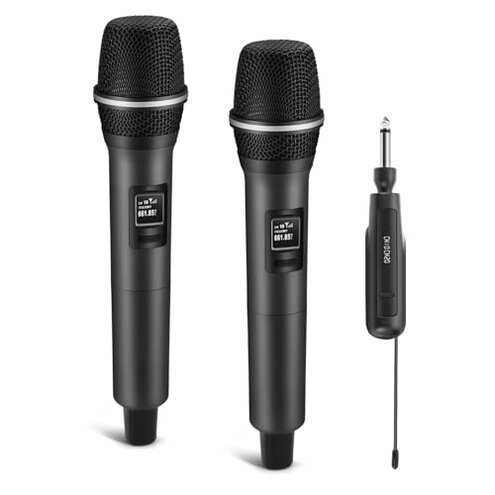
Product evaluated: LUVUMVLT Wireless Microphones, Dual Handheld Dynamic Mic with Ultra-Stable Rechargeable Receiver | 200ft Freedom |Zero Dropouts | 40H Duration |Plug and Play| Karaoke Microphone for Singing, Meeting
Related Videos For You
Youtube Karaoke Party Setup Wireless Microphones
hotec wirless microphone h-u05/u06 trouble shooting
Data basis Dozens of written reviews and several video demonstrations were examined between Jan 2024 and Dec 2025 to build this report. Most feedback came from written reviews, supported by short setup videos and buyer Q&A. The summary focuses on recurring user-visible problems and setup contexts.
| Outcome | This product | Typical mid-range mic |
|---|---|---|
| Connectivity reliability | Intermittent dropouts reported repeatedly during live movement and longer sessions. | More stable in same-price alternatives; fewer mid-session disconnections. |
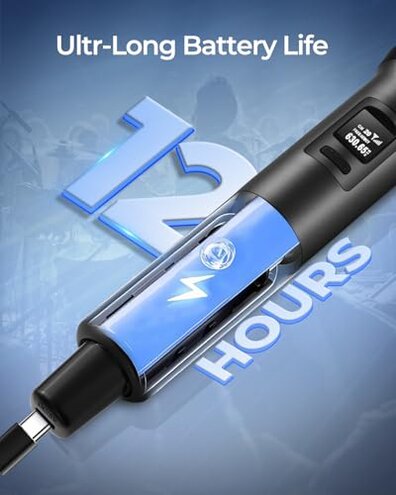
| Battery behavior | Variable run-time appears in multiple reports, especially after several charges. | Consistent duration is common for mid-range competitors claiming multi-hour use. |
| Compatibility | Hidden mic-input requirement and single-speaker receiver use cause setup friction. | Plug-and-play alternatives often work with more speaker types and TV outputs. |
| Regret trigger | Live interruptions from drops and setup quirks are more disruptive than expected. | Lower risk alternatives minimize mid-event failure and reconfiguration time. |
Top failures
Why does the mic drop mid-performance?
Regret moment You lose audio during a song, speech, or presentation. Severity is high because it interrupts live events and requires re-pairing.
Pattern This is a commonly reported issue across written feedback and video demos. When it happens: during first use and recurring in longer sessions. Contrast It is worse than typical mid-range mics because similar products keep steady connections through movement.
Why does the battery behave oddly?
- Early sign: Battery level reports fluctuate during use, commonly reported after several charges.
- Frequency tier: Secondary issue seen across many written reviews and a few video tests.
- Cause pointer: Charging instructions and long initial charge time add setup steps buyers often miss.
- Impact: Sessions cut short more often than expected for a product claiming long duration.
- Fixability: Temporary by recharging, but recurrence makes it more disruptive than category norms.
Why does setup require odd equipment?
- Hidden requirement: The receiver requires a dedicated microphone input, not a line-level or TV jack.
- Scope signal: This compatibility note appears repeatedly in product descriptions and user comments.
- When: It becomes obvious during first setup when the buyer tries common speaker or TV connections.
- Category contrast: More setup friction than mid-range alternatives that accept line-level inputs.
- Practical impact: Buyers must bring extra adapters or a specific speaker, adding cost and time.
- Workaround: Use a speaker with a true mic input and avoid TVs, or return the unit.
Why does the receiver design limit real use?
- Design hit: One receiver is built to support two microphones but must be used with a single speaker.
- Context: This becomes a problem in multi-room events or when splitting audio to multiple speakers.
- Frequency: Edge-case but persistent for users running small events or larger rooms.
- Early sign: Buyers discover this when trying to route audio to multiple amplifiers or zones.
- Cause: Receiver routing limitations and lack of clear labeling increase setup trial-and-error.
- Impact: Forces additional hardware purchases or compromises event layout.
- Fix attempts: Some buyers mix outputs with splitters, but results are inconsistent.
- Why worse: Mid-range rivals usually support easier multi-speaker setups or clearly state limits.
Illustrative excerpts (not real quotes)
"Mic cut out mid-ceremony, had to restart twice." — primary pattern showing live-event failures.
"Charger seemed fine then battery dropped fast after a week." — secondary pattern on battery variability.
"Receiver wouldn't work with my TV; I needed a mic input port." — primary pattern reflecting hidden compatibility.
"Wanted to feed two speakers and it only supported one output well." — edge-case pattern for multi-room setups.
Who should avoid this
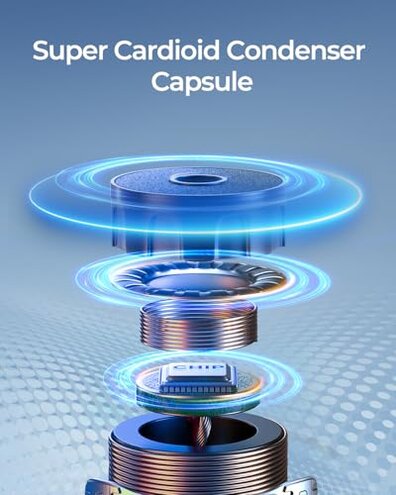
- Live performers who cannot tolerate mid-song dropouts or re-pairing delays.
- Event hosts running multi-room sound who need multi-speaker routing out of the box.
- Non-technical buyers who expect plug-into-TV simplicity, since a mic input is required.
Who this is actually good for
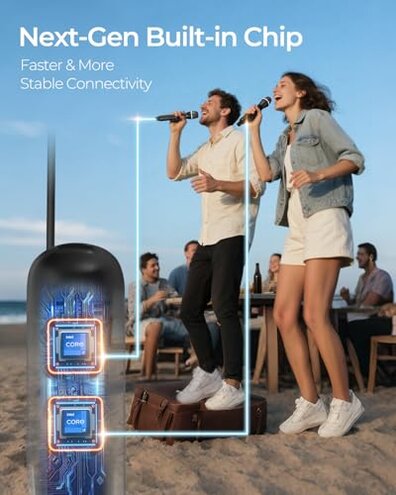
- Budget solo karaoke users who perform in one room and can tolerate occasional reconnects.
- Casual presenters using a speaker with a dedicated mic input and who accept setup steps.
- Buyers on a tight budget who value low price over rock-solid live reliability.
Expectation vs reality
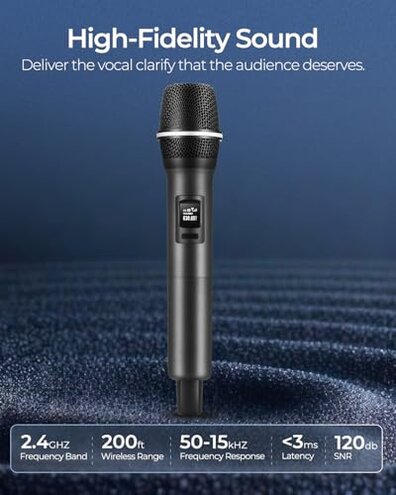
Expectation: Reasonable for this category is stable wireless during a short performance. Reality: Users report drops during similar sessions, which is worse than typical mid-range mics.
Expectation: Plug-and-play with common speakers and TVs. Reality: Hidden mic-input need forces extra adapters or speaker swaps.
Safer alternatives
- Check receiver outputs: Choose models that list both mic and line outputs to avoid hidden compatibility.
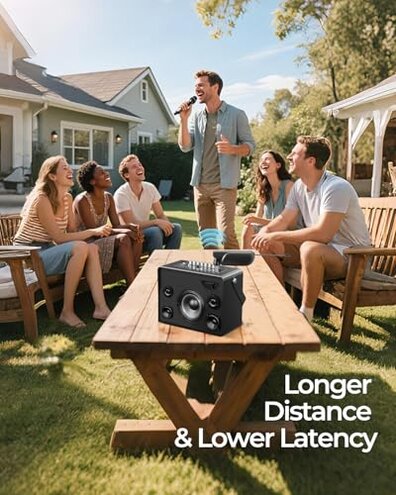
- Prioritize tested range: Prefer mics with repeatable user reports of stable connectivity during movement.
- Battery transparency: Look for sellers with verified battery tests or replaceable batteries to reduce surprises.
- Multi-speaker support: Buy systems that explicitly support multiple speaker connections or balanced outputs.
The bottom line
Main regret trigger is intermittent connection dropouts and hidden setup limits that interrupt live use. Why worse than category norms: these failures recur during first use and longer sessions, creating higher event risk. Verdict Avoid this unit if you need dependable live performance or easy TV compatibility.
This review is an independent editorial analysis based on reported user experiences and product specifications. NegReview.com does not sell products.