
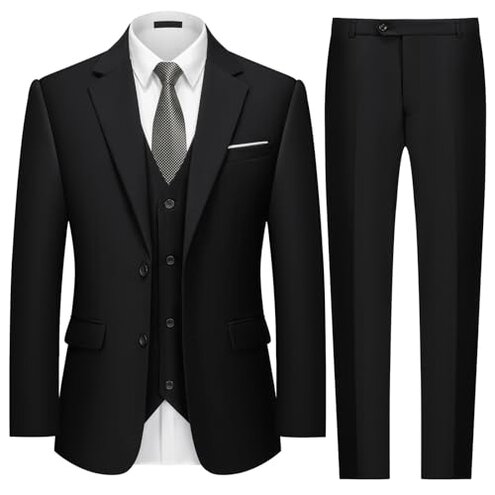
Product evaluated: MAGE MALE Mens Two Button 3-Piece Suits Slim Fit Tuxedo Set with Blazer Jacket Vest & Pants for Wedding Prom Business Black
Related Videos For You
3 Suit Mistakes 99% of Men Make
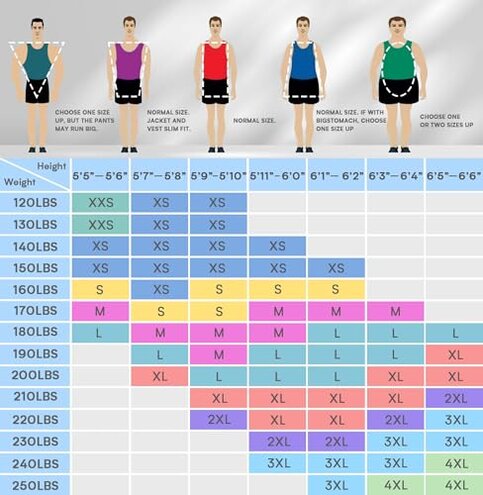
Suit Fit Guide
Data basis: This report draws on dozens of buyer reviews, video demonstrations and seller Q&A collected between 2023 and 2025, with most feedback coming from written reviews supported by videos.
| Outcome | MAGE MALE suit | Typical mid-range suit |
|---|---|---|
| Fit accuracy | Inconsistent: sizing often runs slim and varies by piece, creating extra tailoring needs. | Predictable: sizes align with standard measurements and need minor tailoring. |
| Fabric feel | Thin/less substantial: feels cheaper and shows wear faster than expected. | Heavier weave: mid-range suits feel more durable and resist abrasion better. |
| Durability | Higher risk: seams and lining issues appear after limited use more than typical. | Lower risk: stitching and lining hold through regular wear. |
| Alteration needs | Often required: buyers commonly report needing tailoring to achieve proper fit. | Occasional: a one-time hem or sleeve adjustment is usually enough. |
| Regret trigger | Fit + fabric mismatch: the combination causes the most buyer regret and extra cost. | Single issue: regret is typically just minor fit adjustments. |
Top failures
Why does the suit feel too small or uneven?
Regret moment: The jacket or pants feel tight on first wear, especially in the chest and thighs, forcing immediate returns or tailoring.
Pattern: This is a primary issue that appears repeatedly across buyer feedback.
Usage anchor: Tightness shows up at the first use and worsens when moving, sitting, or after buttoning for events.
Category contrast: More disruptive than normal because mid-range suits usually fit within one alteration, while this set often needs multiple fixes.
How bad is the fabric and comfort?
- Early sign: The fabric feels thin and slightly synthetic on first touch, not the wool-like hand buyers expect.
- Frequency tier: This is a secondary issue that appears commonly in written feedback.
- Cause clue: The overall material weight and finish contribute to a cheaper appearance under event lighting.
- Impact: Fabric shows surface wear and creases more visibly after a single wear.
Will the jacket or pants fall apart quickly?
- Early sign: Loose threads and pucked seams noticed after initial wears indicate stitch problems.
- Frequency tier: This is a secondary issue reported often enough to flag durability risk.
- Cause: Reinforcement and lining workmanship appear inconsistent across pieces.
- Impact: Repairs or re-stitching add time and cost after only a few events.
- Attempts: Buyers commonly tried simple fixes but found professional tailoring necessary for lasting repair.
- Fixability: Repairable, but the effort is greater than for most mid-range suits and affects overall value.
Is special care required that buyers miss?
- Hidden requirement: The suit effectively needs dry cleaning to avoid shrinking and fabric breakdown.
- When it appears: Issues arise after the first home wash or heavy steaming attempts.
- Frequency tier: This is a primary issue for buyers who try to hand-wash.
- Impact: Dry-clean-only care adds expense and logistics before every event.
- Why worse: More upkeep than most mid-range alternatives that tolerate gentle home care.
- Practical result: Expect wrinkling, misshapen collars, and waistband drift without professional care.
- Buyer workaround: Some buyers accept the cost of repeated dry cleaning, reducing overall savings.
Illustrative excerpts (not real quotes)
Excerpt: "Jacket buttoned but chest pulls when I sit, looks strained at photos." Pattern: primary.
Excerpt: "Fabric felt thin under stage lights and creased after one wear." Pattern: secondary.
Excerpt: "I hand-washed and the lining puckered; had to dry clean to fix." Pattern: edge-case.
Who should avoid this
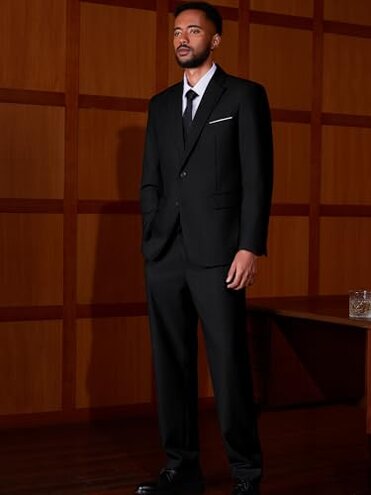
- Buyers needing ready-to-wear fit: avoid if you expect accurate fit without tailoring.
- Frequent travelers: avoid if you want low-maintenance suits that survive regular packing and cleaning.
- Event professionals: avoid if you rely on durable fabric for repeated wear.
Who this is actually good for

- Budget short-term use: good if you need an inexpensive suit for one-off events and accept tailoring.
- Tailoring enthusiasts: good if you plan to invest in alterations to fix fit and are comfortable with dry-clean care.
- Casual wearers: good if you prioritize price over longevity for occasional office or prom wear.
Expectation vs reality
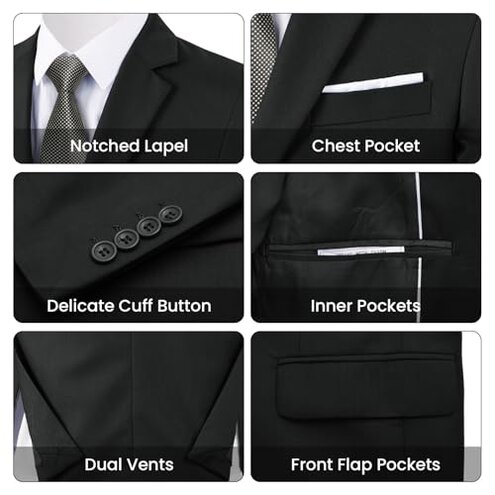
Expectation (reasonable for this category): buyers expect a suit that needs a single minor alteration.
Reality: this suit often requires multiple tailoring steps and professional repairs, adding time and expense.
Expectation: fabric will hold shape after normal wear.
Reality: fabric shows creased wear and thinning sooner than typical mid-range suits.
Safer alternatives
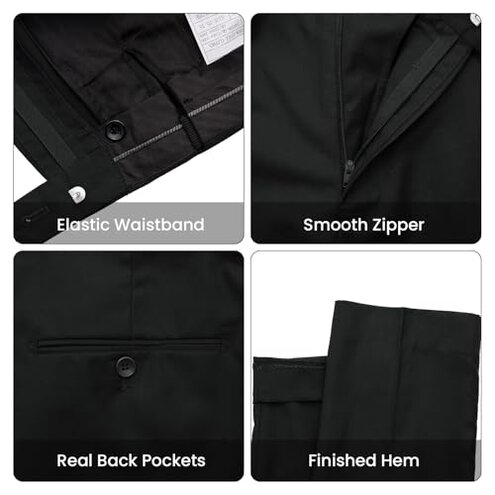
- Pick standard-fit brands: choose sellers known for consistent sizing to avoid multiple alterations.
- Check fabric weight: prefer suits with described heavier weave or wool blends to reduce early wear.
- Confirm return policy: buy from retailers with easy returns and free tailoring allowances for peace of mind.
- Ask about lining and stitches: request close-up photos or videos to spot loose seams before purchase.
The bottom line
Regret trigger: the main problem is inconsistent fit combined with thin fabric that creates extra tailoring and care costs.
Verdict: avoid this suit if you want reliable ready-to-wear performance, because its issues exceed normal category risk and add real time and expense.
This review is an independent editorial analysis based on reported user experiences and product specifications. NegReview.com does not sell products.