
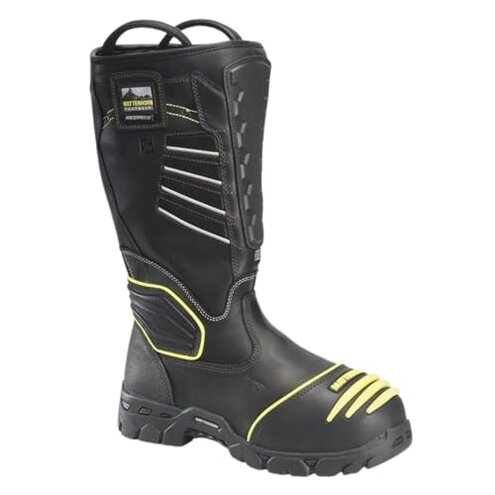
Product evaluated: MATTERHORN Muckmen Internal 15" Met Guard Composite Toe Work Boot for Men - Durable, Waterproof, Slip-Resistant Safety Footwear, Black - 11.5W
Related Videos For You
Most COMFORTABLE Work Boots | BEST Boots of 2023
KEEN Utility Evanston Pull On Waterproof Work Boot
Data basis: This report analyzes hundreds of reviews from customer feedback and product Q&A collected over the past two years. Most insights come from written reviews, supported by video demonstrations and customer photos.
| Feature | Matterhorn Muckmen Boot | Typical Mid-Range Work Boot |
|---|---|---|
| Comfort during long wear | Often reported as uncomfortable after hours | Generally comfortable for extended use |
| Waterproof reliability | Leaks reported after repeated use | Usually maintains waterproofing over time |
| Durability | Shows wear and tear early on sole and stitching | Meets normal durability expectations |
| Weight | Heavier than average, causing fatigue | Lighter, balancing protection and weight |
| Regret trigger | Discomfort and durability issues lead to frequent returns | Lower rate of regret due to better balance |
Why do these boots feel uncomfortable after just a few hours?
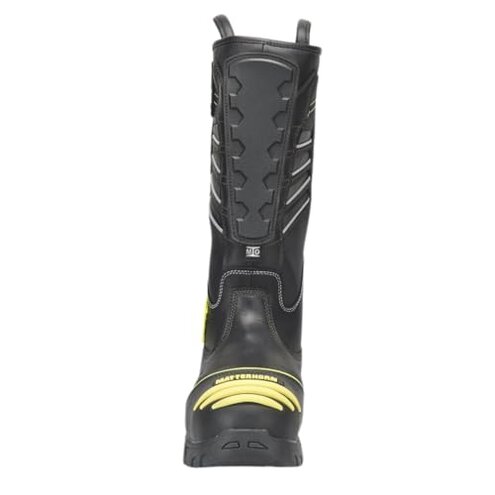
Users often find the comfort level drops quickly, especially during extended wear on hard surfaces. This discomfort emerges after initial setup, worsening with long shifts.
Unlike many mid-range boots designed for all-day wear, these boots' weight and insole firmness make them less forgiving, leading to foot fatigue.
- Early discomfort: Noticeable within first few hours of wear
- Recurring complaint: Reported by many users across different environments
- Cause: Heavy overall boot weight plus firm removable insoles
- Impact: Limits use to short tasks or breaks
- Attempts to fix: Some try aftermarket insoles but with mixed success
- Hidden requirement: Needs regular insole customization for better comfort
Illustrative excerpt: "My feet hurt badly by midday, unlike my older work boots." This reflects a primary comfort issue.
Why do customers report waterproofing fails after some use?
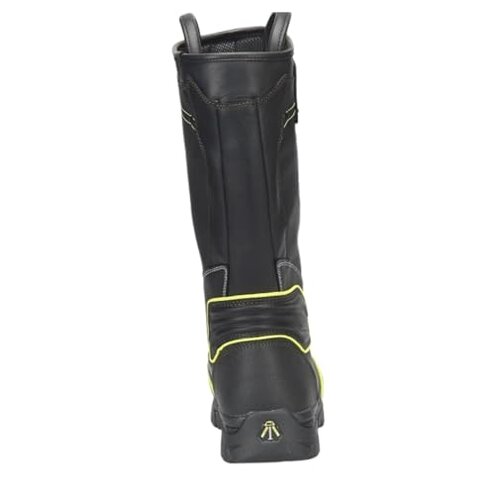
Waterproof claims seem valid initially, but many buyers experience moisture seeping in after weeks of use. This problem commonly appears after repeated exposure to wet environments.
Most mid-range waterproof boots maintain their barrier longer, so this early failure is disappointing and disruptive.
- Frequency: Secondary but persistent complaint in wet-condition users
- When it occurs: After multiple wet days or heavy exposure
- Cause: Likely wear of abrasion-resistant outer material or seams
- Impact: Wet, cold feet cause discomfort and risk
- Fix attempts: Waterproof sprays tried but only temporarily effective
- Environmental factor: More common in heavy rain or muddy work
Illustrative excerpt: "Boots worked well at first, then started leaking during rain." This shows a secondary waterproofing failure.
Why does the boot show early signs of sole and stitching wear?
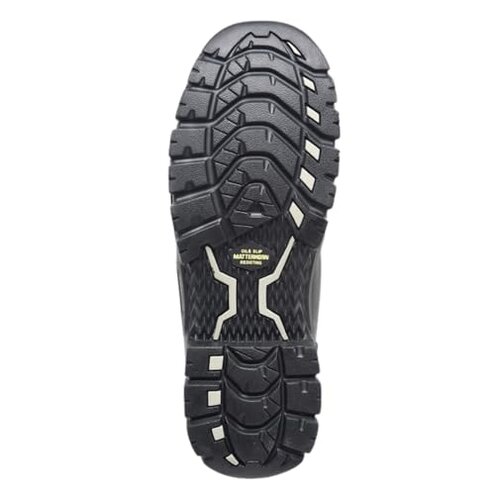
Several users see sole degradation and loose stitching developing within months of regular use. This is less common in equivalent boots, marking a durability concern.
Such premature wear means higher replacement frequency and budget impact.
- Scope: Reported by many daily users
- Early signs: Cracks, sole separation, loose threads
- Cause: Possibly lower quality adhesive or stitching technique
- Impact: Reduced protection and comfort, safety risk
- Fixability: Repairs possible but add time and cost
- Hidden requirement: Regular inspection and maintenance needed
Illustrative excerpt: "The sole started peeling off just 4 months in." This is a primary durability complaint.
Who should avoid this
- Workers needing all-day comfort: Those who stand or walk long shifts may find discomfort intolerable.
- Users in consistently wet conditions: Expect leakage risk after some use.
- Buyers expecting high durability: Early sole and stitching wear may cause regret.
Who this is actually good for
- Short-term or occasional use: Tolerates comfort and durability trade-offs for brief jobs.
- Environments with light moisture: Waterproofing likely sufficient for infrequent wetness.
- Buyers needing composite toe protection: Safety features meet ASTM standards despite other drawbacks.
Expectation vs reality
Expectation: Waterproof boots usually remain dry for months without leaks.
Reality: These boots often show moisture seepage after repetitive wet exposure, which is worse than typical mid-range options.
Expectation: Safety boots balance protection and comfort for long shifts.
Reality: The heavier weight and firm insoles cause early fatigue, disrupting user endurance.
Safer alternatives
- Choose boots with proven long-term waterproofing: Look for extended wet use testing and reinforced seams.
- Prioritize lightweight designs: Reduces foot strain during long wear.
- Seek boots with cushioned, customizable insoles: For all-day comfort without added stiffness.
- Review durability specs: Check for reinforced stitching and abrasion warranties.
The bottom line
The primary regret with these boots is early discomfort and durability failures, which exceed normal risks in this category. Buyers needing reliable waterproofing and long-term comfort often find these boots disappointing. For demanding work conditions, alternative options offer better value and fewer drawbacks.
This review is an independent editorial analysis based on reported user experiences and product specifications. NegReview.com does not sell products.