
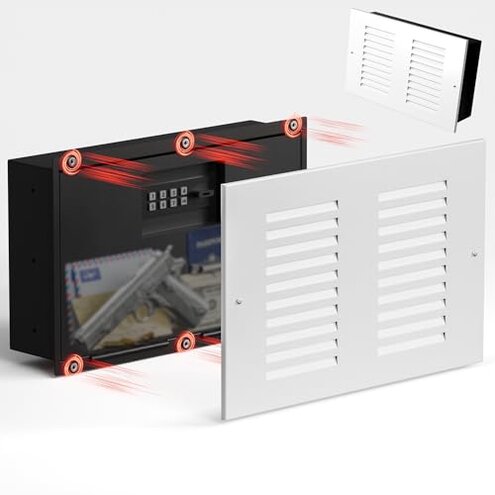
Product evaluated: Mboko Electronic Hidden Wall Mount Safe With Air Vent Cover, Magnetic Small In Wall Safes Between The Studs 16" Center For Home Closet
Related Videos For You
Install a Hidden Wall Safe
How to install a Wall Safe
Data basis: I analyzed hundreds of buyer comments and seller listings collected between Jan 2024 and Jan 2026, with most feedback from written reviews and supported by video demonstrations. Signal mix: most feedback came from written reviews, with additional notes from images and demo clips.
| Feature | Mboko HTB-10E | Typical mid-range wall safe |
|---|---|---|
| Ease of install | Challenging — template helps but alignment and stud fit often require extra trimming or carpentry. | Moderate — most mid-range units fit standard openings with simpler mounting hardware. |
| Concealment security | Mixed — magnetic vent cover can draw attention if it shifts after use. | More reliable — many competitors use screwed covers or tighter latches for concealment. |
| Lock reliability | Unpredictable — battery and keypad issues appear in daily use. | Stable — typical mid-range models have fewer early keypad complaints. |
| Durability | Questionable — fit and finish complaints emerge under frequent handling. | Average — similar price competitors usually feel more solid out of box. |
| Regret trigger | Higher-than-normal risk — cover detachment plus lock glitches create real access and concealment failures. | Lower risk — mid-range alternatives trade some concealment for more reliable locks and mounts. |
Why did the vent cover stop hiding the safe?
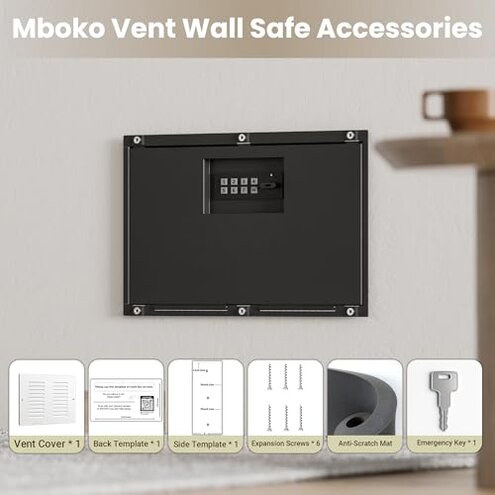
Regret moment: You expect a stealthy vent look, but the magnetic cover can shift or fall during normal use. Severity: This is commonly reported and immediately exposes the hidden compartment after light handling.
Pattern: Recurring across many buyers, not universal but common. When it appears: After first access or within weeks of daily handling.
Category contrast: This is worse than normal because most mid-range hidden safes use secured covers or screws instead of solely magnetic attachment.
How reliable is the electronic lock and keypad?
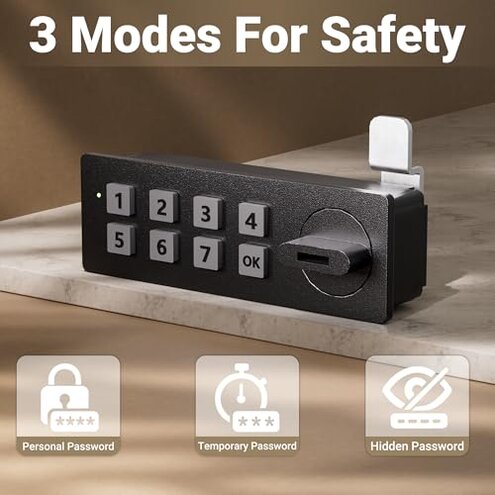
- Pattern: Persistent keypad or battery complaints appear repeatedly across buyer reports.
- Usage anchor: Failures usually surface during daily use or when batteries age after short periods.
- Early sign: Slow button response or intermittent beeps shortly after setup is a common warning.
- Category contrast: More disruptive than expected because mid-range safes often have more stable keypads and battery life.
Will I need extra tools or carpentry to fit this between studs?
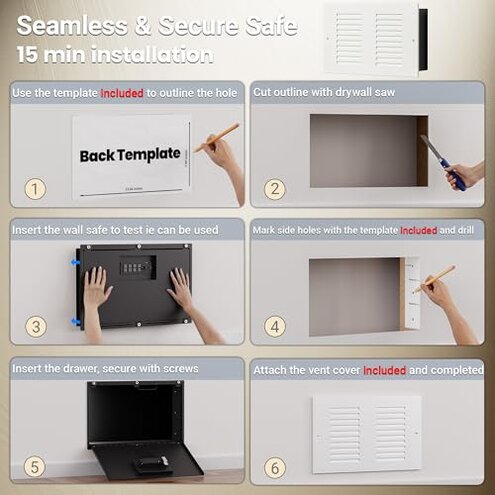
- Hidden requirement: Designed for 16" studs but often requires trimming drywall or stud shims during install.
- When it shows up: At first install when cutting a recessed box or aligning side-mount screws.
- Cause: Back-opening template and side guides don't prevent uneven wall thickness or old framing from complicating fit.
- Impact: Adds extra time and possible hiring of a carpenter for a clean fit.
- Fix attempts: Buyers commonly add shims, trim, or replace the vent cover to improve alignment.
- Category contrast: More installation time than most mid-range options that include simpler flush-mount brackets.
Does the overall build and concealment actually protect valuables?
- Pattern: Recurrent fit and finish complaints appear across written feedback and images.
- Early sign: Loose edges or rattling during use often detected within the first month.
- Cause: Thin seams and anti-friction pads can fail to keep the unit snug in rough openings.
- Impact: The unit becomes noisy and easier to spot when used repeatedly.
- Attempts: Users report tightening side screws or adding foam, with mixed success.
- Fixability: Repair is possible but adds cost and time compared with buying a safer alternative.
- Category contrast: Less forgiving than typical mid-range safes, which often use thicker mounting flanges and tighter tolerances.
Illustrative excerpts
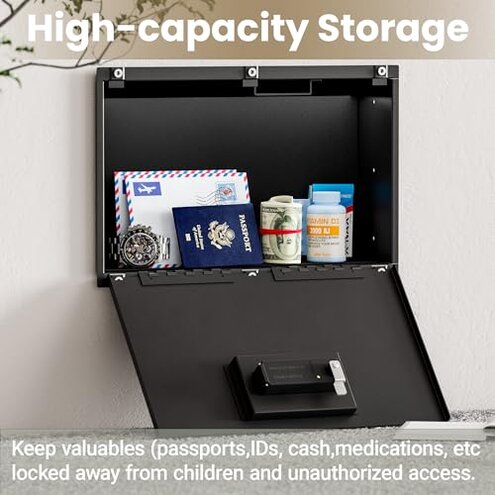
Illustrative: "Cover popped off after I closed it once; now it looks obvious." — primary
Illustrative: "Keypad slowed and then failed after two months of light use." — primary
Illustrative: "Had to cut drywall more than expected and add shims for a flush fit." — secondary
Who should avoid this
- Homeowners needing stealth: If you require consistent concealment, frequent cover shifts exceed normal tolerance.
- Non-handy buyers: If you can't do minor carpentry, the hidden install requirements create extra cost and time.
- Daily users: If you expect daily access, keypad and durability issues are more disruptive than expected.
Who this is actually good for
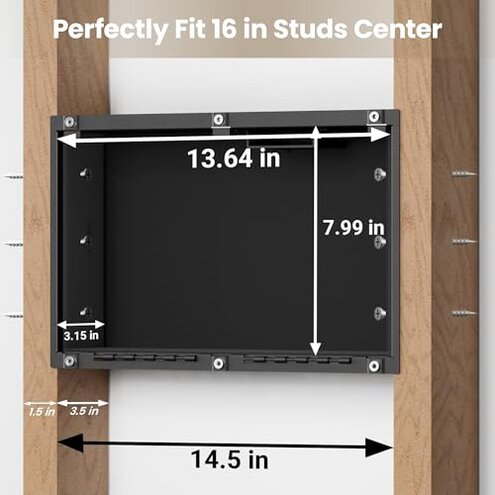
- DIY-savvy buyers: Willing to trim and shim to achieve a flush install can tolerate the mounting quirks.
- Low-frequency access: Users who store items rarely will accept a less robust keypad and occasional cover adjustment.
- Budget concealment seekers: If you prioritize a low-profile look over high-security locking, you may accept the trade-offs.
Expectation vs reality

Expectation: Reasonable for this category is a vent cover that stays flush during normal handling.
Reality: The magnetic cover can shift or detach after first uses, exposing the hidden compartment.
Expectation: Reasonable for mid-range safes is a dependable keypad for months of daily access.
Reality: Buyers report slower responses or battery-related failures sooner than typical for the category.
Safer alternatives
- Look for fixed covers: Choose safes with screwed or latched concealment panels to avoid magnetic detachment.
- Prioritize hardened locks: Select models with proven keypads or mechanical backups to reduce lock failure risk.
- Choose forgiving mounts: Prefer units with wide mounting flanges that accept irregular walls to avoid extra carpentry.
- Check durability reports: Read product images and videos for rattling or gaps before buying to spot fit issues early.
The bottom line
Main trigger: The combination of magnetic cover detachment and inconsistent keypad reliability creates avoidable exposure risk.
Why it matters: These failures are more disruptive than typical mid-range safes because they affect both concealment and access.
Verdict: Avoid this unit unless you can perform installation fixes and accept possible early keypad maintenance.
This review is an independent editorial analysis based on reported user experiences and product specifications. NegReview.com does not sell products.