
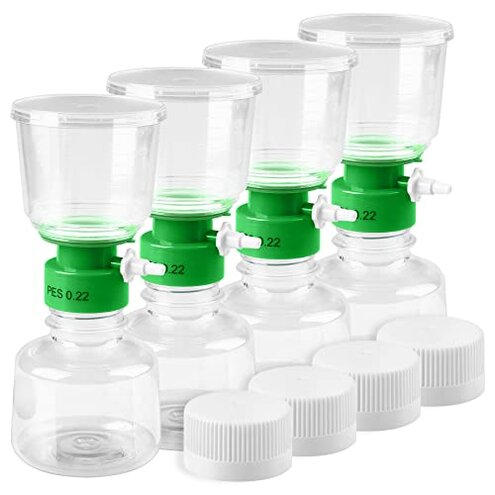
Product evaluated: Membrane Solutions Sterile Disposable Vacuum Filter Units with 0.22um PES Membrane, 250mL, 4/CS
Related Videos For You
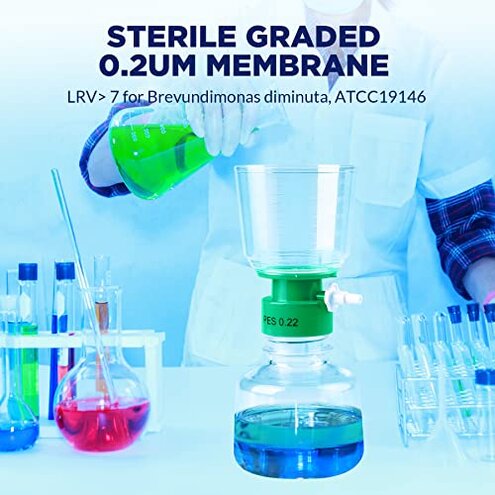
Vacuum Filtration Setup
How to use bottle top filter
Data basis I analyzed dozens of buyer reviews, Q&A posts, and video demonstrations collected Jan 2020 through Feb 2026, with most feedback from written reviews supported by videos.
| Outcome | Product | Mid-range alternative |
|---|---|---|
| Filter speed | Slower than expected under vacuum for protein-rich media. | Typical mid-range units maintain steadier flow with similar loads. |
| Seal reliability | Higher risk of leaking or losing vacuum during use. | Lower risk seals are common in mid-range alternatives. |
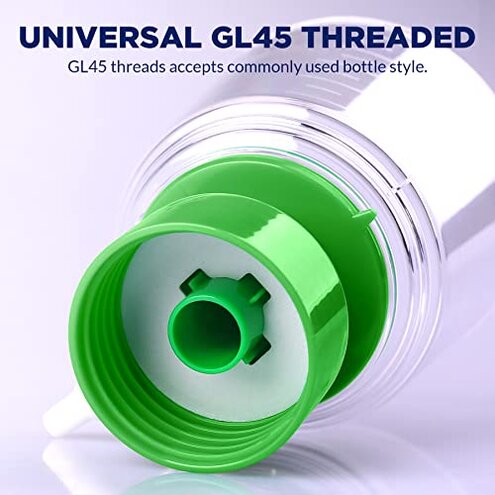
| Compatibility | Requires precise 45mm neck bottles or adapters to avoid failures. | More forgiving options accept multiple neck sizes or include adapters. |
| Cost per unit | Higher effective cost if units clog or fail mid-run. | Better value found in alternatives with fewer failures. |
| Regret trigger | Frequent interruptions during filtration runs due to fit and flow issues. | Fewer interruptions for common lab workflows. |
Top failures
Why does it leak or lose vacuum mid-run?
Regret moment Many buyers notice vacuum loss during the first filtration, which stops the run and wastes material.
Pattern This problem appears repeatedly across written feedback and videos, not for every user but commonly enough to disrupt workflows.
Usage context The issue shows up under active vacuum with larger volumes or when the unit is bumped during transfer.
Category contrast This is more disruptive than typical disposables because mid-range units usually maintain seal during normal handling.
Why does flow slow or membrane clog with media?
- Early sign: Flow starts fast then drops after filtering serum or dense media.
- Frequency tier: This is a primary issue for users filtering protein-containing solutions.
- Likely cause: Membrane resistance increases with protein load despite claims of low binding.
- Impact: Runs take longer and need repeated attempts or extra filters to finish.
- Fixability: Partial: pre-clarifying samples or using larger pore flow setups reduces clogging but adds steps.
Why won't it fit my bottle without extra parts?
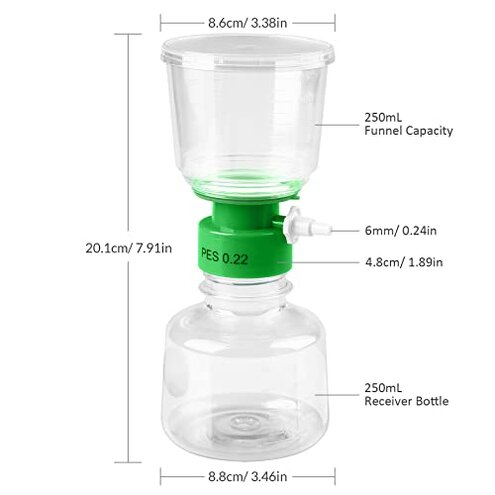
- Hidden requirement: Product requires a true 45mm neck bottle for a reliable seal.
- Early sign: Audible air hiss or visible drips at the neck during first use.
- Scope signal: Compatibility complaints appear across written reviews and customer questions.
- Frequency tier: This is a secondary issue for buyers who assumed universal fit.
- Cause: Slight neck diameter variance or missing adapter leads to incomplete seating.
- Impact: You must buy adapters or specific bottles, adding cost and time.
- Category contrast: Less forgiving than many mid-range filters that include multi-size adaptors.
Why are parts fragile or feel overpriced?
- Early sign: Cracks in the plastic housing reported after multiple uses or rough handling.
- Frequency tier: Edge-case issue but more common when users apply strong vacuum or reuse parts.
- Cause: Lightweight construction that saves cost but reduces durability.
- Impact: Breakage leads to wasted sterile units and repeat purchases.
- Attempts: Some buyers reduced vacuum strength or handled units more gently, with partial success.
- Fixability: Not practical for many labs; replacing with sturdier units is the usual solution.
- Value contrast: Net cost per successful run becomes worse than mid-range alternatives.
- Hidden cost: Added downtime and replacement orders raise overall expenses.
Illustrative excerpts
Illustrative: "Filter stopped mid-run with a loud hissing leak, lost sample and time." — reflects a primary pattern.
Illustrative: "Flow slowed after 50 mL of media; needed a second unit to finish." — reflects a secondary pattern.
Illustrative: "Adapter required; my bottle didn't seat despite being labeled 45mm." — reflects an edge-case pattern.
Who should avoid this
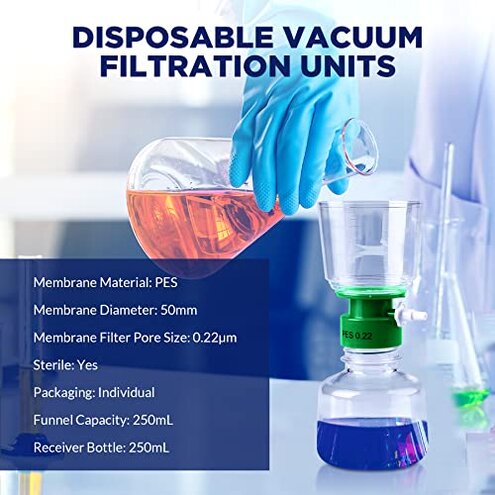
High-throughput labs that cannot tolerate interruptions should avoid this product due to repeated flow and seal failures.
Groups without adapters or access to exact 45mm bottles should avoid it because compatibility is a hidden requirement.
Teams needing durable parts for repeated runs should avoid it, since fragility raises replacement costs.
Who this is actually good for
Single-use testers who run small batches and can accept occasional slow flow may still find this acceptable.
Users on tight budgets who can plan for backups or adapters can tolerate the price and hidden costs.
Non-critical educational labs that use it for demonstrations and can work around leaks or slower runs.
Expectation vs reality
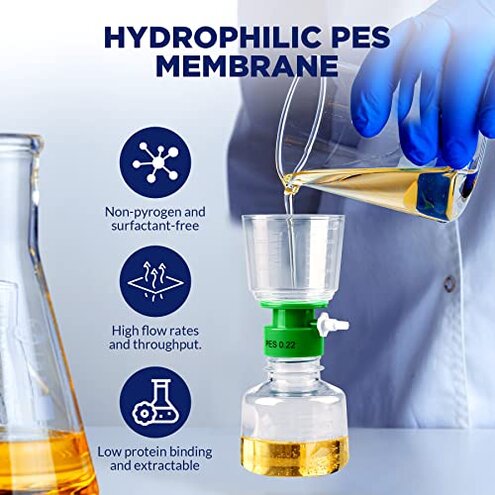
Expectation: Buyers reasonably expect a disposable filter to seat easily and run the job once without adapter hunting.
Reality: Many users encounter a mismatched fit and interrupted runs, making it worse than expected for everyday lab work.
Expectation: Reasonable mid-range filters keep steady flow with protein media.
Reality: This product often slows or clogs on protein-rich samples, increasing time and cost.
Safer alternatives
- Pick units that include multi-size adapters to neutralize the bottle-fit failure.
- Choose membranes rated for high-protein throughput to reduce clogging during media filtration.
- Prefer sturdier housings when you need repeated use to avoid fragility and replacement costs.
- Buy spares or plan redundancy if you must use this product for critical runs.
The bottom line
Main regret: The most common trigger is vacuum loss and slow flow caused by fit and membrane limitations.
Why it matters: These problems make the product riskier than typical mid-range disposable filters for regular lab workflows.
Verdict: Avoid for high-volume or critical sterile filtration unless you can supply exact 45mm bottles, adapters, and redundancy.
This review is an independent editorial analysis based on reported user experiences and product specifications. NegReview.com does not sell products.