
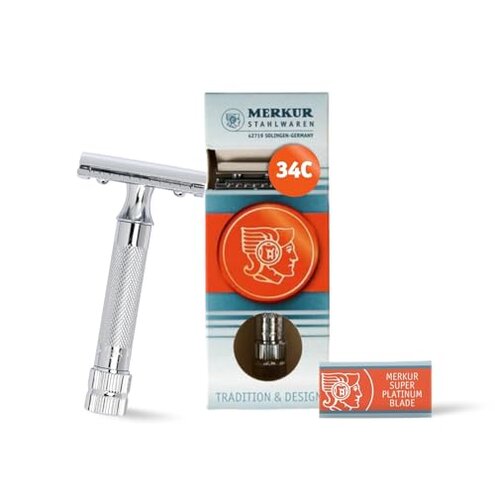
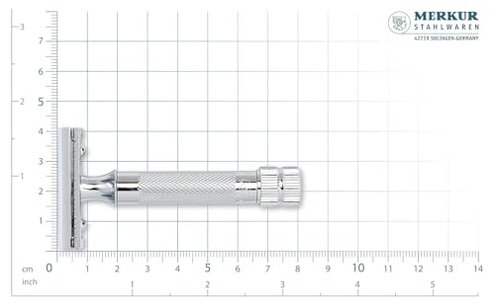
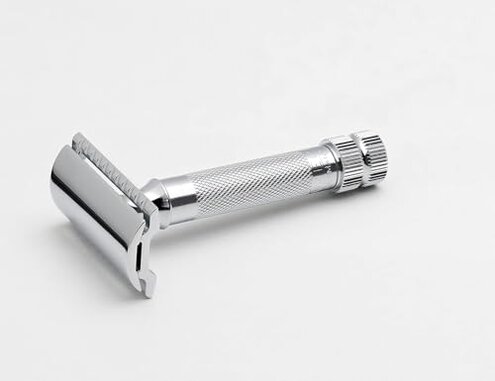
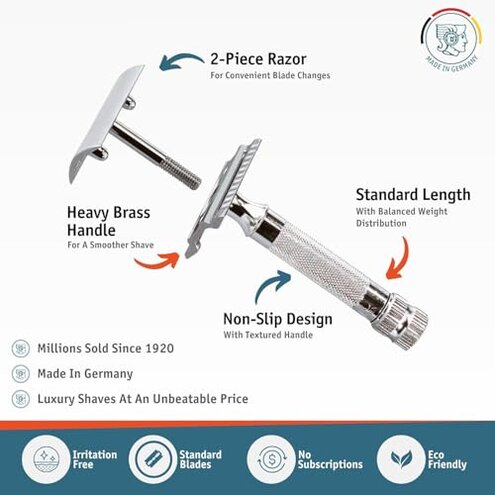
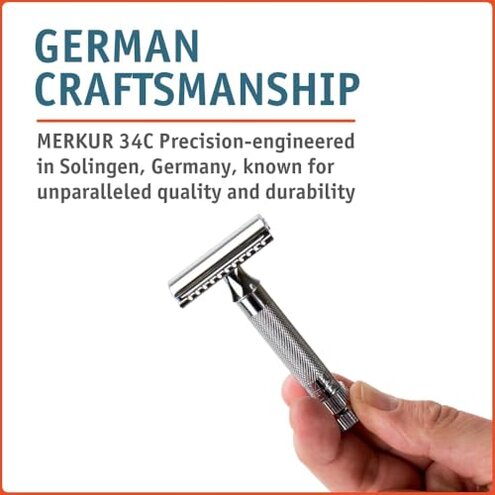
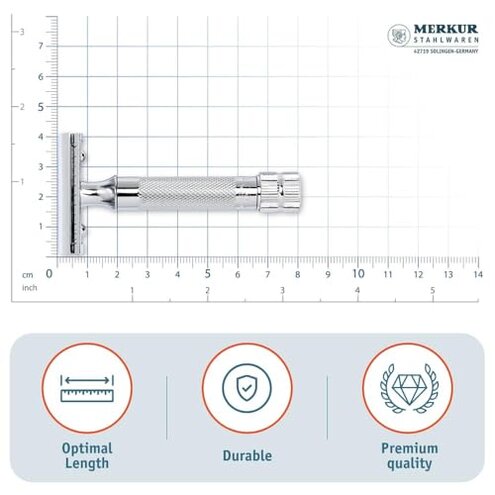
Product evaluated: Merkur Mk34c Double Edge Razor with Heavy Duty Short Handle
Related Videos For You
Tutorial: Learn How To Shave With a Safety Razor
Safety Razor Cleaning and Care!
Data basis: I analyzed dozens of buyer reviews and product tests collected between 2016 and 2025. Sources: most feedback came from written reviews, supported by video demonstrations and comparison write-ups.
| Outcome | Merkur Mk34c | Typical mid-range DE razor |
|---|---|---|
| Closeness | Very close shave but requires precise angle and steady hand. | Close enough with more forgiving angle range for most users. |
| Nicks & irritation | Higher risk of nicks for beginners during early uses. | Lower risk due to milder geometry and longer handles. |
| Learning curve | Steep—short heavy handle amplifies technique errors. | Milder—easier for daily users to adapt quickly. |
| Maintenance | Moderate upkeep to avoid finish wear and trapped soap in the head. | Lower upkeep designs channel soap and are easier to rinse. |
| Regret trigger | Control loss during regular shaves causes repeated nicks and time lost. | Minor adjustments needed but fewer shave interruptions for most buyers. |
Top failures
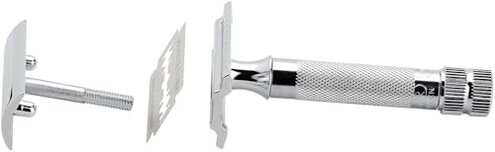
Why does it feel hard to hold steady?
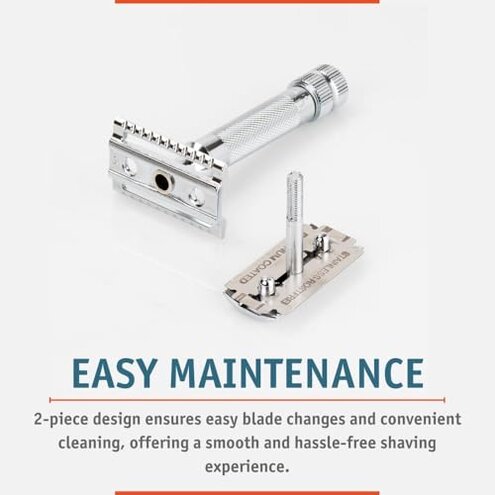
Regret moment: The short, heavy handle makes angle control feel awkward and unforgiving on first few shaves.
Pattern: This is a commonly reported issue that appears during the first several uses and often improves with practice.
Context: Problem appears while wet, when hands are slippery, and during quick daily shaves.
Category contrast: Worse than most mid-range razors because typical alternatives have a longer grip for leverage and forgiving geometry.
Is this razor causing more nicks than expected?
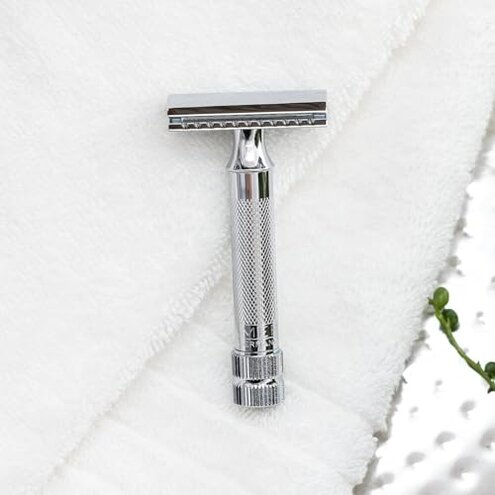
- Primary sign: Frequent small cuts during first 5–10 shaves, then slowly decreasing.
- Frequency tier: Primary issue across dozens of buyer reports, not universal but common.
- When it shows up: Appears on first use and resurfaces with rushed or dry shaving.
- Cause: Short handle plus rigid head tolerances demand precise wrist angle.
- Impact: More time cleaning nicks and using styptic, which is more disruptive than typical for this category.
Will the finish and parts last under daily use?
- Early sign: Dull spots or minor plating wear after months of frequent use.
- Pattern: Secondary issue reported across written feedback and maintenance videos.
- When it shows up: After repeated wet use without careful drying and storage.
- Cause: Close metal contact and soap deposits can accelerate surface wear over time.
- Impact: Cosmetic degradation that may affect resale or collector value.
- Fixability: Moderate—requires drying, occasional polishing, and careful storage to slow progression.
Do I need special technique or blades to get good results?
- Hidden requirement: Blade choice and angle are more important than expected for acceptable comfort.
- Early signs: Razor feels overly aggressive with sharper blades straight away.
- Frequency tier: Primary to secondary—commonly reported by buyers who switch blades or adjust angle.
- When it shows up: During the first several shaves and when changing blade brands.
- Cause: Generous blade gap and closed comb design amplify blade performance differences.
- Impact: Adds extra time and cost for testing blades and mastering technique.
- Category contrast: More hidden setup than average mid-range razors, which are often more forgiving with blade choice.
Illustrative excerpts
Illustrative: "Short handle felt awkward, cut my neck twice first week." — Primary pattern.
Illustrative: "Needed different blade brands to stop tugging and irritation." — Secondary pattern.
Illustrative: "Finish showed tiny blemishes after six months with heavy use." — Edge-case pattern.
Who should avoid this
- Beginners: If you want a plug-and-play razor, avoid this due to the steep technique demand.
- Those with shaky hands: Avoid if you need long handles for leverage and control.
- Low-maintenance users: Avoid if you won’t dry and store the razor carefully to limit surface wear.
Who this is actually good for
- Experienced wet shavers: You’ll tolerate the learning curve for a very close shave and precise feel.
- Collectors: You want classic German styling and you will maintain the finish carefully.
- Budget-focused shavers: You want low blade cost per shave and are willing to test blades for comfort.
Expectation vs reality
Expectation: Reasonable for this category is a sturdy metal razor that improves with a few uses.
Reality: This model often demands more practice and blade testing than typical mid-range razors, causing early regret.
- Expectation: Easy grip and control out of the box.
- Reality: Short handle reduced leverage and increased nicks until technique adjusted.
Safer alternatives

- Choose longer handle models: Look for mid-range DE razors with longer grips to neutralize the control failure.
- Pick milder head geometry: Select razors marketed as "mild" to reduce nick risk and match beginner tolerance.
- Plan blade testing: Budget for trying 3–5 blade brands to find a compatible sharpness profile.
- Adopt drying routine: Dry and store the razor after each use to slow finish wear and trapped soap issues.
The bottom line
Main regret: The short heavy handle amplifies control problems and increases early nicks for many buyers.
Why it matters: This exceeds normal category risk because it requires extra technique, blade testing, and maintenance.
Verdict: Avoid this Merkur if you want low fuss and forgiving performance; consider longer-handle, milder alternatives instead.
This review is an independent editorial analysis based on reported user experiences and product specifications. NegReview.com does not sell products.