
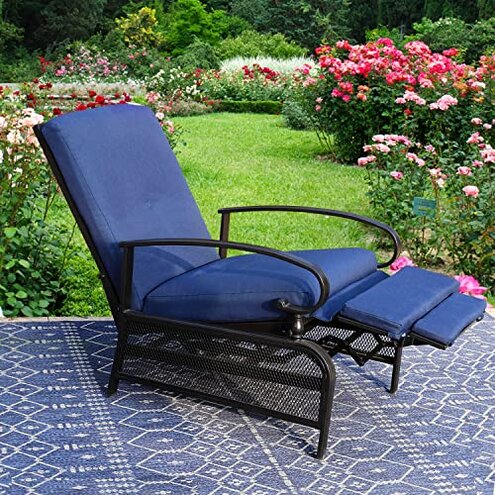
Product evaluated: MFSTUDIO Patio Adjustable Recliner Chair, Outdoor Metal Reclining Lounge Chair with 100% Olefin Removable Cushion, Outdoor Adjustable Lounge Chairs for Porch, Lawn, (Navy Blue)
Related Videos For You
755 0590 007 001 Installation video of MOOR Indoor & Outdoor Recliner
Best Amazon Outdoor Patio Recliner - Kozyard Furniture - Unboxing & Assembly!
Data basis: This report aggregates dozens of buyer feedback items collected from written reviews, star ratings, and a smaller set of photo-based posts over a multi-month window ending in early 2026. Most signals came from longer written comments, with supporting detail from images showing real setup and outdoor placement. The focus here is on repeatable negatives that affect day-to-day use, not brand claims.
| Buyer outcome | MFSTUDIO recliner chair | Typical mid-range alternative |
|---|---|---|
| Setup experience | Higher risk of time-consuming assembly and alignment frustration | Lower risk with simpler, more forgiving assembly |
| Recline feel | More “body-position sensitive” and can feel abrupt for some | More predictable recline action with clearer stopping points |
| Cushion behavior | More slipping and re-positioning complaints during longer sits | Less frequent shifting with better anchoring |
| Outdoor upkeep | Higher-than-normal “looks good, needs babysitting” pattern outdoors | More tolerant of routine patio exposure |
| Regret trigger | Paying for comfort but spending extra effort to keep it usable | Accepting slightly less plush feel for less daily hassle |
Top failures
“Why is assembly taking so long?”
Regret moment: You plan a quick patio upgrade, then you’re still sorting parts and re-checking steps. This is among the most common frustration patterns for this chair category.
Pattern: The “not hard, just annoying” theme appears repeatedly, especially from buyers assembling alone. The problem shows up during setup, and worsens when you try to keep everything square while tightening.
Category contrast: Most mid-range outdoor loungers still need assembly, but this one is less forgiving about alignment and sequence. That makes the time cost feel more disruptive than expected.
- Early sign: If holes feel slightly off, you may need loosening and re-tightening steps.
- Primary tier: Setup complaints show up frequently compared with comfort praise.
- Trigger moment: Problems peak when attaching the recline sections and trying to keep them level.
- Hidden requirement: A second person helps hold the frame square, which adds extra coordination.
- Time cost: Buyers often describe it as taking longer than planned for one chair.
- Fixability: Some report success by leaving bolts loose until final alignment, but it still adds extra steps.
- Quality cue: Hardware feel and fit is described as inconsistent, not universally bad.
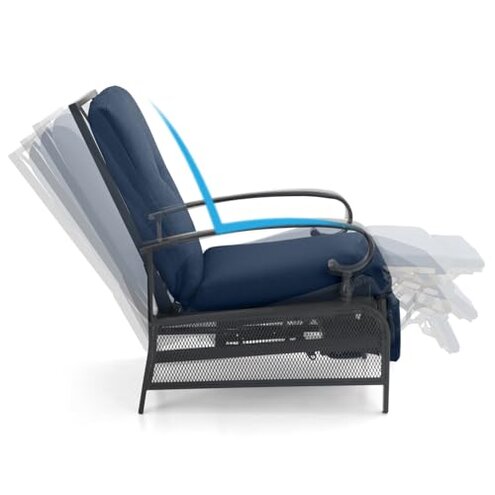
“Why does the recline feel touchy or abrupt?”
- Regret moment: You lean back to relax and the chair feels less controlled than you expected.
- Recurring pattern: Recline feel complaints appear repeatedly, though not every buyer hits it.
- When it shows: It’s most noticeable on first use as you learn the balance point.
- Worse conditions: It can feel more finicky during long sessions when you shift posture often.
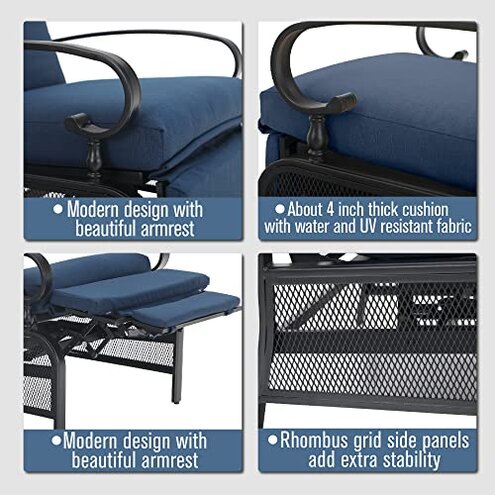
- Cause guess: The “push back” design can be body-weight sensitive without a lever to moderate motion.
- Impact: Some buyers avoid deeper recline, which defeats the main reason to buy it.
- Category contrast: Many mid-range recliners have a more obvious lock or consistent glide, so this feels worse.
- Mitigation: A slow lean and foot placement adjustments can help, but it’s still a learning curve.
“Why do the cushions shift and need constant fixing?”
- Regret moment: You stand up and notice the seat pad has crept out of place again.
- Secondary issue: Cushion movement shows up commonly, but less than assembly problems.
- When it happens: It tends to show during daily use, especially with frequent getting in and out.
- Worse conditions: Sliding is more noticeable if you sit with bare legs or on hot days.
- Design trade: Removable cushions make cleaning easier, but can add re-positioning work.
- User impact: You may end up adjusting pads every session, which feels high-maintenance.
- Fixability: Extra fastening tricks can help, but that becomes a DIY project many didn’t plan for.
“Why is outdoor durability stressing me out?”
Regret moment: The chair looks great on day one, then you start thinking about whether it needs constant protection. This concern is persistent in feedback tied to real outdoor placement.
Pattern: Complaints cluster around how the chair holds up over time rather than immediate defects. The worry rises after repeated use, especially when left outside regularly.
Category contrast: Outdoor seating always needs some care, but the reported “don’t leave it out” caution feels higher-than-normal for mid-range patio furniture.
- Early sign: Buyers start covering or moving it more than expected within the first weeks.
- Environment trigger: Issues are described as worse in harsher patio conditions like sun exposure and weather swings.
- Upkeep burden: You may feel forced into frequent cover use, which adds daily handling.
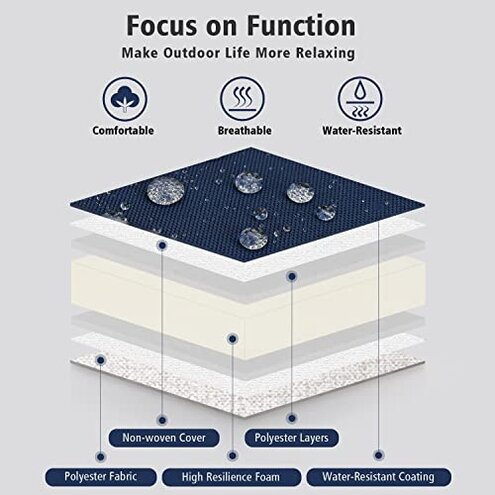
- Comfort trade: Thick cushions can be cozy, but they can also mean more to manage for drying and storage.
- Fixability: Protective habits help, but that shifts the product into a high-care routine.
Illustrative excerpts
- Illustrative: “I thought it would be 20 minutes, but it kept fighting me.” Primary pattern tied to setup friction.
- Illustrative: “The recline works, but it feels like it tips faster than I want.” Secondary pattern about touchy reclining.
- Illustrative: “Every time I stand up, the cushion needs to be pulled back.” Secondary pattern linked to shifting pads.
- Illustrative: “Looks nice, but I’m covering it constantly like it can’t handle outdoors.” Edge-case to secondary pattern depending on climate.
- Illustrative: “Comfort is good, but I didn’t expect this much fiddling.” Primary pattern reflecting ongoing maintenance effort.
Who should avoid this
- Solo assemblers who want a fast build should avoid it due to the repeated alignment and sequencing frustration during setup.
- People with back or balance concerns should avoid it if they dislike a touchy recline feel during first use.
- Set-and-forget patio owners should avoid it if they won’t do extra upkeep like moving or covering it often.
- Anyone who hates readjusting furniture should avoid it because cushion shifting can add daily micro-annoyances.
Who this is actually good for
- Tinkerers who don’t mind a longer setup and can do alignment steps carefully, because the comfort payoff can be acceptable.
- Buyers with covered patios who can limit exposure, because the durability worry drops when you can keep it protected.
- People who like firmer control through body positioning, because they can adapt to the weight-shift recline behavior.
- Cleaning-focused buyers who value removable cushions, as long as they tolerate some re-positioning after sitting.
Expectation vs reality
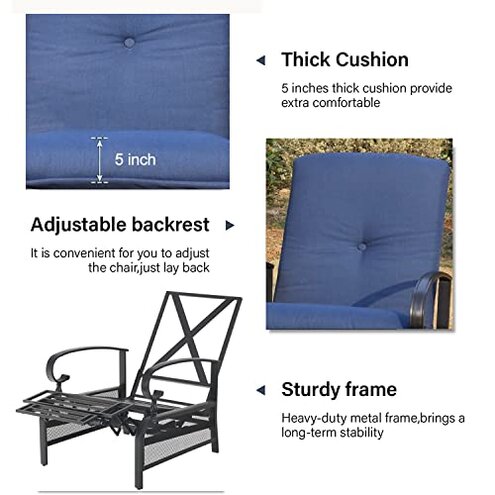
Expectation: Assembly is reasonable for this category, with minor tightening and you’re done. Reality: Setup can be more fiddly than typical, especially if you build it alone.
- Expectation: A push-back recline feels smooth and predictable. Reality: It can feel sensitive to posture, which surprises first-time users.
- Expectation: Cushions stay put in normal use. Reality: Shifting can be recurring, so you may adjust them every session.
- Expectation: Outdoor furniture tolerates routine patio exposure. Reality: Some buyers report a higher upkeep feeling than mid-range alternatives.
Safer alternatives
- Reduce setup risk by choosing a patio recliner with more pre-assembled sections, which directly avoids the alignment pain point.
- Improve recline predictability by prioritizing models with a lever or clear stop points, which reduces the touchy balance behavior.
- Prevent cushion drift by looking for integrated cushion ties or stronger anchoring, which neutralizes the re-positioning hassle.
- Lower upkeep by selecting finishes and designs known for patio exposure, which helps if you can’t commit to covering and moving furniture.
- De-risk comfort by testing seat depth and recline range when possible, since comfort here is tied to body position more than expected.
The bottom line
Main regret comes from buying a comfort-focused recliner and then dealing with extra effort in setup, positioning, and ongoing upkeep. The chair’s risks feel higher-than-normal for mid-range patio seating because the annoyances show up at multiple moments: build day, first recline, and daily sitting. If you want low-hassle outdoor lounging, this is an easy one to skip.
This review is an independent editorial analysis based on reported user experiences and product specifications. NegReview.com does not sell products.