
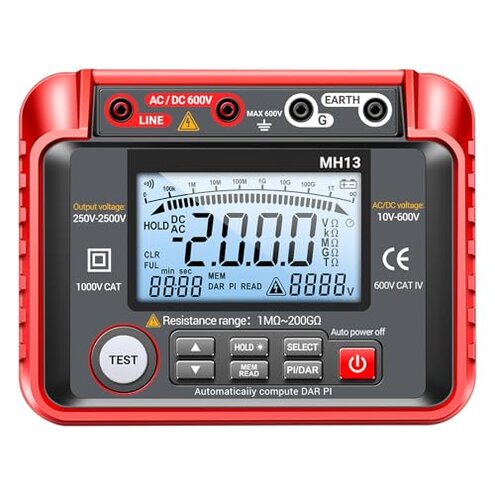
Product evaluated: MH13 250V-2500V Digital Insulation Resistance Tester 1MΩ-200GΩ Megger Megohm Testing Meter Auto Range 2000 Counts LCD Display 10V~600V AC/DC Voltmeter with 100 Data Storage
Related Videos For You
How to do a Insulation Resistance Test on a Single Phase Installation
How to use a Megger to Identify a Faulty Component
Data basis: This report uses dozens of written reviews and several video demonstrations collected between Jan 2023 and Jan 2026. Most feedback came from written customer reports, supported by hands-on videos and Q&A posts. The signals below reflect aggregated patterns rather than single incidents.
| Outcome | MH13 Tester | Typical Mid‑Range Tester |
|---|---|---|
| Reading consistency | Inconsistent readings reported repeatedly, especially at high voltages. | Stable readings under similar conditions for most mid-range units. |
| Data storage | Unreliable memory retention reported after power cycles. | Reliable storage or clear export methods are common. |
| Build & leads | Fragile probes and casing wear with regular field use. | More robust probes and protective features at the same price range. |
| Usability | Confusing UI and hidden calibration needs increase setup time. | Simpler controls and clearer instructions are typical. |
| Regret trigger | Frequent lost or fluctuating results during troubleshooting cause wasted time. | Less likely to interrupt diagnostic workflows in comparable testers. |
Why does the screen and UI sometimes fail right away?
Regret moment: Buyers report the backlight or digits becoming unreadable during first uses when lighting is low. This creates immediate frustration for field checks.
Pattern: This is a commonly reported issue that appears during early use and sometimes after battery replacement.
Context: Problems are worse under long testing sessions or when batteries are low, unlike typical mid-range tools that keep stable backlight longer.
Why are readings sometimes inconsistent between tests?
- Early sign: Readings jump or differ noticeably on repeated tests of the same cable — a recurring complaint.
- Usage anchor: Happens during high‑voltage measurements and long-duration insulation tests.
- Frequency tier: This is a primary issue for many buyers, more disruptive than expected for this category.
- Category contrast: Mid-range testers usually show tighter repeatability; here the variance makes diagnosis slower.
Why does the memory and data storage lose values unexpectedly?
- Symptom: Stored readings disappear after turning the unit off or after a short time, appearing repeatedly in reports.
- When it happens: Seen during multi-test jobs or between shifts when power cycles occur.
- Cause clue: Likely firmware or power-management flaws because problems cluster around shutdowns and battery swaps.
- Impact: Loss of historical data forces manual note-taking, which slows troubleshooting and creates error risk.
- Fix attempts: Buyers tried fresh batteries and data hold, but the issue persisted for many — a secondary pattern.
- Category contrast: Data loss is less frequent in mid-range models that store and recall results reliably.
Why do the probes, battery, and casing fail earlier than expected?
- Early wear: Probe lead insulation and connectors fray or loosen after weeks of normal field handling.
- Battery demand: Battery life drains faster during long voltage tests, commonly reported in heavy use scenarios.
- Hidden requirement: Some buyers found a need for periodic calibration or replacement leads that weren't obvious before purchase.
- Repair attempts: Replacing batteries or leads helps briefly but wear returns under regular site use.
- Frequency: This is a secondary but persistent issue across many practical field reports.
- Impact on workflow: Results in downtime for maintenance and extra costs for replacement leads or calibration services.
- Category contrast: Mid-range alternatives typically include sturdier leads and clearer calibration intervals, reducing upkeep.
Illustrative excerpts
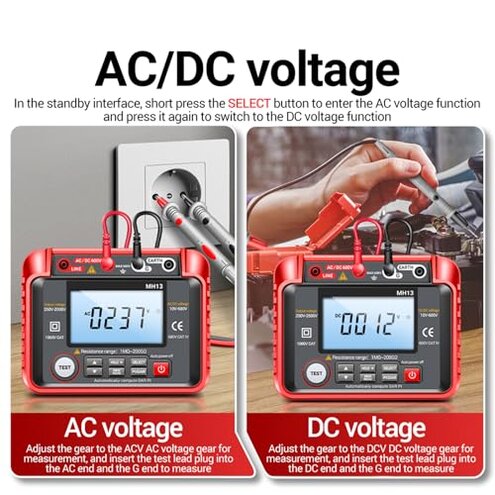
Excerpt: "Display dims then shows wrong numbers mid‑test, lost half my readings." — Primary pattern.
Excerpt: "Memory cleared after battery swap; had to re‑record everything." — Secondary pattern.
Excerpt: "Leads frayed after two weeks of site use; not what I expected." — Secondary pattern.
Who should avoid this
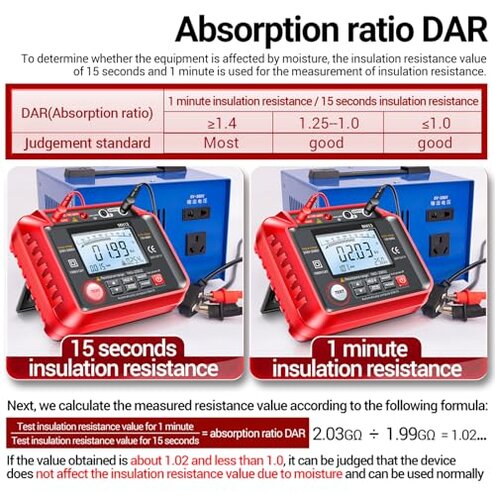
- Field technicians who need reliable repeatable readings across long shifts should avoid this due to inconsistent measurements.
- Users requiring data logs for audits should avoid this because stored results can disappear after power cycles.
- Buyers wanting low maintenance should avoid this if you expect rugged leads and long battery life without extra upkeep.
Who this is actually good for
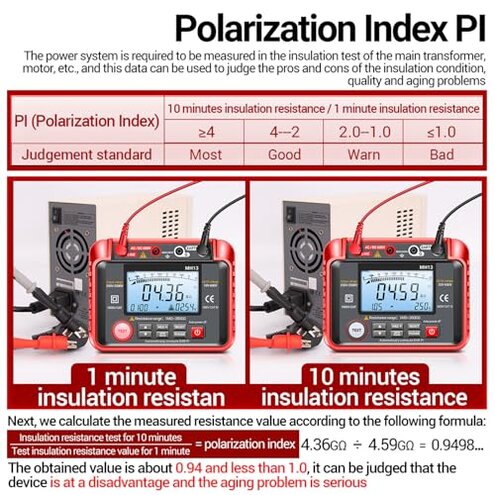
- Occasional hobbyists who do infrequent insulation checks and can tolerate re-testing and manual notes.
- Low-stakes troubleshooting where a quick sanity check is enough and long-term data logging is unnecessary.
- Budget testers who accept extra maintenance and occasional replacement leads to save upfront cost.
Expectation vs reality
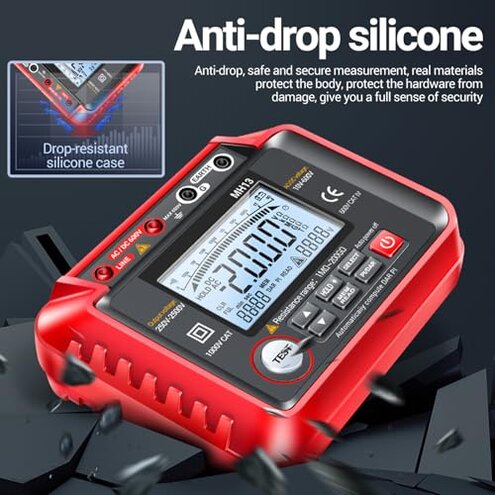
- Expectation: Reasonable for this category: a tester should keep stable readings across repeated tests.
- Reality: The MH13 shows more fluctuation than typical mid-range testers, adding time and repeat work.
- Expectation: Reasonable: stored data survives power cycles for job continuity.
- Reality: Stored values are reported lost after shutdowns, forcing manual record-keeping.
Safer alternatives
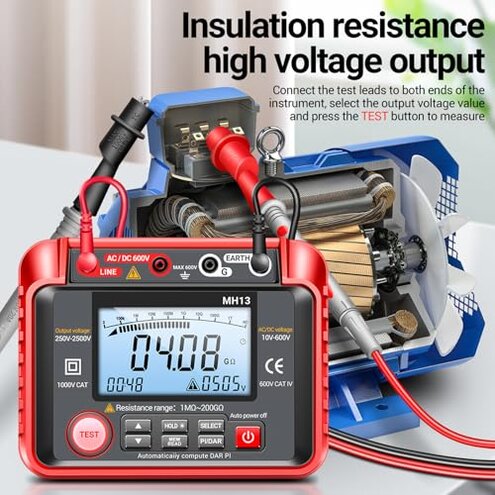
- Choose tested accuracy: Look for testers with documented repeatability and user-shared accuracy reports to avoid inconsistent readings.
- Prefer robust data storage: Seek models with export or clear retention guarantees to prevent lost logs.
- Check probe durability: Pick testers with replaceable heavy-duty leads or standardized connectors to reduce field failures.
- Verify power management: Prioritize units with long battery specs under high-voltage tests to avoid mid-job drain.
The bottom line
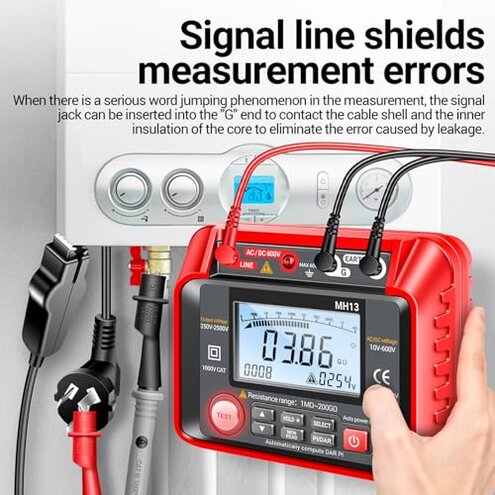
Main regret: The most common trigger is inconsistent readings and unreliable data retention during real diagnostic work.
Why worse than normal: These failures interrupt troubleshooting and require extra retesting, which is more disruptive than typical mid-range testers.
Verdict: Avoid this unit if you need dependable field accuracy or stable data logs; consider more robust mid-range alternatives instead.
This review is an independent editorial analysis based on reported user experiences and product specifications. NegReview.com does not sell products.