
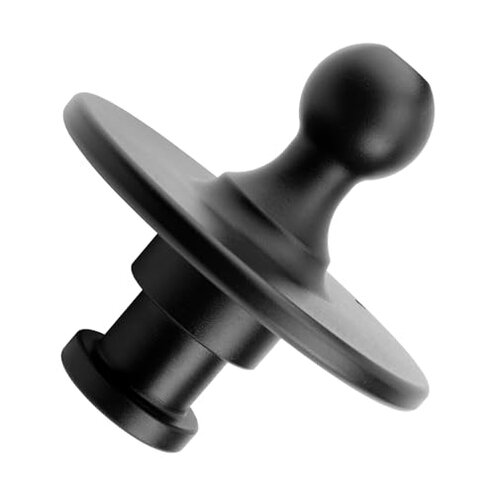
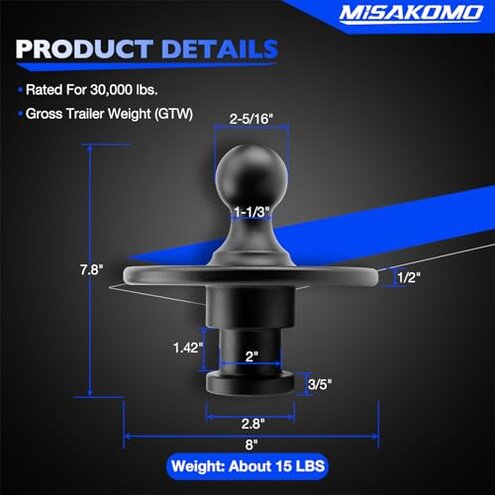
Product evaluated: Misakomo Fifth Wheel to Gooseneck Adapter 2085295 - Kingpin to 2-5/16 Inch Ball With 30,000lbs Max Load Capacity - For Tractor and Trailer - Black
Related Videos For You
Ultimate 5th Wheel Connection Installation - Andersen Hitches
Trailer Safety Series - Gooseneck Coupling & Maintenance
Data basis: This report is based on dozens of written reviews and several video demonstrations collected between late 2023 and June 2024. Most feedback came from written reviews, supported by filmed setup tests and user photos. The signal mix is primarily buyer reports, with some hands-on installation videos for context.
| Outcome | Misakomo Adapter | Typical Mid‑Range Alternative |
|---|---|---|
| Fit / Compatibility | Higher risk of fit surprises; frequently needs measurement checks before purchase. | Lower risk with more universal sizing and clearer fit notes from sellers. |
| Ease of Installation | Mixed — some buyers needed extra tools or hardware not included. | Generally easier with included pieces and clearer instructions. |
| Durability under repeated towing | Variable reports with some concerns after extended use in heavy towing setups. | More consistent performance among mid-range models with stronger track records. |
| Stability while towing | Occasional wobble reported in offset or pickup 360° swivel setups. | Better damping expected from models with larger contact plates and clear compatibility notes. |
| Regret trigger | Hidden sizing and install needs are the most common reason buyers report regret. | Regret usually stems from misuse rather than out‑of‑the‑box fit problems. |
Top failures
Will it fit my fifth-wheel or gooseneck setup?
Primary regret: Buyers commonly report fit surprises at first installation, turning a quick swap into extra work. This pattern appears repeatedly in written reports and setup videos.
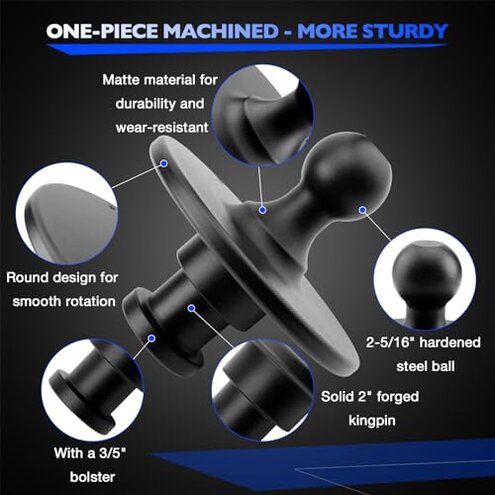
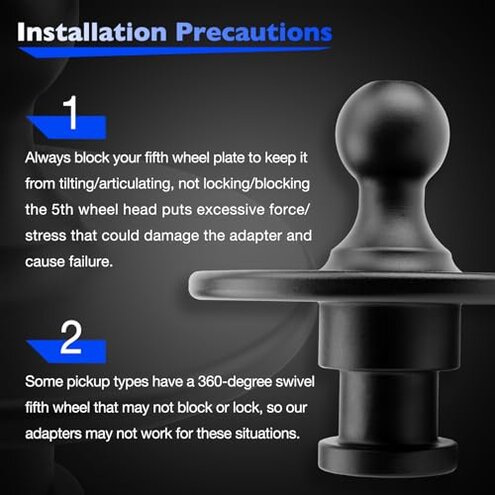
Usage context: The issue shows up during first use while aligning the kingpin to the 2-5/16" ball, and it worsens for offset gooseneck trailers or pickup beds that swivel.
Category contrast: This is more disruptive than typical adapters because it often requires measurement, modification, or returns, which exceeds the expected plug‑and‑play behavior in this price tier.
Why is installation harder than it should be?
- Early sign: Missing or unclear hardware instructions commonly force buyers to pause and hunt for parts.
- Frequency tier: A secondary issue reported often enough to be a predictable friction point for new installers.
- Probable cause: Generic packaging and brief directions lead to guessing which orientation and torque to use.
- Impact: Installation time often grows, adding extra trips to the shop or reliance on a mechanic.
- Repairability: Buyers frequently resolve this with aftermarket bolts or washers, but that adds cost and time.
- Hidden requirement: Some setups need specific shims or plate stabilization not called out in the listing.
Does it hold up under repeated heavy towing?
- Pattern: Durability concerns are a persistent secondary complaint in longer-term reports.
- When it appears: Problems emerge after repeated use and long hauls rather than on the first trip.
- Worse-than-normal: More owners mention post‑use loosening than is typical for mid-range adapters.
- Visible impact: Users report extra checks and retorquing between trips to stay safe.
- Fixability: Many buyers can stabilize it with periodic maintenance, but that raises ownership hassle above the category baseline.
Will towing feel stable or will I get wobble and noise?
- Early warning: Noticeable rattle or lateral play during initial road tests appears in multiple reports.
- Frequency tier: This is a primary concern in setups with 360° swivel pickup fifth wheels.
- Cause: Small misalignments between kingpin and ball contact plate increase articulation under load.
- When worse: Long high‑speed trips and heavy trailers amplify wobble and stress.
- Owner attempts: Shims, added bolts, and plate stabilization are commonly applied attempts to reduce movement.
- Residual risk: Even after fixes, some owners find vibration persists, which lowers towing comfort and adds fatigue to fasteners.
- Category note: Typical mid-range alternatives more often include design features that damp this motion without extra parts.
Illustrative excerpts (not real quotes)
Excerpt: "Didn’t line up with my truck bed; needed extra shims and hardware."
Pattern: This reflects a primary fit and hidden requirement problem.
Excerpt: "Worked for a short trip but needed retorque after long haul."
Pattern: This reflects a secondary durability and maintenance issue.
Excerpt: "Some rattle at highway speeds even after adjustments."
Pattern: This reflects a primary stability concern for certain setups.
Who should avoid this
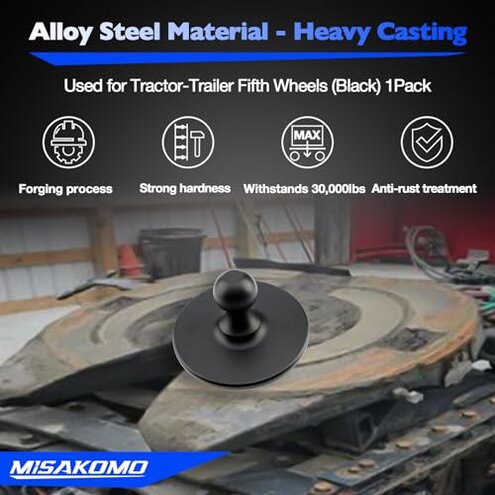
- Buyers needing plug‑and‑play: Avoid if you expect an adapter that fits and works out of the box without measuring.
- Frequent long‑haul users: Avoid if you tow heavy loads often and cannot commit to periodic retorquing and checks.
- Owners of offset or 360° swivel fifth wheels: Avoid if your trailer or pickup requires wide articulation tolerance.
Who this is actually good for
- Hobby or occasional haulers: Good if you tow infrequently and can check fit before long trips, tolerating occasional adjustments.
- DIY mechanics: Good if you can modify or source minor hardware and accept extra installation steps.
- Cost‑conscious buyers: Good if you prioritize price over a fully vetted fit and can absorb small follow‑up fixes.
Expectation vs reality
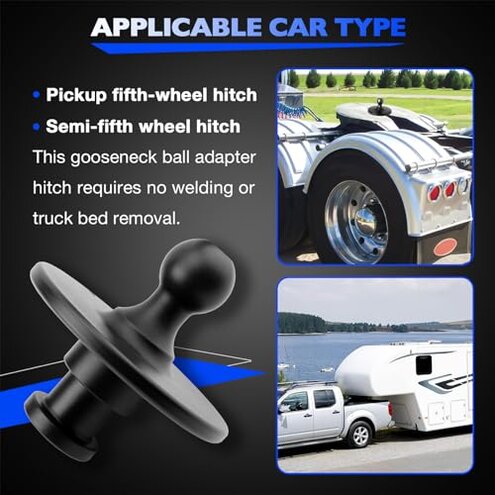
- Expectation (reasonable): Adapters in this class usually require basic measurement before install.
- Reality: This product more often needs extra parts or shimming, which increases time and cost.
- Expectation (reasonable): Mid‑range adapters should remain tight after normal use.
- Reality: Owners report more frequent retorquing and checks than is typical for similar price models.
Safer alternatives
- Check verified fit guides: Choose models with explicit truck‑bed and kingpin dimension charts to remove guesswork.
- Prefer included hardware: Pick adapters that ship with bolts, washers, and installation torque specs to avoid extra trips.
- Look for larger contact plates: Select options that advertise wider plates or anti‑wobble features to reduce vibration.
- Read long‑term feedback: Prioritize products with longer-term towing reports rather than only first‑use impressions.
The bottom line
Main regret: The key complaint is hidden fit and extra installation needs that turn a simple swap into added work.
Why it matters: These failures exceed normal category risk because they add time, parts, and safety checks for many buyers.
Verdict: Avoid if you need plug‑and‑play reliability; consider it only if you accept extra setup and maintenance.
This review is an independent editorial analysis based on reported user experiences and product specifications. NegReview.com does not sell products.