
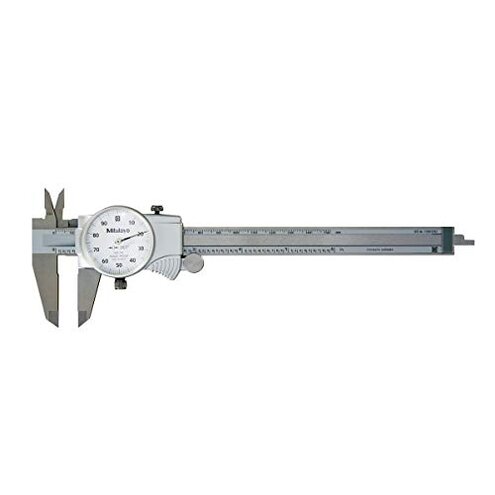
Product evaluated: Mitutoyo 505-742J Dial Caliper, 0.1" per Rev, 0-6" Range, 0.001" Accuracy
Related Videos For You
Quick Tip: How to measure and read a dial caliper
Starrett No. 120A Dial Calipers: Disassembly, Cleaning and Reassembly
Data basis: This report summarizes patterns from dozens of shopper experiences collected between 2022–2026. Sources included written reviews and star ratings, with some feedback supported by photo evidence and occasional usage notes. The source mix skewed toward written feedback, with shorter ratings adding extra signal on consistency and out-of-box condition.
| Buyer outcome | Mitutoyo 505-742J | Typical mid-range dial caliper |
|---|---|---|
| Out-of-box trust | Higher risk of needing checks before first job | Moderate risk, usually usable after quick zero |
| Slide feel | Higher-than-normal complaints about sticking or uneven travel | Some drag is normal, but fewer “hang-ups” |
| Reading confidence | Mixed reports on readability and parallax mistakes | More forgiving scales or simpler digital display |
| Job flow | More interruptions from re-zeroing and re-checking | Less frequent stop-and-verify behavior |
| Regret trigger | Paying a premium but still troubleshooting basics | Accepting “good enough” without premium expectations |
Top failures
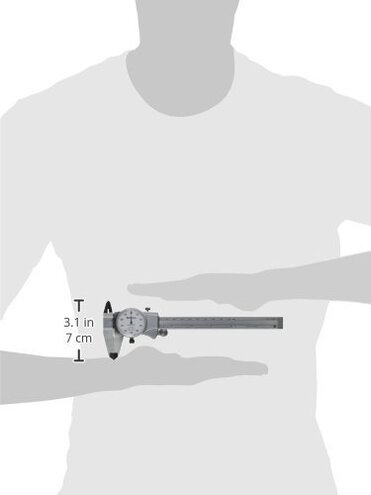
Why does the slide feel gritty or stick during a measurement?
Regret tends to hit mid-task when the jaw doesn’t glide smoothly and you lose your “feel” for light pressure. That’s more disruptive than it sounds, because dial calipers rely on consistent motion to avoid squeezing errors.
Pattern wise, this shows up repeatedly but is not universal. It’s most noticeable after setup when you start taking many readings in a row, or when you move fast between inside and outside measurements.
Category contrast: Some drag is normal on dial calipers, but buyers describe this as less forgiving than typical mid-range options, especially at this price.
- Early sign: The jaw moves smooth in one section and catches in another.
- Primary issue: Sticking appears as a primary complaint tier in aggregated feedback.
- When it hits: It shows up on first use or during long sessions of repeated sliding.
- Worsens with: Faster measuring rhythm and frequent open-close cycles can make the hang-up more obvious.
- Impact: You spend extra steps re-seating the jaws and re-checking readings for repeatability.
- Mitigation: Careful cleaning and gentle technique are commonly attempted, but results are mixed by report.
- Fixability: Some buyers resolve it by exchanging, suggesting unit-to-unit variability is a factor.
Why am I re-zeroing so often to trust the dial?
Regret shows up when you close the jaws, expect a clean zero, and the needle is slightly off. For many, it becomes a habit to re-check zero before each critical measurement.
- Recurring: Zero drift is persistent in a subset of feedback and shows across different usage notes.
- When: It’s most obvious after transport in a toolbox or after repeated open-close cycles.
- Conditions: Light bumps and quick handling can trigger more re-checks than expected.
- Baseline gap: Mid-range calipers also need occasional zero checks, but this is described as more frequent than buyers anticipated.
- Work impact: Adds extra steps that slow down inspection work and increases second-guessing on tight fits.
- Common attempt: Users try careful closing pressure and cleaning the faces, with inconsistent improvement.
- Decision point: If you rely on quick “grab and measure,” this becomes a deal-breaker more often.
Is the dial harder to read than I expected?
Regret happens when you think you’re reading the needle correctly, then double-check and realize you were off by a small amount. This is less frequent than slide sticking, but it’s more frustrating when accuracy matters.
- Secondary: Readability complaints appear less frequent than motion issues, but they persist in the feedback mix.
- When: It shows up most during quick checks in imperfect lighting or at awkward viewing angles.
- What you notice: Some buyers describe more chances for parallax mistakes, meaning the needle looks different from different angles.
- Category contrast: Dial calipers are inherently harder to read than digital, but buyers expected this model to be easier than typical.
- Impact: Leads to more “measure twice” behavior and slower workflows on repetitive parts.
- Mitigation: Slowing down and aligning your viewpoint helps, but it adds time during fast-paced work.
- Who feels it: More noticeable for users new to dial reading or anyone needing quick one-handed checks.
- Alternative path: Many shoppers in similar feedback streams suggest choosing digital when speed matters most.
Why does it feel like there’s a hidden “setup and handling” requirement?
Regret hits when you buy a premium tool expecting plug-and-play, then realize it demands careful habits to stay trustworthy. This is an edge-case for some, but it becomes the biggest annoyance for busy shops.
- Hidden requirement: Owners often need a consistent routine of cleaning, zero checks, and careful storage to avoid surprises.
- Pattern: This expectation appears repeatedly in “works great if…” style feedback, so it is recurring even if not universal.
- When: The need shows up after your first few uses, once you start moving between tasks and locations.
- Worsens with: Frequent tool bag carry and quick, one-handed operation increase the chance of re-check moments.
- Baseline gap: Mid-range calipers tolerate rougher routines better, even if they are not as refined on paper.
- Impact: The tool becomes “slow and careful” instead of “fast and confident,” which creates buyer regret.
Illustrative excerpts (not real quotes):
- “It’s smooth for a while, then it catches mid-slide.” Primary pattern reflecting repeated slide-feel complaints.
- “I keep closing it to zero, but the needle isn’t consistent.” Primary pattern tied to re-zero routines.
- “Reading the dial quickly is harder than I expected.” Secondary pattern related to readability friction.
- “Great when babied, annoying when used like a daily tool.” Secondary pattern pointing to handling requirements.
- “For the price, I shouldn’t be troubleshooting basic motion.” Primary pattern matching the regret trigger.
Who should avoid this
- Production users who measure all day, because recurring slide sticking and re-checking can disrupt flow more than typical mid-range tools.
- Anyone who wants quick, glanceable readings, because secondary readability friction can slow you down in real work moments.
- Toolbox carriers who toss tools in a bag, because the recurring “care routine” requirement is higher than many expect at this price.
- Buyers paying for premium confidence, because the main regret trigger is paying more while still doing basic troubleshooting steps.
Who this is actually good for
- Careful hobbyists who can tolerate extra zero checks and slow handling, because their sessions are shorter and less rushed.
- Dial fans who prefer a dial interface and accept the learning curve, because they are willing to read deliberately and avoid angle mistakes.
- Bench users who store it clean and protected, because that routine reduces the recurring “surprise” moments during daily use.
- Shoppers able to exchange if needed, because unit-to-unit variability signals make a smooth example worth chasing.
Expectation vs reality
| Expectation | Reality in complaints |
|---|---|
| Reasonable for this category: occasional zero checks | More frequent re-zero habits reported than buyers expected |
| Smooth slide feel at a premium price | Sticking or uneven travel appears repeatedly, especially during long sessions |
| Easy dial reading with the “new face” promise | Mixed readability experiences, with some users slowing down to avoid misreads |
Safer alternatives
- Prioritize easy returns, because the most disruptive complaints suggest occasional unit variability and exchanges can be the cleanest fix.
- Choose a digital caliper if speed matters, because it directly reduces the recurring dial-read friction seen here.
- Look for models praised for smooth travel, because slide sticking is among the most common regret triggers in this feedback set.
- Buy a caliper with a protective case and commit to storage habits, because the hidden handling requirement shows up repeatedly.
- Test immediately on arrival, because early detection of sticking or zero inconsistency saves time before you rely on it for real work.
The bottom line
Main regret comes from paying premium money and still dealing with basic trust issues like slide sticking and frequent re-zero checks. Those problems are reported as more disruptive than expected for a mid-range baseline, because they interrupt workflow during real measuring moments. If you want a caliper that feels effortless every day, this one has enough recurring risk that many shoppers should avoid it.
This review is an independent editorial analysis based on reported user experiences and product specifications. NegReview.com does not sell products.