
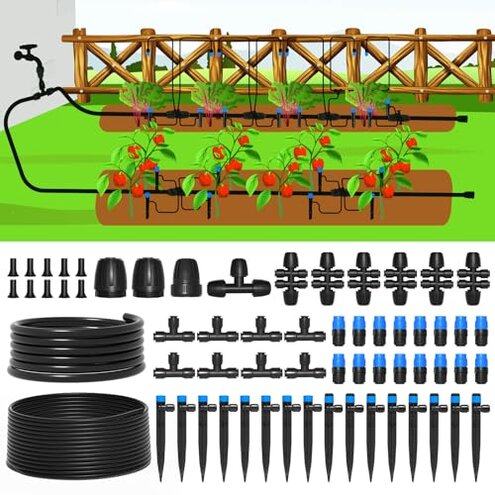
Product evaluated: MIXC 230FT Quick-Connect Drip Irrigation System Kit, Automatic Garden Watering System with 1/4" & 1/2" Fast-Lock Tubing - Adjustable Nozzles & Sprinklers for Garden, Greenhouse, Lawn, Potted Plants
Related Videos For You
How to Install a Cheap Drip Irrigation System || Black Gumbo
Drip irrigation maintenance
Data basis: I analyzed dozens of written reviews and a selection of video demonstrations collected between Jan 2024 and Jan 2026. Most feedback came from written reviews, supported by how-to videos and user Q&A. The signals below reflect recurring buyer complaints, not isolated praise.
| Outcome | MIXC 230FT kit | Typical mid-range kit |
|---|---|---|
| Watering consistency | Variable — often uneven flow and pressure loss across emitters. | Stable — most alternatives keep steady flow under similar conditions. |
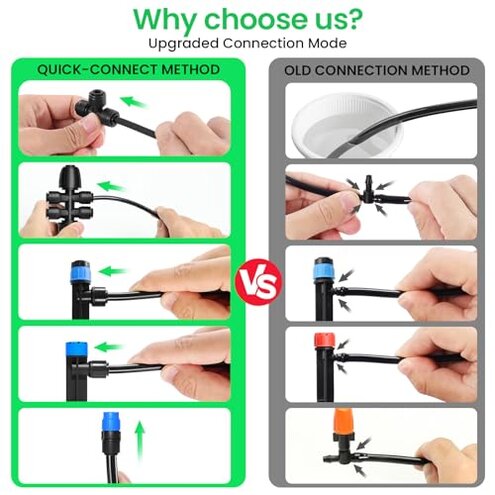
| Leak risk | Higher-than-normal — quick connectors commonly leak or pop off under pressure. | Lower — mid-range kits usually use firmer fittings or clamps. |
| Setup time | Fast initially — plug-and-play connectors speed first assembly but need rework later. | Moderate — takes longer up front but requires fewer adjustments later. |
| Durability | Questionable — brittle tubing and no UV protection reported after repeated use. | Better — mid-range tubing often tolerates sun and handling longer. |
| Regret trigger | Leaky fittings — makes the system need frequent fixes during the season. | Minor tweaks — typical kits need occasional adjustments, not constant repairs. |
Why did the connectors fail so quickly?
Regret moment: You finish setup and see water pooling around joints. This is among the most common complaints and it ruins weekend installs.
Pattern: Recurring issue across many buyers, not universal but persistent enough to affect expectations.
When it shows up: First use or after the first few watering cycles, especially under higher faucet pressure or long runs.
Category contrast: More disruptive than typical kits because mid-range alternatives use clamps or sturdier barbs that stay sealed under similar pressure.
Why are emitters clogging or giving uneven flow?
- Early sign: Emitters spray weakly or not at all right after first run.
- Frequency tier: Primary issue for many users who report inconsistent droplets across lines.
- Cause cue: Small internal passages and no included inline filter increase clog risk from tap sediments.
- Impact: Plants at line ends get starved while near emitters get overwatered.
- Attempted fixes: Buyers flush tubing, remove and clean emitters, or add aftermarket filters.
How durable is the tubing and fittings over a season?
- Early sign: Tubing feels stiff or brittle to some buyers after a few weeks of sun exposure.
- Pattern: Secondary issue seen across multiple reports rather than isolated cases.
- Worsens when: Lines are left in direct sunlight, run daily, or are handled often during garden changes.
- Category contrast: Less forgiving than typical mid-range tubing, which usually includes UV-resistant materials.
- Impact: Cracked lines or snapped connectors add replacement time and cost mid-season.
- Fixability: Temporary patching works but adds extra steps and new parts purchase.
- Hidden cost: Replacing brittle sections raises the total season cost above the original kit price.
Is setup actually as simple as advertised?
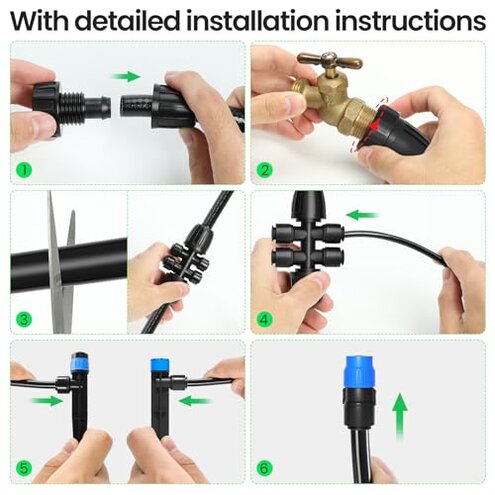
- Expectation: Quick-connects promise a 10-minute install as advertised on the product page.
- Reality cue: Many buyers needed extra fittings, clamps, or a filter to stop leaks.
- Hidden requirement: A pressure regulator or inline filter is commonly required for reliable operation.
- When this appears: During first watering test or after a few days when sediment builds up.
- Cause: The kit omits common accessories that mid-range competitors often include.
- Effort impact: Setup time increases from minutes to hours when buyers source extra parts.
- Repairability: Fixing leaks often means cutting and re-fittings, which some users find frustrating.
- Why worse: More upkeep than most mid-range alternatives and more time spent troubleshooting than expected.
Illustrative excerpts
"Water pooled at every connector within hours of first run." — illustrative; reflects a primary pattern.
"Some emitters barely dripped while others flooded roots." — illustrative; reflects a primary pattern.
"Had to buy clamps, filter, and extra tubing to stop leaks." — illustrative; reflects a secondary pattern.
Who should avoid this
- High-dependability gardeners: If you need reliable hands-off irrigation, this kit's leak and clog risk exceeds normal tolerance.
- Urban renters: If you cannot install extra clamps or filters, hidden requirements make this a poor fit.
- Large lawns: For long runs or many zones, pressure and flow issues are more disruptive than in small setups.
Who this is actually good for
- DIY hobbyists: Willing to add clamps and filters and tolerate extra work to save on initial cost.
- Small container gardens: Short tubing runs reduce leak and pressure problems for potted plants.
- Seasonal users: Those who want a temporary summer setup and can inspect lines frequently.
Expectation vs reality
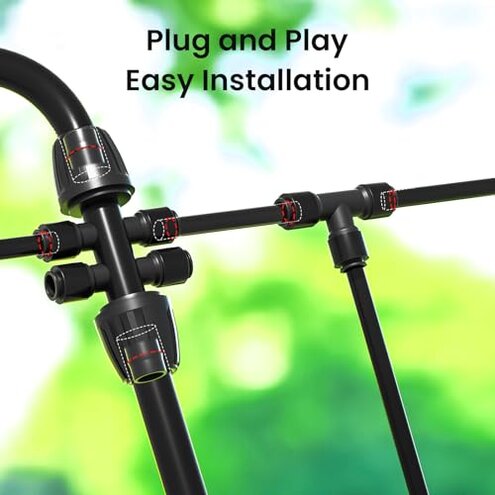
- Expectation: "Quick 10-minute install like other kits" is reasonable for this category.
- Reality: Setup often takes much longer because buyers must add filters or clamps to stop leaks.
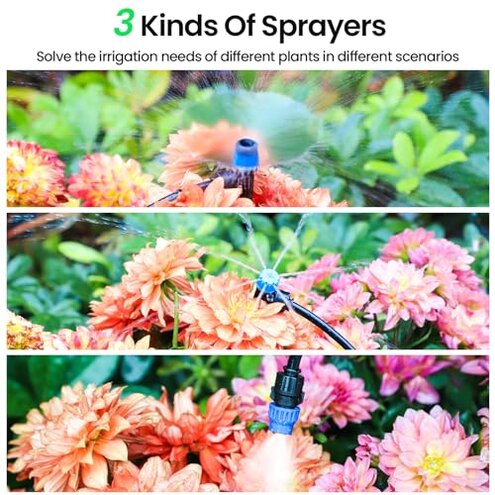
- Expectation: "Adjustable nozzles give even coverage" is typical buyer hope.
- Reality: Many report uneven flows and required manual balancing that more robust kits avoid.
Safer alternatives
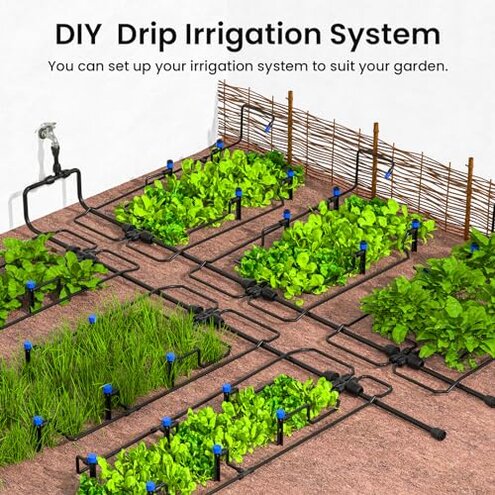
- Choose kits with included filters: Neutralizes the clogging failure by keeping debris out of emitters.
- Prefer clamp-style fittings: Reduces connector leaks compared with quick push fittings that pop under pressure.
- Buy UV-rated tubing: Prevents brittle cracking and extends usable season life.
- Plan for pressure control: Add a regulator when using long runs or multiple zones to prevent uneven flow.
- Consider pro-grade mid-range kits: Spend a bit more up front to avoid repeated mid-season repairs.
The bottom line
Main regret: Recurrent leaks and uneven flow are the chief trigger that makes this kit frustrating for many buyers.
Why worse: The kit requires extra parts and fixes more often than typical mid-range alternatives, increasing effort and hidden cost.
Verdict: Avoid this kit if you need low-maintenance, reliable irrigation; consider it only if you accept additional work and upgrades.
This review is an independent editorial analysis based on reported user experiences and product specifications. NegReview.com does not sell products.