
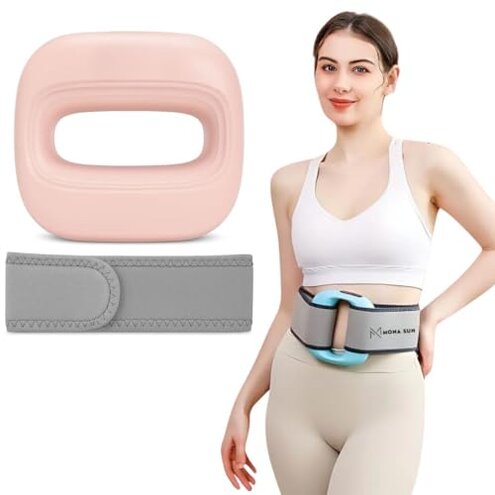
Product evaluated: MONASUN Deep Tissue Massage Gun Portable – Mini Massage Gun with Hands-Free Strap – Handheld Massager for Athletes, Travel, Full-Body Pain Relief – 5 Speed Levels and Quiet Percussion
Related Videos For You
Bob and Brad Q2 Mini Massage Gun Review for Muscle Pain & My Honest Thoughts
How to Use a Percussion Massage Gun for Back Pain Relief
Data basis for this report comes from dozens of aggregated buyer signals collected from written ratings and Q&A-style feedback over a recent 12-month window. Most detail came from shorter written comments, supported by a smaller set of longer experience notes that described use during workouts and travel. The patterns below focus on repeated, buyer-noticed outcomes rather than marketing claims.
| Buyer outcome | MONASUN mini massage gun | Typical mid-range alternative |
|---|---|---|
| Back/shoulder reach | Higher risk of awkward angles despite the strap concept | Lower risk using longer handles or angled heads |
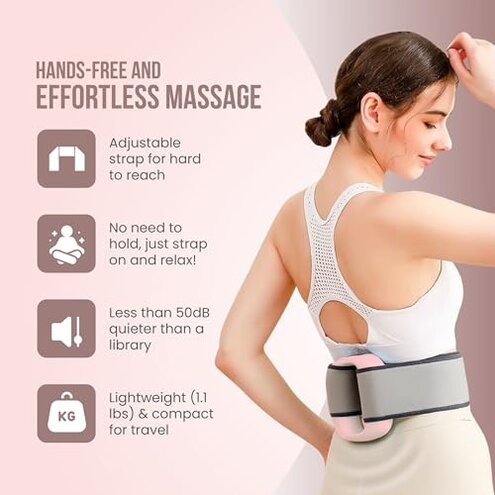
| Hands-free strap usability | Higher-than-normal risk of fiddly setup and slipping during use | Lower risk because most models avoid straps entirely |
| Power consistency | Mixed risk of feeling weaker on dense muscle groups | Lower risk with larger motors and heavier bodies |
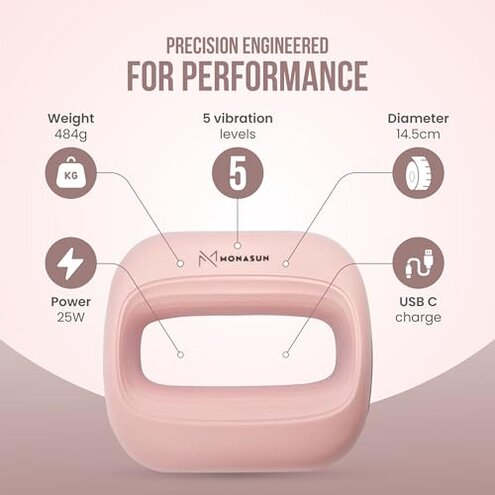
| Battery expectations | Higher risk of needing more frequent charging than expected | Lower risk with bigger batteries and clearer indicators |
| Regret trigger | Strap hassle becomes the reason it sits unused | Noise/weight is usually the main complaint instead |
Top failures
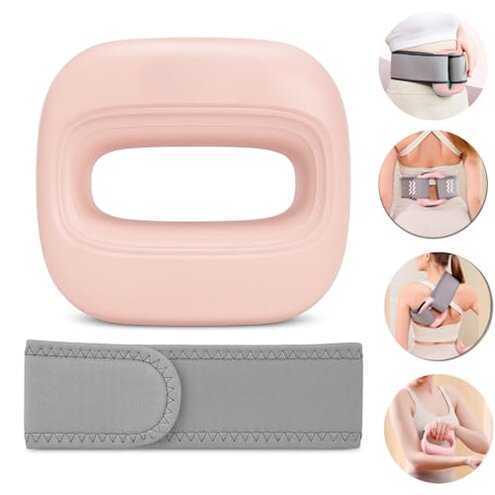
“Why does the strap feel like extra work instead of hands-free?”
Regret usually hits when you try to set it up on your back and it shifts mid-session. Persistent feedback describes the strap as a good idea that turns into more adjusting than massaging.
Pattern shows up most during solo use on hard-to-reach areas like upper back. Category contrast: most mid-range guns skip straps, so you don’t spend time tightening and re-positioning.
- Early sign: the strap needs repeated re-tightening before it feels secure.
- Primary pattern: slipping or drifting happens during longer sessions and movement.
- Worsens when: you use it on the back or shoulder blade where tension changes with posture.
- Hidden requirement: you may need a mirror or help to position it correctly the first few uses.
- Impact: the “hands-free” benefit can turn into stop-start massage that breaks relaxation.
- Fixability: some buyers mitigate by using it as a normal handheld and ignoring the strap.
- Trade-off: you give up the headline feature to get reliable control.
“Is it strong enough for big muscles, or does it stall out?”
- Primary complaint: strength can feel underwhelming on glutes, quads, and tight calves.
- Usage moment: the letdown appears when you increase pressure to “dig in” after workouts.
- Recurring signal: multiple buyers describe it as better for light relief than deep knots.
- Category baseline: compact guns are often weaker, but this seems more limiting than shoppers expect.
- Workaround: shorter sessions and lighter pressure reduce disappointment but also reduce results.
- Body-area mismatch: it tends to feel acceptable on arms and neck, and less satisfying on legs.
- Buyer cost: you may end up shopping again for a larger unit for real recovery work.
“Why is the battery life not matching the ‘all-day’ vibe?”
Frustration often starts after a few days of normal use when it needs charging sooner than expected. Not universal, but it appears repeatedly enough to be a planning risk for travel.
When it shows: longer sessions at higher speeds tend to expose the gap between expectation and reality. Category contrast: mid-range models typically have more predictable run time because they have more battery capacity and clearer indicators.
- Secondary pattern: battery anxiety shows up right before workouts or trips.
- Worsens with: frequent daily use rather than occasional spot treatment.
- Practical impact: you may keep it on a charger, which reduces grab-and-go convenience.
- Hidden step: you may need to build a charging routine to avoid dead-battery surprises.
- Mitigation: treating it as an “at-desk” device reduces the annoyance.
“Is it really quiet, or just ‘quiet until you press in’?”
- Secondary issue: perceived noise rises when you apply pressure during real use.
- Usage context: it becomes noticeable in shared rooms or late-night use.
- Less frequent than strap complaints, but more disruptive when it conflicts with household quiet.
- Category contrast: many mid-range guns are not silent, but some keep tone steadier under load.
- Buyer workaround: lower speeds help, but can also reduce relief on tight areas.
Illustrative excerpts (not real quotes)
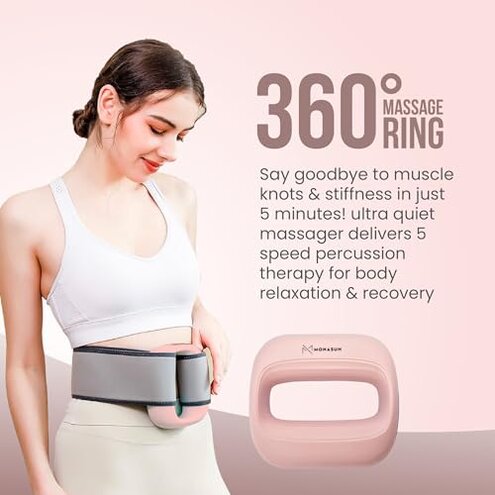
- Illustrative: “The strap sounded great, but I kept adjusting it every minute.” Primary pattern.
- Illustrative: “Fine for arms, but my calves still felt tight after.” Primary pattern.
- Illustrative: “I charged it again sooner than I expected for a mini.” Secondary pattern.
- Illustrative: “Quiet at first, louder when I actually lean into it.” Secondary pattern.
- Illustrative: “I stopped using the strap and just held it normally.” Primary pattern.
Who should avoid this
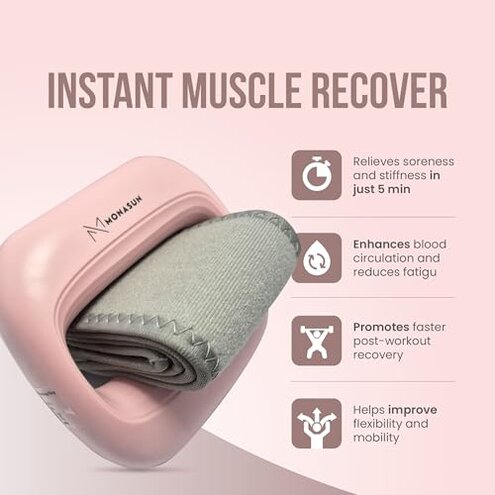
- Back-pain shoppers who want true hands-free use, because strap positioning can be a repeated hassle.
- Strength-seekers targeting dense leg muscles, because power satisfaction is a primary regret trigger.
- Travel-first buyers who hate charging routines, because battery predictability is a persistent friction point.
- Shared-space users needing low noise under pressure, because “quiet” can change during real use.
Who this is actually good for
- Light relief users who mainly want quick neck/arm sessions and can accept less intensity.
- Desk routine buyers who can keep it charged nearby and don’t rely on travel readiness.
- Strap-tinkerers willing to practice setup and accept occasional re-positioning for back access.
- Small-kit shoppers prioritizing compact storage over maximum recovery performance.
Expectation vs reality
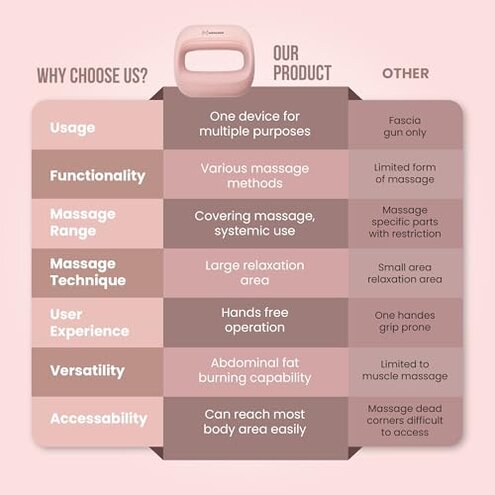
- Expectation: hands-free strap makes back massage simple. Reality: setup and slippage add extra steps during use.
- Expectation: “deep tissue” means strong knot-busting power. Reality: compact size can feel less effective on big muscles.
- Reasonable for this category: minis trade power for portability. Worse here: the strap feature can also reduce ease, not just strength.
- Expectation: quiet operation in normal life. Reality: noise perception can rise when you apply real pressure.
Safer alternatives
- Skip straps if you hate setup, and choose a mid-range gun with an angled head or longer handle for back reach.
- Choose size based on target areas, and pick a larger mid-range unit for legs and glutes to avoid “not strong enough” regret.
- Look for clearer battery indicators and more predictable charging behavior if you travel or use it daily.
- Check noise demonstrations under pressure, not just idle sound, if you need late-night friendly use.
The bottom line
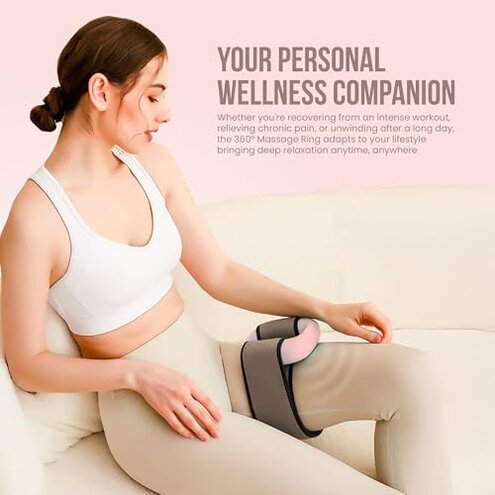
Main regret tends to be the strap feature adding friction instead of removing it. Risk feels higher than normal because the signature feature can become the reason you stop using the device. Verdict: avoid if you need reliable hands-free back use or strong deep-tissue performance on large muscles.
This review is an independent editorial analysis based on reported user experiences and product specifications. NegReview.com does not sell products.