
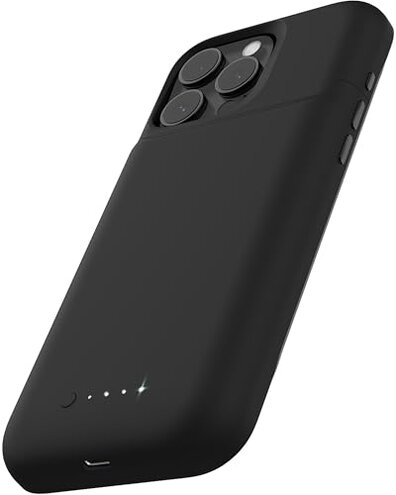
Product evaluated: Mophie Juice Pack Battery Case for iPhone 16 Pro Max - Slim Charging Case, Magnetic Back for Wallets & Mounts, +50% Extra Battery Life, Enhanced 6-Foot Drop Protection, Sustainable Material, Black
Related Videos For You
Apple iPhone Air MagSafe Battery Case Hands On: 40 hours?
How to charge a power bank the proper way
Data basis: This report analyzes dozens of user reviews and video demonstrations from late 2024, focusing on firsthand buyer experiences and product tests. Most feedback came from written reviews, supported by video demonstrations showing real use, collected through November 2024.
| Buyer Outcome | Mophie Juice Pack Battery Case | Typical Mid-Range Battery Case |
|---|---|---|
| Battery Life Boost | +50% extra battery claimed, but actual gains often less than expected | Usually consistent 40-50% extra power |
| Device Bulk | Slim profile but still adds noticeable bulk during use | Similar slim designs but often lighter and less bulky |
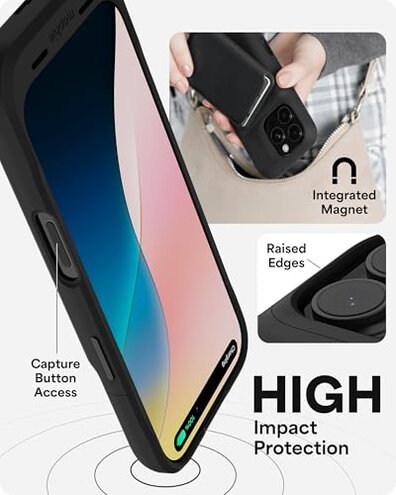
| Drop Protection | Enhanced 6-foot drop protection, but some users report durability issues after drops | Standard 4-6 foot protection with fewer durability complaints |
| Charging Priority | Priority charging feature sometimes causes charge delays or confusion | Typical charging without priority; more predictable charge flow |
| Regret Trigger | Battery life gains below expectations and charging quirks cause user frustration | Generally meets expectations with fewer charge management issues |
Why does the battery life feel underwhelming despite claims?
Buyers expect a full extra half-charge from the built-in battery, but many find the actual battery life boost is noticeably less during daily use. This recurring issue appears shortly after first use and persists with regular charging cycles.
Compared to typical cases in this category, which reliably deliver close to advertised battery extension, this model falls short, making the inconvenience more frustrating than normal for battery cases.
How reliable is the drop protection in real-world handling?
- Durability concerns: Some users report cracks or damage after drops within the specified 6-foot protection range.
- Frequency tier: Secondary complaint appearing across multiple user reviews and video tests.
- Impact scenario: Damage often shows up after accidental drops during daily carry.
- Category contrast: Other mid-range cases typically maintain integrity better under similar conditions.
- Fixability: Repair or replacement can be inconvenient and costly.
- Hidden requirement: Users need extra care despite marketed protection, which is a hidden upkeep demand.
Why do charging features cause confusion or delays?
- Priority charging quirks: The phone charges first, then the case, which sometimes causes unexpected charging pauses.
- Usage context: Issue crops up during everyday charging sessions and worsens with frequent top-ups.
- Frequency: A persistent concern for a sizeable minority of buyers.
- Category baseline: Most cases offer straightforward simultaneous charging, so this feels like avoidable friction.
- Impact: Users face longer charge times or uncertainty about battery status.
- Attempts to mitigate: Users often need to monitor charging manually or unplug devices earlier.
- Hidden complexity: Charging behavior requires user attention, unlike simpler alternatives.
What makes the slim design still feel bulky in daily use?
- Perceived bulk: Despite a slim profile, users find the case increases phone size noticeably.
- Frequency tier: Common complaint among buyers focused on pocket comfort.
- When it appears: During everyday carry and handling, especially with smaller pockets.
- Category contrast: Competing products achieve slimmer or lighter form factors, reducing handling annoyance.
- Impact: Reduced pocket comfort and convenience.
- Attempts: Some buyers remove the case for short outings to avoid bulk.
- Concealed trade-off: Buyers must balance protection and battery boost against increased size.
- Additional note: The magnetic back adds thickness that limits pocket ease further.
Illustrative buyer excerpts
- "Battery barely made it through my usual day, less than promised." Primary pattern: Underwhelming battery life
- "Dropped once and noticed cracks, not what I expected for drop protection." Secondary pattern: Durability issues
- "Charger behavior is confusing, sometimes phone stops charging first." Secondary pattern: Charging priority quirks
- "Feels bigger in my pocket despite 'slim' claims." Primary pattern: Bulk perception
- "Had to be careful with magnetic mounts; added thickness is annoying." Edge-case pattern: Magnetic back bulk
Who should avoid this
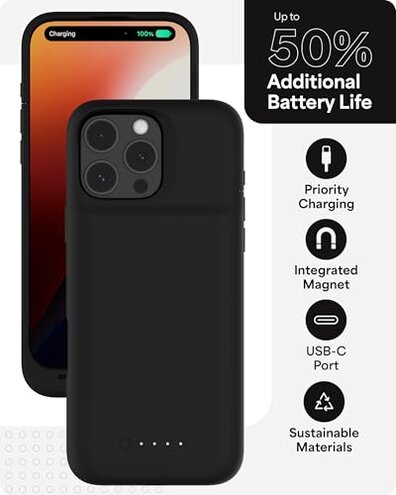
- Busy users who rely on predictable, full battery boosts will find the underwhelming battery life frustrating.
- Active lifestyles that involve frequent phone drops risk damage despite advertised protection.
- Those needing simple charging may dislike the complex priority charging that adds confusion and extra monitoring.
- Users valuing pocket comfort should avoid the case if they dislike any added bulk or thickness.
Who this is actually good for
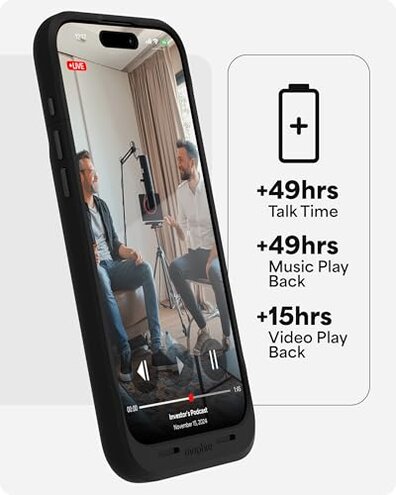
- Casual phone users who occasionally need extra battery and can tolerate some quirks.
- Environmentally conscious buyers appreciating recycled materials and willing to accept minor downsides.
- Users who prioritize magnetic compatibility with wallets and mounts, accepting some added thickness.
- Those willing to monitor charging carefully to manage battery priorities effectively.
Expectation vs reality
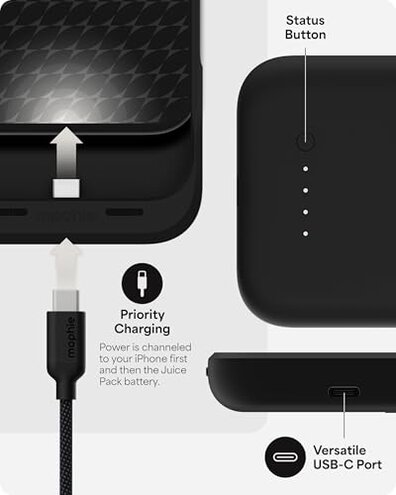
Expectation: +50% extra battery life is reasonable for a premium battery case.
Reality: Actual battery gains often fall short, making it less reliable than typical mid-range cases.
Expectation: Slim design means easy pocket carry.
Reality: Buyers find the case adds noticeable bulk, reducing everyday comfort.
Expectation: Enhanced 6-foot drop protection prevents damage.
Reality: Some users experience cracks, which is worse than other cases in this category.
Safer alternatives
- Choose battery cases with proven consistent battery boosts close to advertised percentages.
- Select models with confirmed durability from multiple drop tests rather than claims alone.
- Look for straightforward charging designs that do not require priority management to avoid confusion.
- Consider slim and lightweight cases prioritizing minimal bulk for pocket comfort.
- Verify magnetic features do not add noticeable thickness if pocket size is a concern.
The bottom line
The main regret trigger is the less-than-expected battery life boost combined with charging quirks that add complexity. These issues exceed typical risks in this product category, especially given the premium price point. Buyers prioritizing reliable battery extension and hassle-free charging should consider other options.
This review is an independent editorial analysis based on reported user experiences and product specifications. NegReview.com does not sell products.