
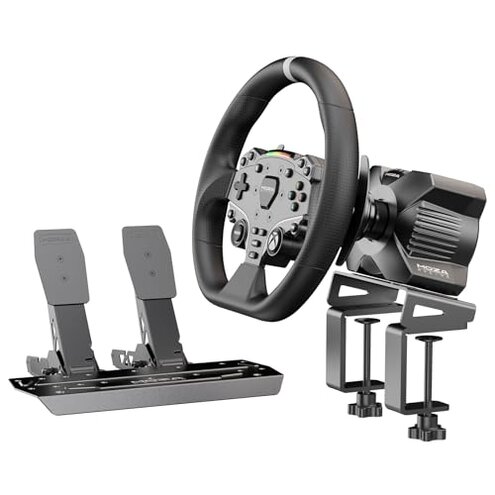
Product evaluated: MOZA R3 Racing Wheel and Pedals Bundle for Xbox & PC,Powerful 3.9Nm DD Servo Motor with Aviation-Grade Aluminum Construction,Durable ISF PU Grips 11-inch Racing Wheel
Related Videos For You
How to set up Logitech G29 steering wheel, Pedals and shifter for PC/PS5
HOW TO FIX LOGITECH G29/G920 FORCE FEEDBACK NOT WORKING & STIFFNESS PROBLEM
Data basis: this report uses dozens of written reviews, Q&A entries, and a few video walkthroughs collected between 2023 and 2025. Most feedback came from written reviews, supported by video demonstrations and user replies.
| Outcome | MOZA R3 | Typical mid-range |
|---|---|---|
| Force feedback | Weaker than expected; commonly reported as punchy but shallow during long sessions. | Stronger and more consistent for the category baseline. |
| Software | Higher-than-normal app and firmware friction; connectivity and cloud features often require extra steps. | Smoother setup and fewer forced updates typical for mid-range devices. |
| Pedals | Functional but reported as stiff or needing adjustment after repeated use. | More adjustable and durable in several mid-range alternatives. |
| Durability | Mixed signals: some buyers report wear or noisy bearings after weeks. | Generally steadier fit-and-finish in comparable models. |
| Regret trigger | Unreliable feedback or app friction during play, more disruptive than expected. | Less likely to cause immediate regret for similar-priced choices. |
Is the wheel’s force feedback too weak or inconsistent for real racing?
Frustration moment: users report the direct-drive feel is punchy but lacks depth during turns. Pattern appears repeatedly and is a primary issue for long sessions.
Usage anchor: the issue shows up within the first hours of driving and often becomes more obvious during long races. Contrast with category baseline: this is more disruptive than most mid-range DD alternatives.
Does setup and the app cause extra friction?
- Early sign App prompts and firmware updates needed right after unboxing, commonly reported by buyers.
- Frequency The problem is persistent among recent buyers, not universal but common enough to expect delays.
- Cause Cloud-based control requires account and network access to save profiles, which adds steps.
- Impact Delays initial play and can interrupt sessions during forced updates.
- Fix attempts Users often reinstalled software or rolled firmware back, with mixed success.
Are the pedals reliable and adjustable enough for serious use?
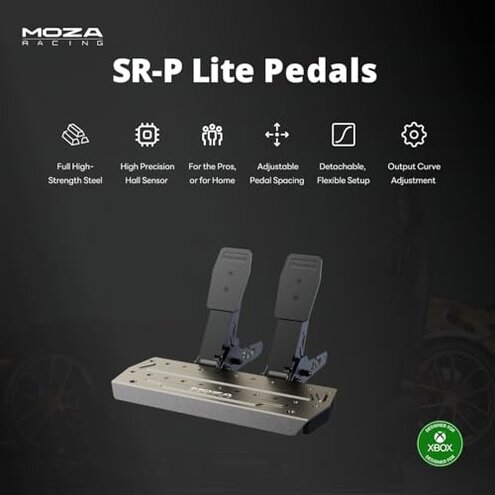
- Early sign Pedal feel can be stiff or uneven right out of the box.
- Frequency This is a secondary issue seen across many written reviews.
- Cause Adjustment points and sensor calibration sometimes need repeated tuning.
- Impact Reduces control precision during braking and throttle inputs in tight racing.
- Attempts Buyers reported adjusting curves in the app or bending pedal return springs.
- Fixability Repair or replacement may be required sooner than typical mid-range pedals.
Will the base, clamp, or build cause hidden headaches over time?
- Early sign Users report clamp fit issues on thin or fragile desks during setup.
- Frequency This is a commonly reported compatibility pain point during first install.
- Cause The included desk clamp needs a solid table edge and may scuff finishes.
- Impact Limits use to sturdy desks or additional rig hardware, adding cost.
- Durability Some buyers saw increased noise or looseness after weeks of frequent use.
- Attempts Users tightened mounts or moved to dedicated rigs to reduce wobble.
- Hidden requirement Owning a robust desk or rig is often necessary to avoid instability.
- Contrast This is less forgiving than most mid-range bundles that include friendlier mounting options.
Illustrative excerpts
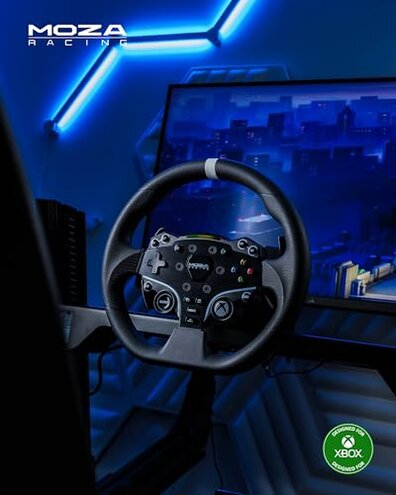
"Feels punchy but lacks true heavy feedback on fast corners." — reflects a primary pattern.
"App forced an update mid-session and disconnected the wheel." — reflects a secondary pattern.
"Clamp scratched my desk and needed a rig for stability." — reflects an edge-case pattern.
Who should avoid this
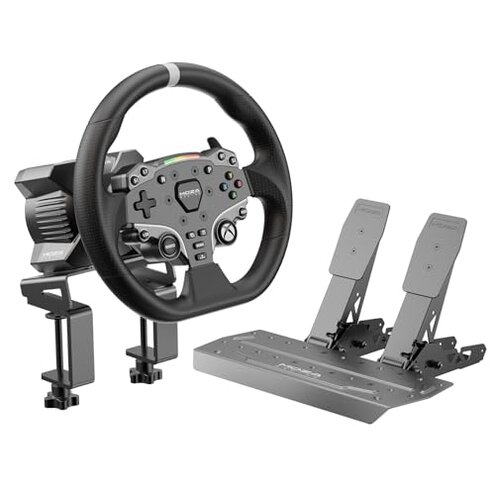
- Serious simracers who need consistent, heavy DD feedback for performance setups.
- Plug-and-play users who dislike forced app logins, firmware updates, or cloud ties.
- Light-desk owners with thin tables who cannot mount a heavy clamp or buy a rig.
Who this is actually good for
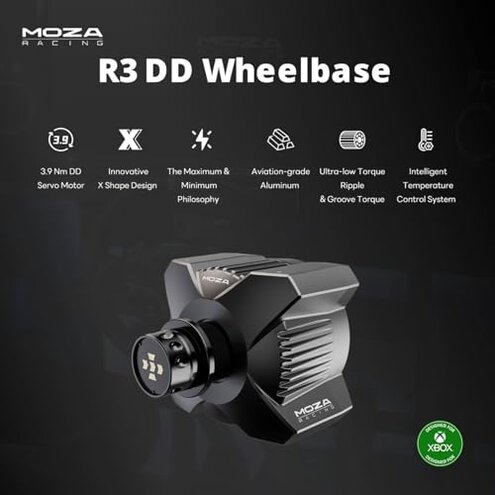
- Budget-minded beginners who want a compact DD base and can tolerate softer feedback.
- PC hobbyists who are comfortable tweaking firmware and pedal curves to improve feel.
- Users with rigs who already own a dedicated stand or strong desk to avoid clamp issues.
Expectation vs reality
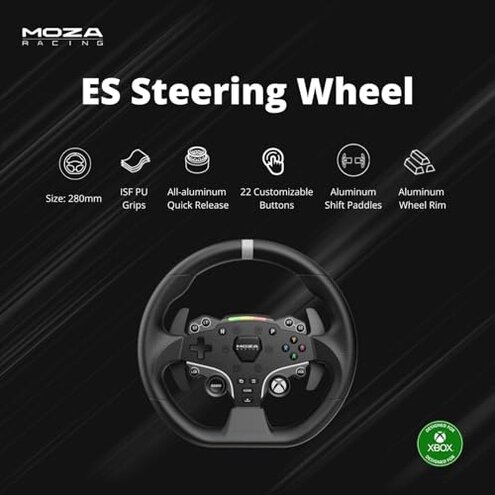
- Expectation Reasonable for this category: direct-drive should give deep, consistent feedback.
- Reality The wheel feels punchy but less deep and more variable than mid-range DD peers.
- Expectation Plug-and-play setup with simple app control is common for this price.
- Reality App and firmware steps add friction and occasional disconnections during use.
Safer alternatives
- Look for wheels with stronger baseline torque and wider positive feedback reports to avoid weak FFB.
- Choose bundles with well-reviewed pedals or replaceable pedal upgrades to limit early wear risks.
- Prefer devices with local profile saving to avoid cloud-only reliance and update interruptions.
- Check mounting compatibility notes and pick products with flexible rig/clamp options to avoid desk damage.
The bottom line
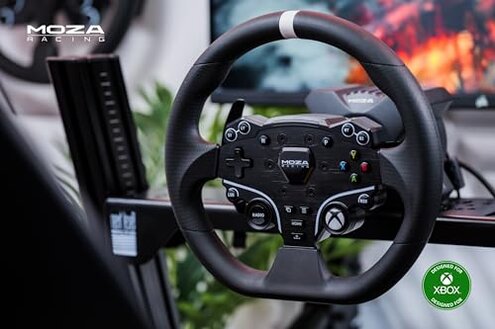
Main regret trigger is inconsistent and weaker-than-expected force feedback that appears early and worsens in long sessions.
Why it exceeds normal risk: app friction and clamp needs add setup cost and interruption compared with mid-range choices.
Verdict Avoid if you need reliable DD feedback and plug-and-play stability; consider if you accept tweaks and a solid mounting rig.
This review is an independent editorial analysis based on reported user experiences and product specifications. NegReview.com does not sell products.