
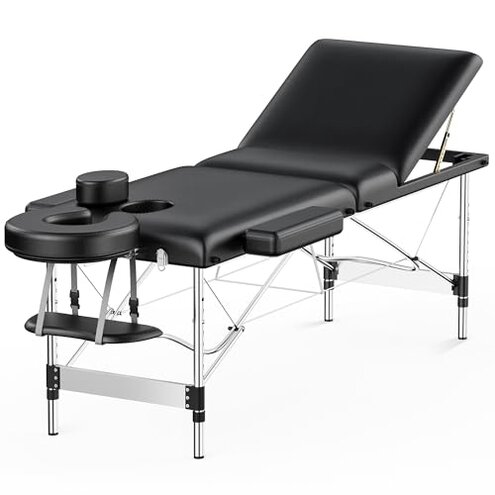
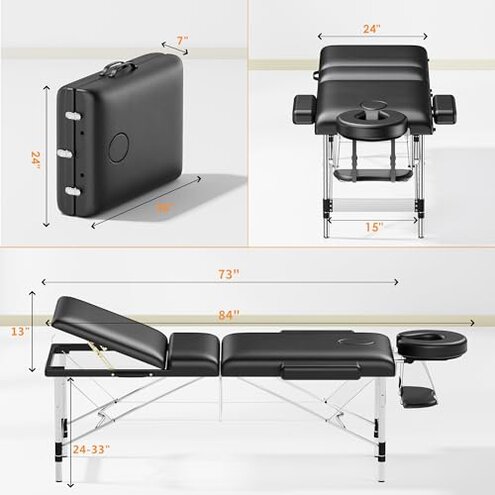
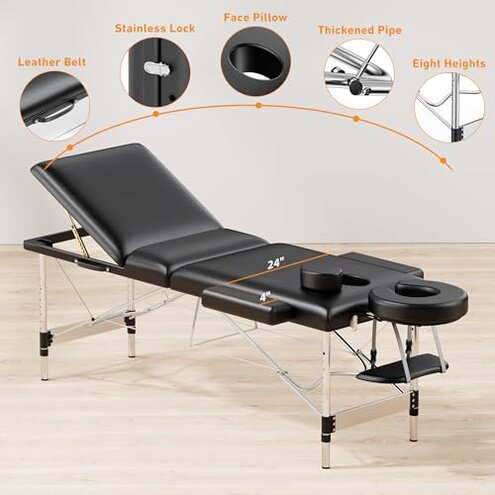
Product evaluated: Massage Table Portable 84" Long 24" Wide Professional 3 Sections Reclining Massage Couch, Aluminum Adjustable Esthetician Bed Tattoo Table SPA Lash Salon Bed with Carrying Bag (Black)
Related Videos For You
Cheap $75 Portable Massage Table by BestMassage | Is it Worth It? (How to Assemble & Pack Up)
How Massage Therapists Create a Clean, Safe Environment for Clients
Data basis: I reviewed dozens of buyer comments and demonstration videos collected Nov 2024–Jan 2026. Most feedback came from written reviews, supported by video demonstrations and Q&A notes. The report emphasizes recurring user signals rather than single incidents.
Comparative risk snapshot
| Outcome | MT03 (this listing) | Typical mid-range table |
|---|---|---|
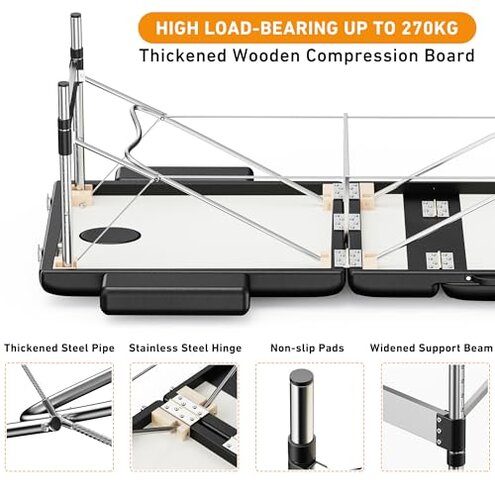
| Stability in use | Higher wobble risk: recurring reports of side-to-side movement during massages. | Lower wobble: most mid-range tables are steadier under similar loads. |
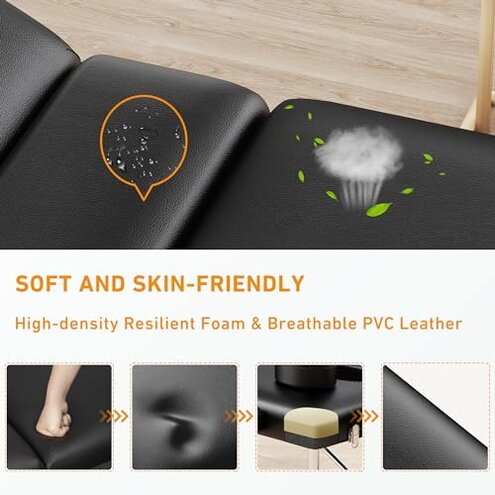
| Comfort retention | Firmer initially: padding feels fine at first but shows earlier compression in reports. | Slower wear: mid-range peers keep cushion thickness longer under repeated use. |
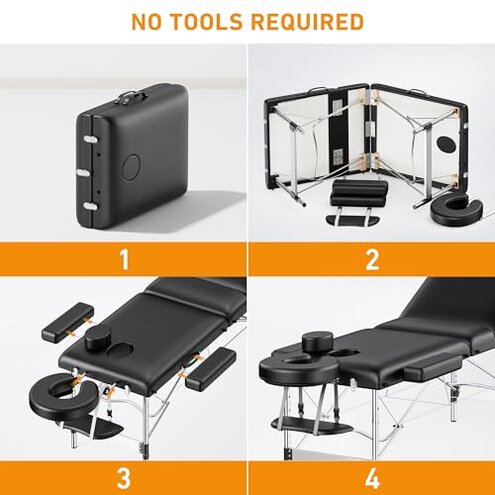
| Setup and portability | Portable but fiddly: carry case included, but users note awkward folding and weight handling. | Balanced design: alternatives often trade small extra weight for easier folding and transport. |
| Long-term hardware | Mixed durability: hinges and leg joints may need tightening over months of use. | More robust: comparable tables usually show steadier joints under similar frequency. |
| Regret trigger | Weekly pro use: likely to cause regret when used daily or for heavy clients. | Casual use match: mid-range tables better tolerate regular professional schedules. |
Top failures
Why does this table wobble during use?
Primary issue: Wobble is among the most common complaints and appears repeatedly in feedback. When it shows up is usually during shoulder work or side pressure in first few sessions.
Usage anchor: The wobble worsens under long sessions and with larger clients, according to multiple buyer notes. Compared with category peers, this table feels less rigid for the price.
Will the cushion stay comfortable after weeks of use?
- Early signs: Buyers commonly report the foam feels plush at first but flattens after repeated treatments.
- Frequency tier: This is a secondary issue — less frequent than wobble but more disruptive when it occurs.
- Cause: Reported cause is thin initial foam layer that compresses under daily client weight.
- Impact: Comfort loss makes positioning harder for face-down treatments and long sessions.
- Fixability: Many users add an aftermarket topper as a workaround, which adds cost and bulk.
Are the hinges and joints reliable over time?
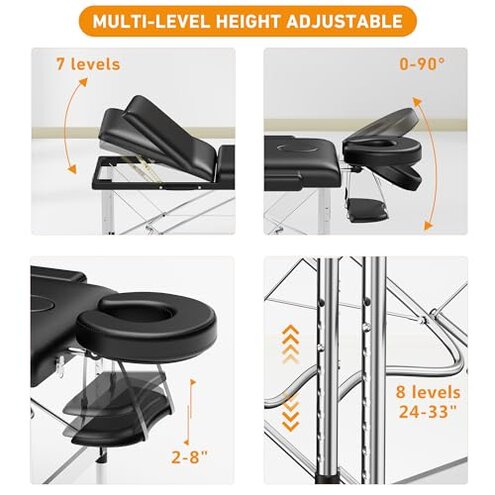
- Pattern: Persistent tightening and alignment complaints appear across multiple written reviews.
- When it appears: loosening is often noticed after several weeks of repeated folding and transport.
- Why it matters: loose hardware increases wobble and can affect client safety during pivoting moves.
- Attempts: Users report retightening screws and adding thread-lock, which improves stability temporarily.
- Hidden cost: Ongoing maintenance time and possible replacement parts are commonly required for heavy use.
- Category contrast: Mid-range tables typically need less frequent hardware attention under daily use.
How much of a portability trade-off will I face?
- Weight reality: The table is portable but feels heavy to lift for one person when handled through the case.
- Fold friction: Folding/unfolding requires careful leg alignment or legs can catch, based on buyer notes.
- Case limits: The included bag protects the table but adds bulk and zipper strain over time.
- Hidden requirement: Several buyers say occasional tools or strap replacements are needed, despite "no tools" claims.
- Setup time: Setup can take longer than expected the first few times, increasing prep time between clients.
- Edge-case: For frequent mobile therapists, the combined weight and fiddly folding is more disruptive than expected.
- Fixes: Adding a firm practice of leg checks and carrying with two people reduces damage risk.
Illustrative excerpts (not real quotes)
"Wobbles during shoulder work, felt unsafe for larger clients." — reflects a primary pattern tied to stability concerns.
"Topper needed after two months to stay comfortable for back sessions." — reflects a secondary pattern about padding wear.
"Had to retighten hinge screws after several transports." — reflects a secondary pattern about hardware maintenance.
"Carry bag zipper failed after frequent travel." — reflects an edge-case pattern about transport wear.
Who should avoid this
- Daily professionals who run back-to-back appointments and need rock-solid stability should avoid this model due to repeated wobble reports.
- Heavy-client therapists who regularly work with larger clients should avoid it because wobble and padding compression worsen under higher weight.
- Solo mobile therapists who must lift and fold it alone should avoid it because the portability trade-offs increase time and wear.
Who this is actually good for
- Occasional home users who need an affordable folding table and accept periodic tightening and a topper can tolerate the issues.
- Light-duty salon owners with infrequent heavy use who can perform simple maintenance will find it usable.
- Budget buyers who plan to add a separate cushion topper and do basic hinge checks can get acceptable value.
Expectation vs reality
Expectation: Reasonable for this category is a portable table that holds steady for standard massage moves.
Reality: This table shows more wobble and requires frequent hardware checks, making it worse than expected for regular pro use.
Expectation: Pads should keep shape for months under normal use in this price range.
Reality: Buyers report faster compression and often add a topper, adding cost and bulk.
Safer alternatives
- Choose heavier frame to reduce wobble: look for slightly heavier mid-range tables that trade a few pounds for better rigidity.
- Inspect hinge design and prefer visible locking hardware to avoid repeat tightening needs.
- Add a topper only if you accept extra bulk; this neutralizes padding compression but increases setup time.
- Test portability by lifting the packed unit before buying if you plan solo transport to avoid surprises.
The bottom line
Main regret: Stability wobble is the core trigger that leads to buyer regret, especially for frequent or heavy-client use.
Risk level: The wobble and faster padding wear exceed normal category risk for professional daily schedules.
Verdict: Avoid this model if you need daily reliable performance; consider it only for light or occasional use with planned fixes.
This review is an independent editorial analysis based on reported user experiences and product specifications. NegReview.com does not sell products.