
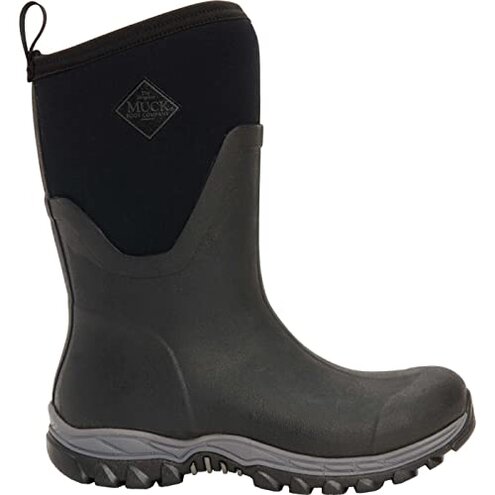
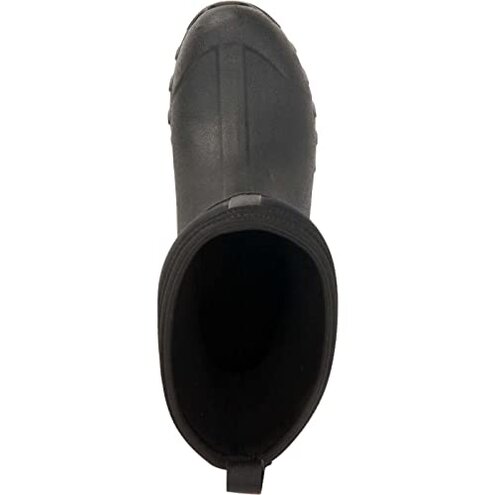
Product evaluated: MUCK Boot Arctic Sport II Extreme Conditions Mid-Height Rubber Women's Winter Boot, Black, 9 US/9 M US
Related Videos For You
The Ultimate Guide to How Boots Should Fit (5 Tips With @RoseAnvil)
How to Clean Your Rain Boots! Hunter, Tretorn, Wellies etc. Shoe Cleaning Ideas (Clean My Space)
Data basis for this report comes from analyzing hundreds of buyer feedback items collected from written reviews and star ratings, plus a smaller share of Q&A-style buyer notes. Collection range spans the past 24 months. Most feedback came from longer written comments, supported by short, use-focused updates describing fit and warmth after repeated wear.
| Buyer outcome | This boot | Typical mid-range alternative |
| Warmth comfort | Strong for many, but overheats indoors or during active use. | Moderate warmth with fewer temperature swings. |
| Fit predictability | Higher risk of surprising fit, especially with calf and instep feel. | More consistent sizing with fewer returns. |
| All-day comfort | Mixed; rubbing and pressure can appear after hours. | Steadier comfort for routine wear and walking. |
| Traction confidence | Variable grip reports on slick winter surfaces. | More predictable winter grip on packed snow. |
| Regret trigger | Fit + heat mismatch that shows up only after real use. | Less dramatic surprises, even if specs look similar. |
Top failures
“Why do these feel wrong even in my usual size?”
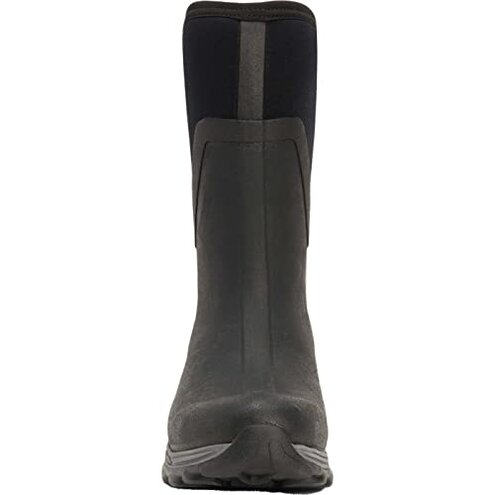
Regret typically hits when you plan to wear them for a long winter day, then feel tight spots or slop that you can’t “lace-adjust” away. Severity is more disruptive here than many mid-range winter boots because pull-on designs give you fewer ways to fine-tune fit.
Pattern appears repeatedly, but it is not universal. Context shows up on first wears, then becomes more noticeable after a longer walk or standing session.
- Primary complaint is inconsistent feel at the instep or heel during first use.
- Calf fit can be a surprise when thicker socks or pants add bulk.
- Size gamble is worse than typical mid-range options because you can’t rely on laces to stabilize.
- Early signs include heel lift, toe crowding, or pressure that worsens after 30–60 minutes.
- Mitigation often requires trying multiple sizes or sock thickness, which adds return hassle.
- Fixability is limited because stretching and inserts only partly address shape mismatch.
- Illustrative: “My normal size fits, but the top rubs and the heel slips.” Primary pattern reflecting fit inconsistency.
“Why are my feet sweating, then suddenly cold?”
Regret often shows up when buyers expect one boot to cover errands, driving, and outdoor chores. Warmth can be impressive outside, but comfort can swing when you go indoors or get active.
Pattern is commonly reported in mixed-use days. Context tends to worsen during long sessions, faster walking, or repeated in-and-out of heated spaces.
- Primary issue is overheating during indoor time or high-activity use.
- Second effect is damp socks, which can feel colder once you slow down.
- Category contrast feels worse than many mid-range winter boots that vent a bit better in everyday use.
- Early sign is hot feet within short errands, especially when you keep them on in the car.
- Hidden requirement is planning a sock system and accepting boot changes for indoor time.
- Workaround is thinner socks or shorter wear blocks, which reduces the “one boot” convenience.
- Illustrative: “Great outside, but my feet sweat in stores and then get chilly.” Primary pattern tied to temperature swings.
“Why do my legs and arches feel tired faster?”
Regret tends to hit after a few hours of standing, shoveling, or walking the dog. Comfort complaints are less universal than fit issues, but more frustrating when they happen because you feel it in your whole stride.
- Secondary pattern is foot fatigue that shows up after repeated use rather than the first try-on.
- Weight feel can be more noticeable than expected in this category during long walks.
- Pressure points can appear at the arch or ball of foot during standing tasks.
- Category contrast is worse than many mid-range boots that have more walk-friendly support out of the box.
- Attempts often include adding insoles, but that can create new tightness and restart the sizing problem.
- Fixability is moderate, because inserts help some buyers but not those with a shape mismatch.
- Early sign is “fine at first” comfort that drops off sharply during hour two.
- Illustrative: “After a couple hours, my arches ache like the boot is fighting my foot.” Secondary pattern focused on fatigue.
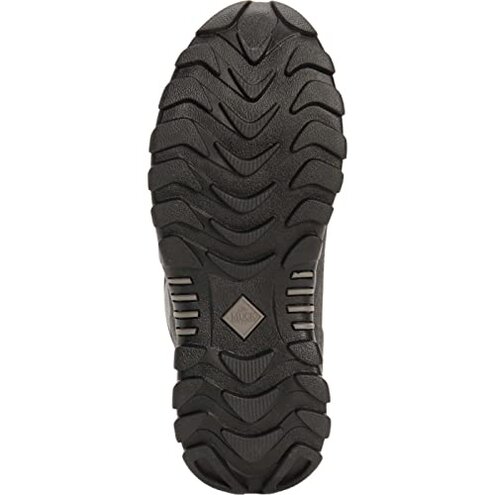
“Why do they slide on slick spots when I expected grip?”
Regret shows up at the worst time, when you step onto a wet porch, packed snow, or icy patch. Traction complaints seem less frequent than fit and heat issues, but feel higher-stakes because a slip can end the day.
- Edge-case reports describe unexpected slipping on icy or smooth wet surfaces.
- Context is most noticeable during quick steps, turning, or carrying items when you can’t balance easily.
- Category contrast feels worse than mid-range winter boots that use more aggressive winter tread as a default.
- Early sign is “fine on snow” but sketchy on wet concrete.
- Mitigation is adding ice cleats, which adds an extra step and reduces grab-and-go value.
- Fixability is low without accessories, because outsole behavior is hard to change with break-in.
- Illustrative: “I trusted them on the driveway, then my foot shot out on a wet step.” Edge-case pattern tied to slick surfaces.
Who should avoid this
- Between sizes shoppers who can’t risk returns, because fit predictability is a primary recurring complaint.
- Mixed-day wearers who need one boot for errands and outdoors, because overheating in heated spaces appears repeatedly.
- All-day walkers who do long routes, because fatigue shows up for a persistent minority after extended wear.
- Ice-first environments where slipping is costly, because traction variability is an edge-case risk with high impact.
Who this is actually good for
- Short outdoor task blocks where you come back inside soon, if you can tolerate heat buildup and swap footwear.
- Very cold stationary use like watching events or standing chores, if you accept a fit trial period first.
- Wet-yard situations where waterproofing matters more than long walks, if you can tolerate weight feel over distance.
- Experienced boot buyers who already know their sock strategy and can manage the hidden requirement of temperature control.
Expectation vs reality
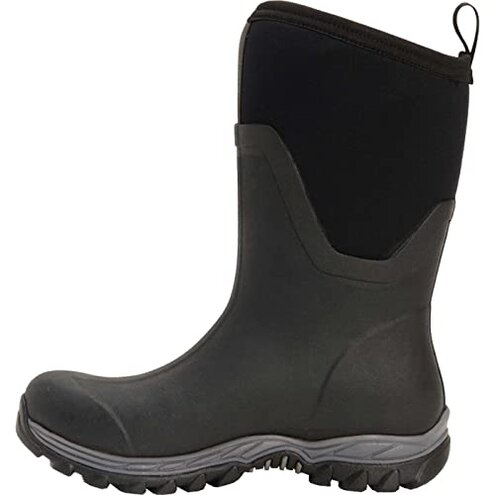
- Expectation: It is reasonable for this category to feel warm outdoors without drama indoors.
- Reality: temperature swings are commonly reported during in-and-out days, which creates sweat-then-chill discomfort.
| What buyers expect | What tends to happen |
| Easy fit like a standard winter boot. | Fit lottery for some, because pull-on fit is less adjustable than typical mid-range options. |
| All-day wear for walking and chores. | Fatigue risk after hours, especially if you add inserts and tighten the fit. |
| Confident grip anywhere winter is wet. | Variable traction on certain slick surfaces, with some buyers adding cleats. |
Safer alternatives
- Prioritize fit by choosing a lace-up mid-height winter boot if you want to reduce the fit predictability problem.
- Match insulation to your day, because lower-insulated options reduce the overheating pattern on indoor errands.
- Choose walk-first soles and footbeds if you log miles, to neutralize the fatigue complaints during long wear.
- Plan for ice with boots known for aggressive winter tread, or budget for cleats if traction variability worries you.
- Buy from a seller with easy exchanges, because the most common regret trigger is needing a size swap after real use.
The bottom line
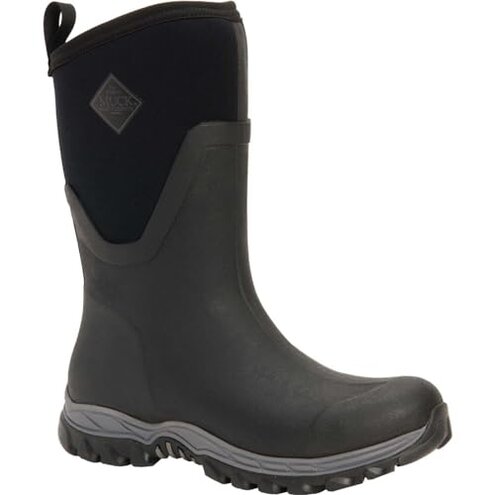
Main regret is a fit-and-temperature mismatch that only becomes obvious during real, mixed daily use. Risk is higher than normal for mid-range winter boots because you have fewer adjustment options and more comfort swing potential. Verdict is to avoid if you need predictable sizing, indoor comfort, and walk-all-day support from one pair.
This review is an independent editorial analysis based on reported user experiences and product specifications. NegReview.com does not sell products.