
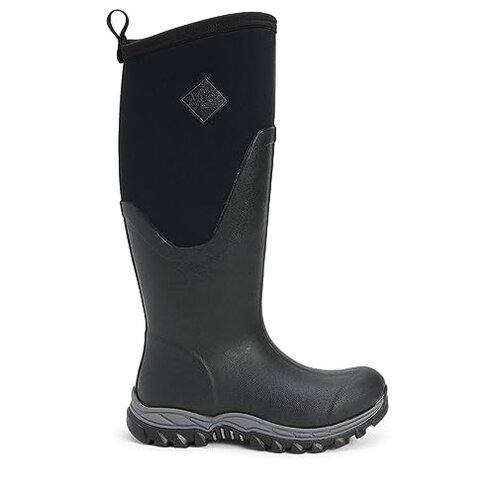
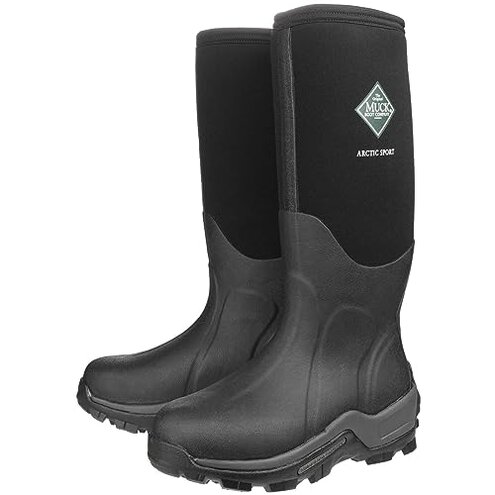
Product evaluated: MUCK Women's Arctic Sport II Tall Boot, Black, Size 8(M)
Related Videos For You
THE BEST WINTER BOOTS! | COLD WEATHER BOOTS FOR WOMEN
The North Face Ozone Park Winter Pull-On Boot SKU: 9068356
Data basis: This decision report is built from dozens of aggregated shopper submissions collected from written reviews and star ratings, plus a smaller share of photo-backed comments. The collection window spans 2019–2026. Most feedback came from longer written notes about fit and day-to-day wear, with the rest coming from quick ratings that still cluster around the same buyer pain points.
| Buyer outcome | This MUCK boot | Typical mid-range alternative |
| Fit predictability | Higher risk of “between sizes” feel and heel movement | More consistent sizing across common foot shapes |
| All-day comfort | Mixed, with pressure points showing up during longer wear | Steadier comfort for typical errands and shifts |
| Warmth experience | Polarizing, depends heavily on socks and activity level | More predictable warmth for “cold, not extreme” use |
| Ease of putting on | Can frustrate if you have higher insteps or thicker socks | Typically easier entry with fewer “stuck” moments |
| Regret trigger | Fit gamble that only shows itself after longer walks | Lower gamble, issues appear earlier in the try-on |
Why do they feel fine at first, then get annoying later?
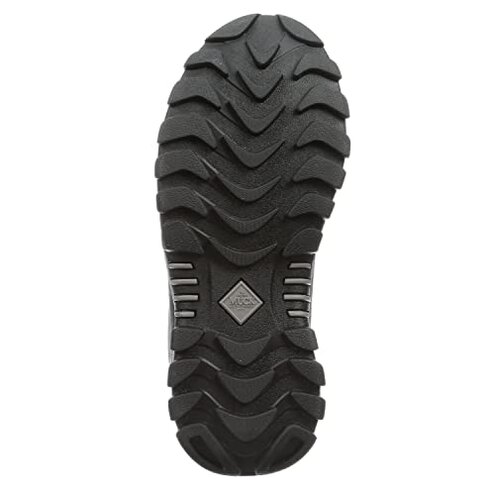
Regret moment: you buy them for cold, wet work and the first try-on seems okay.
Then the discomfort shows up during longer walks or standing, and it becomes a “can I make this work?” boot.
Pattern: this is a primary issue that appears repeatedly in feedback, but it is not universal.
When it hits: it tends to show up after extended wear, especially with thicker socks or lots of stop-and-go steps.
Category contrast: mid-range winter boots often reveal comfort problems in the first hour. These are commonly reported to disappoint after you commit to a full outing.
- Early sign: they feel “okay” indoors but get worse once you walk longer.
- Primary pattern: discomfort is commonly reported after real use, not just a quick try-on.
- Pressure spots: rubbing or pinching can show up around the foot or ankle during longer sessions.
- Heel movement: some buyers describe a sloppy heel feel that turns into blisters over time.
- Hidden requirement: you may need sock experimentation to find a thickness that doesn’t cause rubbing.
- Mitigation: using different socks can help, but it adds trial-and-error that many alternatives don’t require.
- Fixability: if the shape mismatch is the issue, “breaking in” is less reliable than shoppers expect.
Illustrative excerpt: “Feels great in the kitchen, hurts after a long dog walk.”
Why it matters: this reflects a primary pattern tied to extended wear.
Are these boots a sizing gamble?
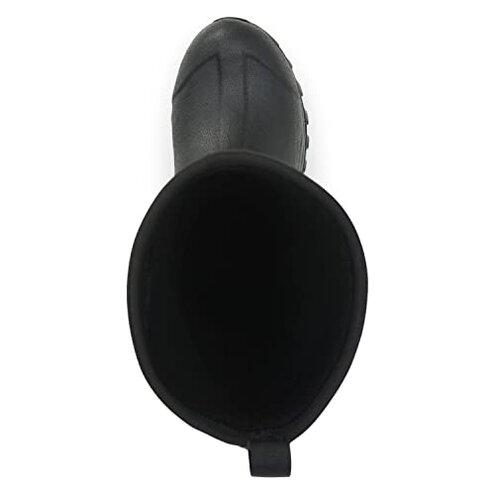
- Fit drift: sizing confusion is a primary issue and appears repeatedly in aggregated feedback.
- When it appears: it shows up at first try-on, then gets amplified once you add winter socks.
- Too tight: some report cramped toes or top-of-foot pressure, especially with thicker socks.
- Too loose: others report sliding and heel lift, which becomes worse during longer walks.
- Category contrast: some variation is normal in boots. This model is often described as less forgiving than typical mid-range options.
- Return friction: if you are between sizes, you may face extra exchanges to land the right fit.
- Mitigation: ordering with your intended socks helps, but it is an extra planning step.
- Edge condition: foot shape differences can make “same size as usual” feel unreliable.
Illustrative excerpt: “My usual size was loose, but one down squeezed my toes.”
Why it matters: this reflects a primary pattern about inconsistent sizing feel.
Do they stay warm the way you expect?
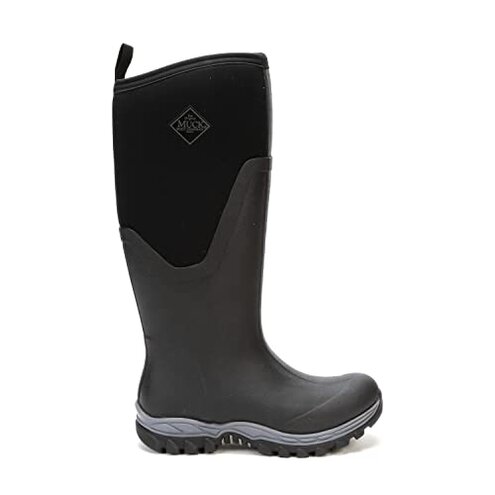
- Expectation gap: warmth satisfaction is a secondary issue that shows up persistently.
- When it hits: complaints tend to appear during standing still or slower activities in colder weather.
- Activity dependence: warmth can feel fine while moving, but less so when you stop for long periods.
- Sock reliance: some buyers report needing thicker socks than expected to feel comfortable.
- Category contrast: many winter boots deliver “good enough” warmth with regular socks. Here, the comfort outcome is more dependent on your setup.
- Trade-off: thicker socks can worsen fit problems, creating a loop of adjustments.
Illustrative excerpt: “Warm when moving, but my feet got cold while watching the game.”
Why it matters: this reflects a secondary pattern tied to low-activity use.
Is getting them on and off as easy as it sounds?
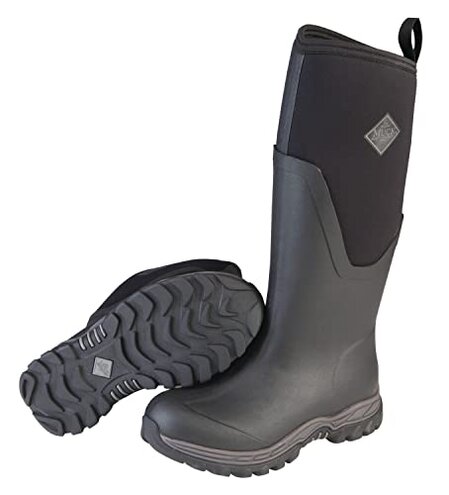
- Real-world hassle: entry and removal is a secondary issue that appears repeatedly.
- When it happens: it shows up during daily on/off cycles, especially when you are in a hurry.
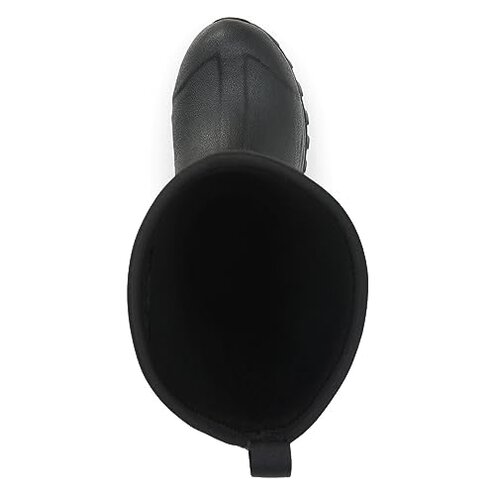
- High-instep pain: people with higher insteps report more struggle pulling them on.
- Thick socks: bulkier socks can turn “easy pull-on” into a two-hands job.
- Category contrast: pull-on winter boots are expected to be quick. This one can demand more effort than typical mid-range pull-ons.
- Small workaround: changing sock thickness can help, but it creates a routine constraint.
Illustrative excerpt: “I love the idea, but I wrestle them on with thick socks.”
Why it matters: this reflects a secondary pattern about day-to-day handling.
Who should avoid this
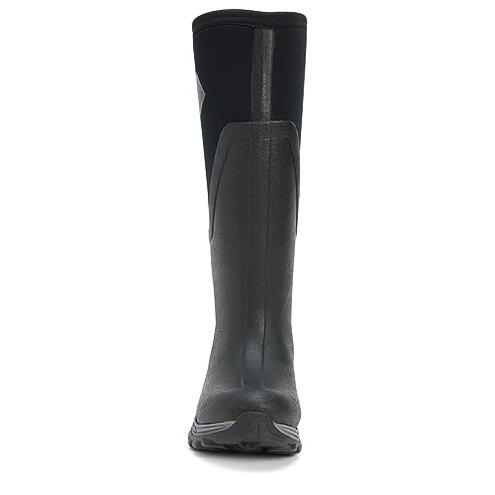
- Between sizes shoppers who hate exchanges should avoid the repeated fit gamble pattern.
- All-day wear users should avoid if you can’t tolerate comfort issues that show up after long walks and standing.
- High insteps or mobility limits should avoid if “pull-on” needs to be truly effortless daily.
- Cold stationary use should avoid if you need dependable warmth while standing still without sock tinkering.
Who this is actually good for
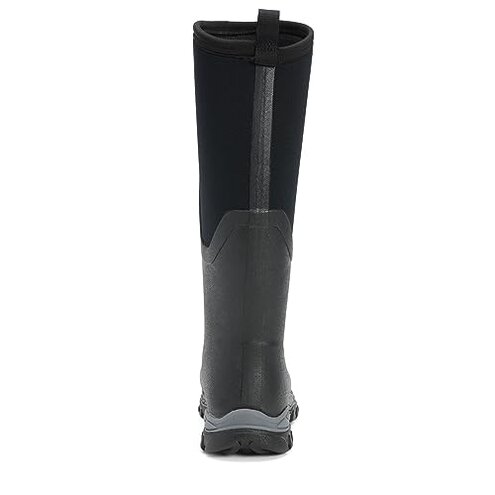
- Short bursts users who wear them for brief outdoor tasks and can tolerate comfort variability.
- Active days where you keep moving, and the secondary warmth dependence issue is less noticeable.
- Patient fitters who are willing to do sock trials and possibly a return to dial in fit.
- Quick mud work where waterproof performance matters more than all-day comfort consistency.
Expectation vs reality
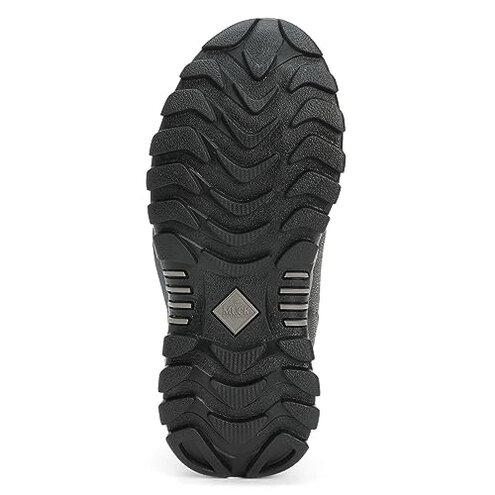
- Expectation: pull-on boots are easy on/off for this category. Reality: entry effort is a persistent secondary complaint, worse with thick socks.
- Expectation: sizing is close enough that one try-on settles it. Reality: fit outcomes are a primary pattern and may require extra exchanges.
| What you plan | What can happen |
| Wear all day for chores and walks | Hot spots appear after extended wear, not right away |
| Stay warm during outdoor waiting | Warmth swings depending on movement and sock choices |
Safer alternatives
- Prioritize boots with widely praised fit consistency if you want fewer exchanges than this model commonly requires.
- Choose designs with adjustable closure if you want to reduce the heel slip and rubbing pattern during long walks.
- Shop for cold-rated options that buyers describe as warm while standing still, not only while moving.
- Look for “easy entry” feedback from higher-instep wearers to avoid the daily struggle scenario.
The bottom line
Main regret is the fit-and-comfort gamble that often only shows up after extended wear.
Category risk feels higher than normal because the same boot can run both loose and tight depending on socks and foot shape.
Verdict: if you need predictable sizing and all-day comfort without tinkering, this is a smart avoid.
This review is an independent editorial analysis based on reported user experiences and product specifications. NegReview.com does not sell products.