
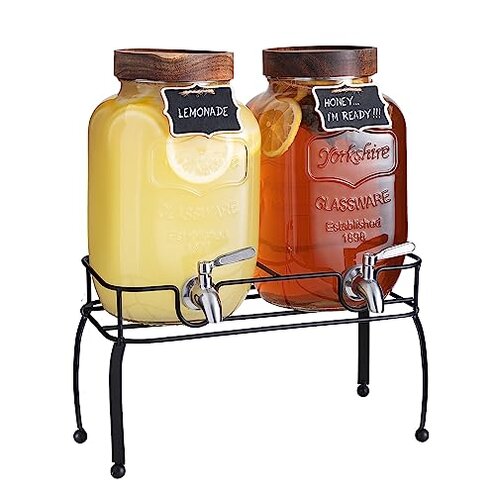
Product evaluated: mustry Glass Drink Dispenser for Parties, 1 Gallon Beverage Dispenser with Stand and Spigot Solid Stainless Steel, Used as Lemonade Dispenser Sun Tea Jar Kombucha Jar, Set of 2
Related Videos For You
How to replace and fix leaky water beverage cooler spigot video #igloo #watercooler #cooler #leak
Bluewave 3 Step Metal Stand for Beverage Dispenser Crock & Water Bottles & Jugs - Setup Instructions
Data basis: This report is based on dozens of aggregated buyer feedback collected across a recent 12-month window. Inputs included a mix of written ratings and photo/video-backed posts showing real setup and pouring. Most detail came from longer written complaints, with support from visual proof when issues happened during first use or after a few refills.
| Buyer outcome | mustry set of 2 | Typical mid-range alternative |
|---|---|---|
| Leak risk | Higher-than-normal concern around spigot seals, often after setup. | Moderate, usually fixed by tightening once and forgetting it. |
| Stability on counter | More finicky with stand height and full-weight wobble during serving. | More forgiving, fewer complaints about tipping or rocking. |
| Pour experience | Inconsistent flow that can require lid “breathing” to pour smoothly. | More consistent pour without extra steps. |
| Cleaning effort | Extra steps around spigot parts and re-sealing to prevent drips. | Typical rinse-and-wash with fewer re-assembly complaints. |
| Regret trigger | Slow drip or a surprise puddle during a party or overnight fridge use. | Rare “wake up to a leak” scenarios when assembled correctly. |
Will it leak right when you start using it?
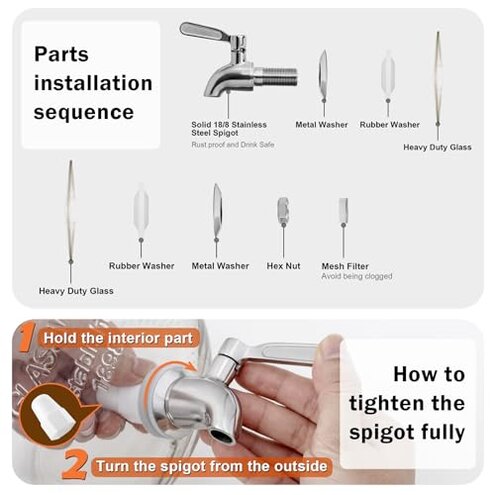
Regret often starts as a small drip that turns into a sticky cleanup when the jar sits full for hours. This is more disruptive than expected for this category because drink dispensers are bought to reduce mess, not add it.
Pattern wise, leak and drip complaints appear repeatedly, though they are not universal. The issue shows up after setup and worsens during long sessions like parties, or when left filled in the fridge overnight.
- Primary signal: Drips around the spigot area are a primary complaint cluster in longer feedback.
- When it hits: Leaks often appear on first fill or after the first disassembly and reassembly for cleaning.
- Worse conditions: Dripping is more likely when it stays full for hours, or when guests repeatedly open and close the spigot.
- Hidden requirement: You may need careful gasket placement and “just right” tightness, which is less forgiving than typical mid-range dispensers.
- Fix attempts: Buyers commonly try re-seating seals and re-tightening, which adds extra steps each time.
- Impact: A slow drip creates puddles under the stand, which is especially annoying on wood counters or tablecloths.
- Fixability: Some manage to stop leaks with careful assembly, but the risk feels persistent because it can return after cleaning.
Illustrative: “I tightened it, then it still dripped slowly all afternoon.”
Explanation: This reflects a primary pattern tied to seal setup and long sit times.
Does the stand wobble when it’s full?
- Common frustration: Stability complaints show up repeatedly, especially once the jar is filled close to capacity.
- When it shows: Wobble is noticed during daily serving, when pressing the spigot lever or bumping the table.
- Why it stings: A dispenser on a stand is supposed to feel secure, and this can feel worse than the category baseline.
- Real impact: Even slight rocking makes users hold the jar with one hand, which defeats the hands-free idea.
- Surface sensitivity: It tends to be worse on uneven counters or folding party tables.
- Workarounds: Some buyers report needing a mat or careful placement, which is a hidden setup step.
- Regret moment: The scariest scenario is a near tip during a busy gathering, which is more stressful than expected.
- Not universal: A subset report it feels fine, suggesting the experience is variable by surface and assembly.
Illustrative: “I had to steady it every time someone poured a cup.”
Explanation: This maps to a secondary pattern tied to stand stability under load.
Is the pour flow annoyingly inconsistent?
Regret here is subtle but constant: the spigot pours slowly, then you fiddle with the lid, then it improves. This trade-off feels more finicky than most mid-range dispensers, which usually pour predictably once assembled.
Pattern wise, flow complaints are less frequent than outright leaks, but they are more irritating during real hosting. It often happens during use, especially when the lid is tightened fully and the jar is near full.
- Early sign: You notice a glugging or slow stream when the drink level is high.
- Trigger moment: It shows up when serving back-to-back cups at a party.
- What buyers do: People report slightly loosening the lid to let air in, which is a hidden handling requirement.
- Why worse than normal: Many alternatives don’t require lid adjustments for a steady flow.
- Side effect: A loosened lid can increase worry about drips or spills if the jar gets bumped.
- Not universal: Some users don’t notice it, suggesting it’s conditional on fill level and how tightly the lid is set.
Illustrative: “It only pours right when the lid isn’t fully tight.”
Explanation: This reflects a secondary pattern related to air pressure and pouring.
Will cleaning and reassembly become a recurring chore?
- Persistent theme: Cleaning complaints appear repeatedly because the spigot area needs attention to avoid later drips.
- When it bites: The hassle shows up after each batch of tea, juice, or kombucha.
- Category contrast: Mid-range dispensers still need cleaning, but this one is reported as less forgiving after reassembly.
- Extra steps: Buyers describe needing to fully dry parts and reseat seals, which adds time before storage.
- Staining worry: The chalk label feature is cute, but it can become one more thing to maintain for a neat look.
- Mismatch risk: If you clean quickly and reassemble fast, you may reintroduce drip problems later.
- Best-case: If you treat it as a “careful hand-wash only” item, it can be manageable, but it’s higher effort than many expect.
Illustrative: “Cleaning was fine, but reassembling without leaks took trial and error.”
Explanation: This matches a primary pattern where maintenance ties directly to leak risk.
Who should avoid this
- Mess-averse hosts who will regret even occasional drips during a party.
- Set-and-forget shoppers who expect a dispenser to work without lid tweaks or seal fuss, because the hidden steps show up in real use.
- Busy households that refill daily, since repeated disassembly increases the chance of a recurring leak.
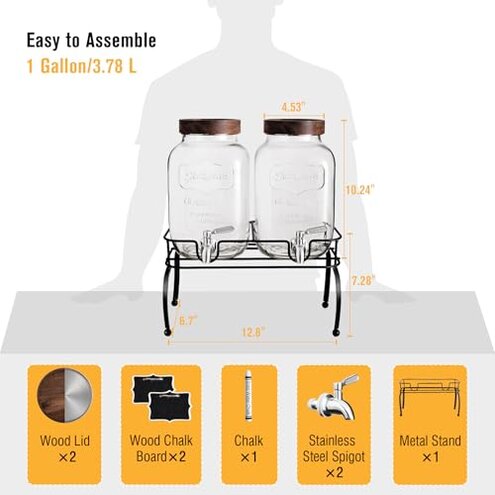
- Small-space kitchens where a wobble-prone stand on limited counter space becomes a spill risk.
Who this is actually good for
- Occasional entertainers who can test with water first and accept extra setup to reduce drip risk.
- DIY-tinkerers who don’t mind re-seating seals and adjusting lid tightness to get a stable pour.
- Fridge beverage planners who keep it in one spot and pour gently, tolerating stand sensitivity to avoid wobble.
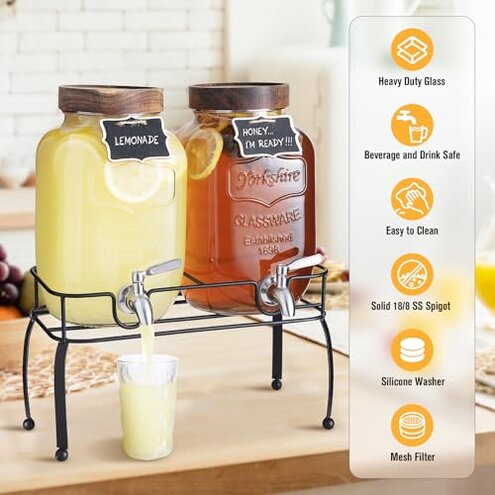
- Decor-first buyers who value the two-dispenser look and accept more cleaning steps to prevent mess.
Expectation vs reality
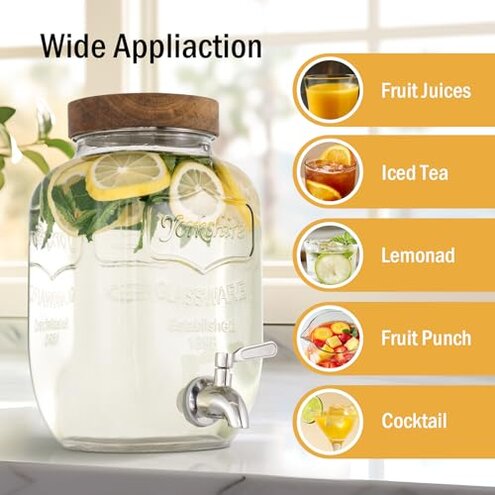
Expectation: A reasonable expectation for this category is a steady pour without any lid adjustments.
Reality: Feedback shows you may need to manage lid tightness for smooth flow, which feels fussier than mid-range norms.
- Expectation: A stand should feel stable once placed on a counter.
- Reality: Stability can be surface-dependent, and some buyers end up steadying it while serving.
| What you want | What can happen |
|---|---|
| No puddles under the spigot after hours. | Slow drip that appears after setup or after reassembly. |
| Easy cleanup and done. | Repeat checks on seals and tightness to prevent later leaks. |
Safer alternatives
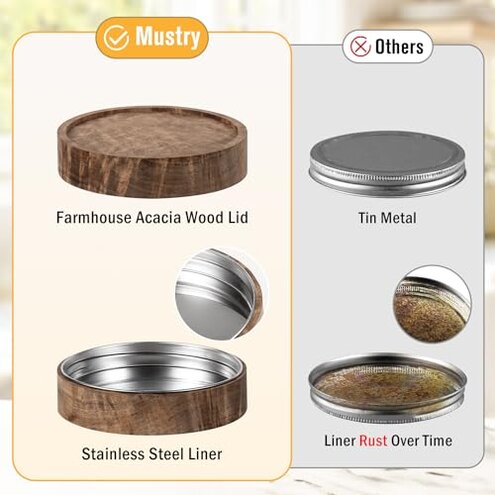
- Choose a simpler spigot design with fewer parts to reassemble, to reduce the post-clean leak pattern.
- Prefer a lower center-of-gravity setup, like a dispenser that sits without a tall stand, to neutralize wobble risk.
- Look for vented-lid designs or models known for steady flow, so you don’t need lid tweaking during serving.
- Buy one first instead of a set of two if you’re risk-averse, because doubling units can double maintenance headaches.
- Prioritize easy-to-clean spigots if you make sugary drinks often, since sticky residue amplifies drip frustration.
The bottom line
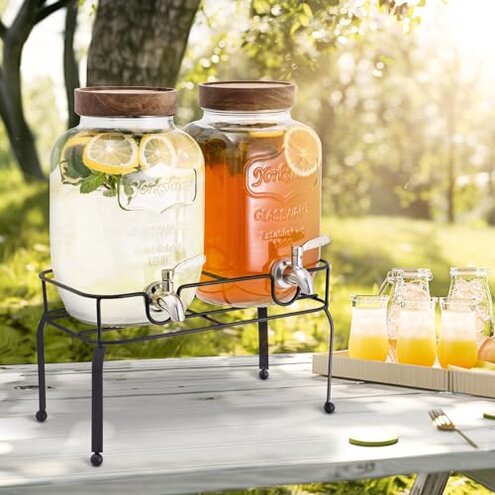
Main regret trigger is a slow spigot drip that shows up after setup or after cleaning, especially when left full for hours. That risk is higher-than-normal for mid-range drink dispensers because it adds cleanup and constant re-checking. If you want a dispenser that behaves predictably with minimal fuss, you should avoid this and pick a more forgiving design.
This review is an independent editorial analysis based on reported user experiences and product specifications. NegReview.com does not sell products.