
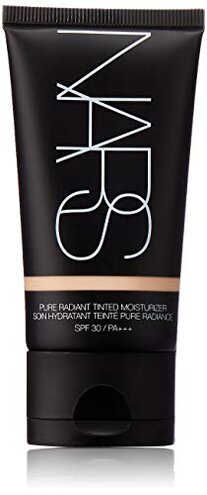
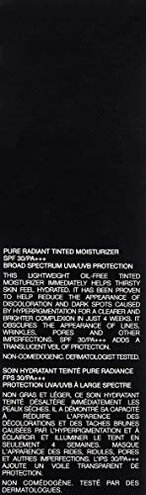
Product evaluated: NARS Pure Radiant Tinted Moisturizer SPF 30PA+++ 1.7, Finland - Lightest with a neutral balance of pink and yellow undertones, 1.9 Ounce (I0081565)
Related Videos For You
How to Choose And Apply Pure Radiant Tinted Moisturizer | NARS
How To Find Your BEST Foundation Shade • easy for makeup beginners!
Data basis for this report comes from analyzing dozens of buyer experiences collected across a multi-year date range, from 2012 to the present. The mix included mostly written feedback, supported by some photo-based wear checks and occasional video-style demonstrations. Most signals came from longer, usage-focused notes rather than one-line ratings, which helps surface how problems show up during real-day wear.
| Buyer outcome | NARS Pure Radiant Tinted Moisturizer | Typical mid-range tinted moisturizer |
|---|---|---|
| Shade match tolerance | Riskier if you are near an undertone boundary | More forgiving shade ranges and undertones |
| Wear texture during the day | More likely to look uneven on dry or textured skin | Usually steadier on normal-to-dry skin |
| Product behavior with skincare | Higher chance of pilling if layered wrong | Lower layering sensitivity |
| Value per use | Harder to justify if it needs extra steps | Easier to use daily without tweaks |
| Regret trigger | Looks off in daylight after a few hours | Minor issues but fewer “why does it look weird” days |
Top failures
Why does the shade look “right” at first, then wrong in daylight?
Regret moment tends to hit after you leave the house. It can look acceptable in indoor light, then read too pink, too yellow, or slightly off once you see it in natural light.
Pattern appears repeatedly, but it is not universal. It shows up most during first use and the first week, when buyers are still learning their best undertone match.
Worse than expected because tinted moisturizers are usually bought for “quick and forgiving” coverage. Here, the undertone mismatch can be more noticeable than typical mid-range options.
- Early sign is your face matching indoors but clashing with neck in window light.
- Primary issue is undertone reading differently once it settles during daily wear.
- Conditions worsen when you apply a normal amount and skip blending down the neck.
- Trade-off is a nice sheer finish, but less shade forgiveness than many peers.
- Mitigation often requires mixing shades or adding bronzer, which adds extra steps.
- Fixability is limited if you want one-product simplicity without custom mixing.
Why does it start to pill or ball up over skincare?
Regret moment is when your base turns into little rolled bits during blending. That is more disruptive than a little patchiness because it forces a full redo.
Pattern is a persistent secondary complaint. It most often appears during morning routines when layered over moisturizer, sunscreen, or primer.
Worse than expected because a tinted moisturizer is typically the “easy layer” product. Here, it can be less forgiving about what is underneath than many mid-range alternatives.
- When it hits is during blending with fingers, especially after skincare has not fully set.
- Secondary pattern shows up for some buyers across repeated daily use, not just one bad day.
- Trigger is rubbing or overworking the product while it is starting to dry down.
- Impact is visible texture and uneven coverage that reads worse up close.
- Hidden requirement is needing a wait time between layers, which many buyers do not expect.
- Workaround is patting instead of rubbing, which slows down application.
- Cost friction rises when you waste product during do-overs.
Why does it cling to dry patches and show texture?
- Regret moment often happens a few hours in, when dryness starts to show around the nose or chin.
- Recurring reports describe it looking less smooth on textured skin during normal day wear.
- When it shows up is after it sets, especially in drier indoor air or long wear days.
- More disruptive than typical because buyers expect tinted moisturizer to blur, not emphasize.
- Early clue is foundation-like settling even though the coverage is light.
- Attempted fix is heavier moisturizer, but that can increase pilling for some routines.
- Extra upkeep may include midday misting or re-blending, which is not “set and forget.”
- Best case is good skin days, but consistency can feel lower than mid-range peers.
Why does the SPF feel like a weak safety net?
- Regret trigger is relying on it as your only sun step and later realizing coverage amounts were too small.
- Commonly misunderstood use pattern is applying a thin layer for cosmetics, not for sun protection.
- When it matters is during outdoor errands or longer daylight exposure after a quick morning routine.
- Category gap is that many similar products market SPF, but this one still needs a separate sunscreen step for most routines.
Illustrative excerpts (not real quotes)
- “Looked fine in my bathroom, weirdly pink outside.” Primary pattern tied to undertone mismatch in daylight.
- “It started rolling up when I blended over moisturizer.” Secondary pattern tied to layering and wait-time friction.
- “My dry spots looked worse by lunchtime.” Secondary pattern tied to wear texture on dry skin.
- “SPF 30 sounded enough, but I can’t apply that much.” Edge-case regret tied to protection expectations versus cosmetic use.
- “For this price, I expected fewer bad-face days.” Primary pattern tied to value expectations and consistency.
Who should avoid this
- Undertone-sensitive shoppers who often see pink or yellow pull in daylight, because shade regret is a primary repeat signal.
- Dry-texture skin types who want smoothing without touch-ups, because cling can show up after a few hours.
- Fast routine people who layer multiple skincare steps, because pilling risk adds timing and technique requirements.
- SPF-reliant buyers who want one step for protection, because cosmetic amounts do not align with protection expectations.
Who this is actually good for
- Normal skin on “good skin days” who wants sheer coverage and accepts occasional texture shifts by afternoon.
- Experienced base users who already test shades in daylight and are willing to blend down the neck.
- Minimal layers routines that can skip heavy skincare underneath, reducing pilling probability.
- Separate sunscreen users who treat the SPF as a bonus and keep sun protection as its own step.
Expectation vs reality
| Expectation | Reality seen in patterns |
|---|---|
| Reasonable for this category: quick, forgiving shade match. | Less forgiving undertone behavior, with daylight mismatch being a primary regret trigger. |
| Easy layering over morning skincare. | More sensitive to layer order and wait time, with pilling as a persistent secondary issue. |
| Hydrated look that stays smooth through the day. | Can cling to dry areas after a few hours, making texture more visible than expected. |
Safer alternatives
- Test undertones by choosing brands with clear undertone labels and easy exchanges, which reduces the daylight mismatch risk.
- Pick forgiving formulas marketed for dry or textured skin, which directly targets the cling-and-texture complaint.
- Reduce pilling by choosing a tinted moisturizer known to layer well over sunscreen, if your routine is non-negotiable.
- Separate SPF by buying a dedicated sunscreen you already tolerate, then treat tint as makeup, not protection.
- Lower the stakes with a mid-range option first, if you dislike troubleshooting and do-overs at this price point.
The bottom line
Main regret is paying a premium and still getting avoidable “off” days from shade shift, pilling, or texture cling. Those issues show up often enough in repeated patterns to be higher risk than a typical mid-range tinted moisturizer. If you need a fast, foolproof base, this is a product many shoppers are safer skipping.
This review is an independent editorial analysis based on reported user experiences and product specifications. NegReview.com does not sell products.