
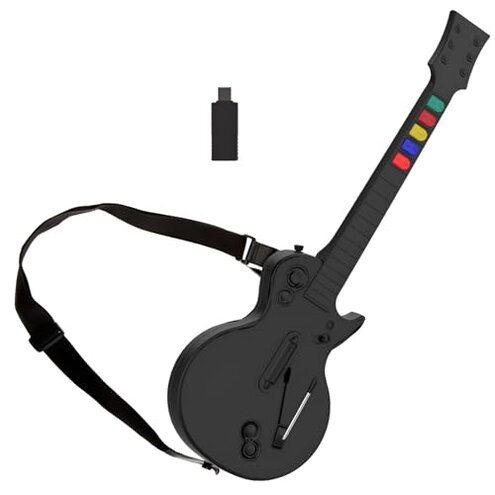
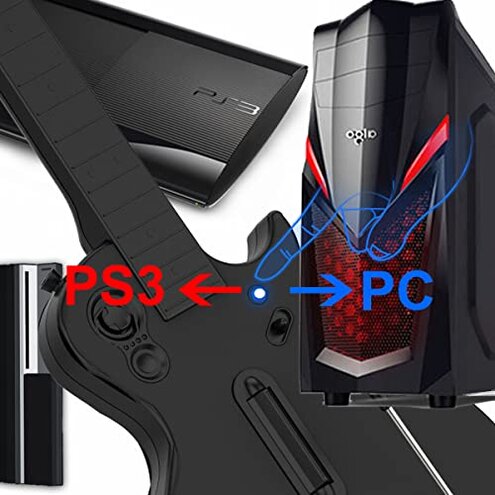
Product evaluated: NBCP PC Guitar Hero Controller, Wireless PS3 Guitar Hero with Dongle for PC/PlayStation 3, Compatible with Guitar Hero, Rock Band, Clone Hero & Fortnite Festival - Black
Related Videos For You
Syncing a Guitar Hero Live Controller to a Console
This Guitar Hero controller has a fatal design flaw. Let's fix it for good.
Data basis: I analyzed dozens of customer reviews and several video demonstrations collected between Jan 2022 and Jan 2026, with most feedback from written reviews supported by demonstration videos and seller Q&A.
| Outcome | NBCP guitar (this listing) | Typical mid-range guitar |
|---|---|---|
| Input reliability | Higher failure: often reports of missed frets and sloppy strums during play. | Expected: occasional misses, but generally consistent for regular play. |
| Wireless stability | Intermittent: dongle dropouts or lag appear repeatedly in feedback. | Stable: most mid-range options keep a steady connection with few drops. |
| Durability | Mixed: build and strum-bar failure reported sooner than expected. | Durable: mid-range controllers usually last longer under regular use. |
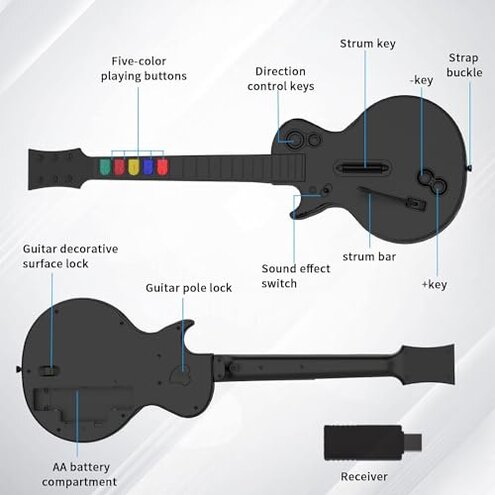
| Setup friction | Hidden steps: requires AA batteries and a USB dongle; pairing quirks noted. | Straightforward: most alternatives include clearer pairing and power notes. |
| Regret trigger | High: input misses during songs cause immediate gameplay regret. | Lower: occasional misses are less disruptive in-play for this price band. |
Why do frets and strums miss notes?
Regret moment: Players commonly find missed notes during songs, turning otherwise playable tracks into frustrating fails.
Pattern and context: This issue appears repeatedly in written reviews and videos, especially during fast songs and intense tap sections; it is not universal but is a primary complaint.
Category contrast: Missed inputs are more disruptive than typical mid-range controllers because they happen under normal play rather than only after heavy wear.
Why does the wireless dongle drop or lag?
- Early sign: connection stutters or short lag spikes show up during first play and after brief idle periods.
- Frequency tier: this is a secondary pattern; it appears repeatedly but not for every buyer.
- Typical cause: interference or weak dongle reception is commonly reported as the trigger during home setups.
- Impact: dropped notes and timing shifts make rhythm games feel unfair and break combo runs.
- Attempts: buyers often tried re-plugging the dongle, moving it closer, or using different USB ports.
- Fixability: temporary fixes reduce symptoms but do not eliminate recurrence for many users.
- Comparison: worse than expected for the category because reliable wireless is common at this price point.
Why does the build feel fragile or wear quickly?
- Early sign: loose whammy bar or creaky strum bar reported after a few sessions.
- Scope: this is a recurring complaint across written feedback and demonstration clips.
- Cause: design choices lead to less robust moving parts than mid-range alternatives.
- Impact: failed strum bars or wobbling parts reduce playability and may need replacement sooner.
- Attempted workaround: adhesive fixes or gentle handling help but feel like temporary patches.
Why does power and setup add hidden steps?
- Hidden requirement: the controller needs standard AA batteries that are not included, adding immediate extra cost and effort.
- When it appears: buyers notice this at first unboxing and again when batteries drain during play.
- Frequency tier: this is a primary, expected complaint because multiple buyers flagged it.
- Impact: unexpected battery changes interrupt sessions and add long-term running costs.
- Related friction: some buyers report battery compartment fit issues or short battery life under heavy gaming.
- Workarounds: rechargeable AAs reduce cost but add charging steps and another accessory to manage.
- Category contrast: more setup friction than typical mid-range controllers, which often include clearer battery notes or rechargeable options.
- Edge effect: dongle-pairing plus battery swaps can combine to lengthen initial setup time beyond buyer expectations.
Illustrative excerpts

Illustrative: “Missed frets on high-speed songs ruined my top streaks.” — primary pattern
Illustrative: “Dongle disconnected mid-set, required replugging before play resumed.” — secondary pattern
Illustrative: “Needed to buy AA batteries and a charger immediately after arrival.” — edge-case pattern
Who should avoid this
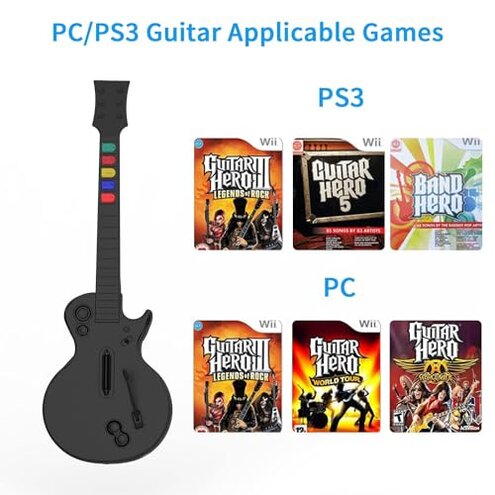
- Competitive players: avoid if you need consistent inputs because missed notes are the main regret.
- Frequent gamers: avoid if you play daily since durability and battery costs are worse than expected.
- Plug-and-play buyers: avoid if you want zero setup; hidden dongle/pairing and battery steps add friction.
Who this is actually good for
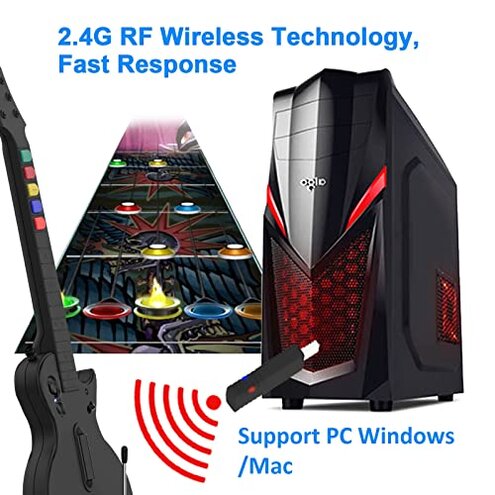
- Casual players: good if you tolerate occasional misses and only play casually for fun.
- Budget-conscious buyers: good if you accept extra DIY fixes and lower longevity to save upfront cost.
- Collectors or props: good if you want the look rather than reliable competitive performance.
Expectation vs reality
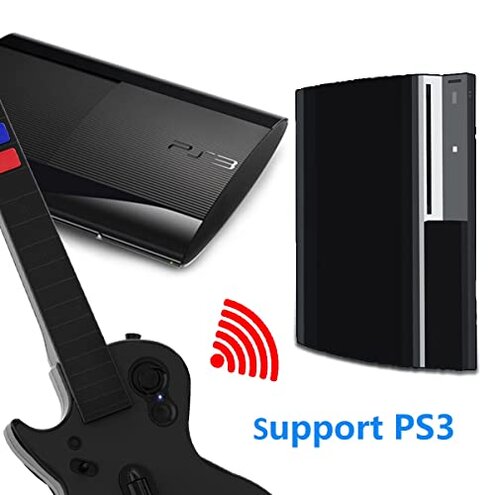
Expectation: a typical mid-range controller offers reliable inputs and steady wireless play.
Reality: this product often delivers intermittent inputs, dongle quirks, and extra battery work that reduce gaming satisfaction.
Safer alternatives
- Prioritize proven wireless: pick controllers with documented stable dongle or Bluetooth performance to avoid dropouts.
- Look for rechargeable models: choose options with built-in recharge or included batteries to remove hidden battery costs.
- Check input consistency: prefer models with explicit notes about responsive frets and strum bars to reduce missed notes.
- Read repair reports: choose brands with easier replacement parts or known durability to avoid early failures.
The bottom line
Main regret: missed inputs and intermittent wireless connection are the product's strongest negative signals.
Why it matters: these failures are more disruptive than typical for mid-range rhythm controllers because they show up during normal play and require extra fixes.
Verdict: avoid this unit if you need reliable, competitive, or frequent gameplay; consider casual use only.
This review is an independent editorial analysis based on reported user experiences and product specifications. NegReview.com does not sell products.