
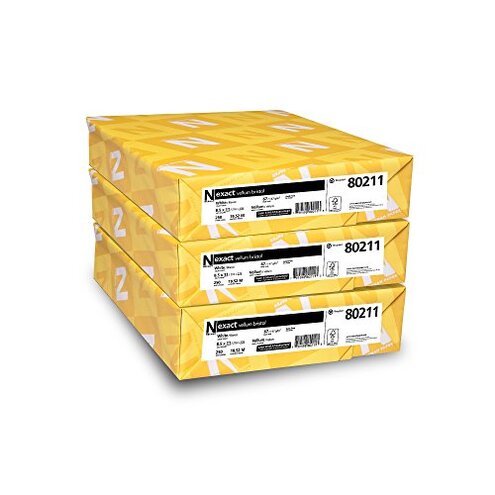
Product evaluated: Neenah Exact Vellum Bristol, 8.5" x 11", 67 lb/147 gsm, White, 94 Brightness, 750 Sheets, 3 Pack (80211)
Related Videos For You
ET 8500 rear paper feed setup for card & poster board. Printing with the straight through print path
Vellum Paper Techniques for DIY Cards and Invitations
Data basis Dozens of buyer reports and video demonstrations were reviewed between 2018 and 2025, with most feedback coming from written product reviews supported by short demos. The summary pulls patterns from user feedback and visual tests across multiple printer types.
| Outcome | Neenah Exact (this) | Typical mid-range cardstock |
|---|---|---|
| Feeding reliability | Higher jam risk — appears repeatedly during duplex and high-speed printing. | More consistent — fewer jams under similar conditions. |
| Ink handling | Mixed compatibility — smudging or ink soak reported with heavy coverage. | Generally forgiving — better performance across printers. |
| Sheet flatness | Curling observed — shows up in thermal or humid environments. | Flatter stack — holds shape better out of box. |
| Regret trigger | Workflow disruption — more time fixing jams or reprinting. | Fewer fixes — cleaner runs in typical office use. |
Top failures
Why does this paper jam more often in my printer?
Feeding jams Many buyers report misfeeds or jams, making printing stops a common complaint.
Pattern note This is a recurring pattern, seen across dozens of reports and demo clips, not a one-off issue.
When it happens Jams appear on first print runs and worsen during duplex printing or long batches.
Category contrast This is worse than typical mid-range cardstock because buyers expect stable feeding at 67 lb weight.
Is the ink or toner drying poorly or smudging?
- Early sign Ink appears tacky immediately after heavy-coverage prints on some printers.
- Frequency tier Secondary issue — it appears repeatedly but less often than jams.
- Usage anchor Shows up during dense graphics, full-bleed prints, or heavy toner coverage.
- Cause Likely printer-specific compatibility and heavy ink laydown.
- Impact Requires extra drying time or reprints for usable results.
Will sheets arrive curled, damaged, or uneven?
- Physical sign Sheets sometimes arrive with curled edges or slight warping in the pack.
- Pattern Persistent but variable — many buyers report it, not everyone.
- When it worsens Makes feeding worse after storage in humid or warm rooms.
- Category contrast More bothersome than expected for bristol stock, which usually ships flat.
- Attempted fixes Buyers flatten sheets under weight or pre-condition in the printer tray.
- Fixability Partial — flattening helps, but adds prep time and handling.
- Hidden requirement May need extra time for acclimation before reliable printing.
Are sheet count or packaging problems common?
- Receipt mismatch A smaller group reports damaged corners or miscounts on arrival.
- Edge-case frequency Edge-case issue — less common but still notable in several reports.
- When seen Often noticed at unboxing or the first time users load the tray.
- Impact Damaged sheets force manual sorting and more wasted time.
- Cause Shipping handling or thin internal packaging appears implicated.
- Attempts Users trimmed or discarded bad sheets to continue jobs.
- Category baseline Slightly worse than typical mid-range packs that protect corners better.
- Workaround cost Adds small waste and extra time per pack.
Illustrative excerpts (not real quotes)
"Printer stopped five times mid-job; sheets bent halfway through tray." — Primary pattern
"Heavy ink prints needed extra drying or smeared at the edges." — Secondary pattern
"Cornered sheets in the pack; had to toss several before use." — Edge-case pattern
Who should avoid this
- High-volume printers Avoid if you run long batches or duplex jobs; jams are more disruptive than expected.
- Quick-turn projects Avoid if you need zero reprints or immediate dry prints for finishing.
- Strict flatness Avoid when you need perfectly flat sheets for stacking, scoring, or precise finishing.
Who this is actually good for
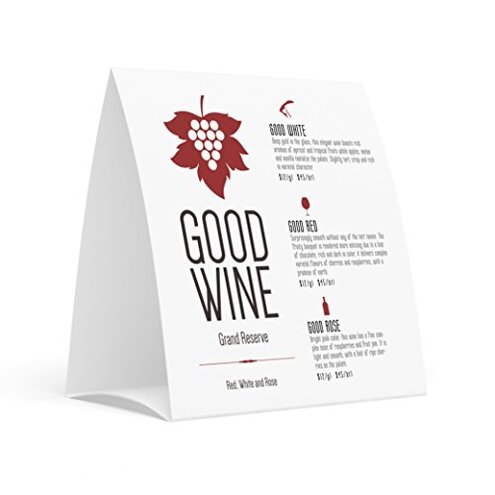
- Small craft runs Good for hand-fed single-sheet projects where occasional prep is acceptable.
- Low-volume printing Works when you print short runs and can check sheets between pages.
- Non-critical outputs Fine for proofs, letterheads, or crafts where small curling or extra drying is tolerable.
Expectation vs reality
- Expectation Reasonable for this category: 67 lb cardstock should feed reliably.
- Reality You may see more jams and extra handling than typical mid-range cardstock.
- Expectation Paper labeled for inkjet/laser should dry and hold toner cleanly.
- Reality Heavy coverage prints can smear or remain tacky on some printers.
Safer alternatives
- Choose tested weight Pick a mid-range cardstock with verified printer compatibility to reduce jams.
- Buy samples Test a small pack before committing to bulk for high-volume jobs.
- Match printers Use cards rated by other buyers with your exact printer model to avoid ink or feeding problems.
- Check packaging Prefer packs with reinforced corner protection to lower damaged-sheet risk.
The bottom line
Main regret The biggest trigger is workflow disruption from paper jams and occasional ink handling problems.
Why it matters These issues are more disruptive than buyers expect for mid-range bristol stock and add time or reprints.
Verdict Avoid for high-volume or critical print runs unless you can test first and accept extra prep time.
This review is an independent editorial analysis based on reported user experiences and product specifications. NegReview.com does not sell products.