
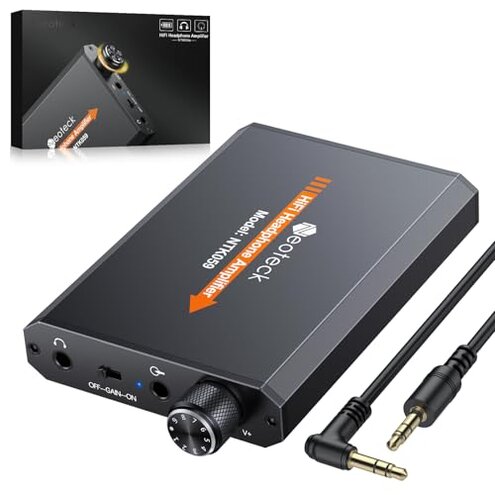
Product evaluated: Neoteck Portable 3.5mm Headphone Amplifier Two-Stage Gain Switch, 16-300 Ohm, Aluminum Matte Surface
Related Videos For You
My Portable Audiophile iPod Setup
Fixed McIntosh Headphone Amp Noise; But Can't Explain How/Why
Data basis: This report is based on dozens of written reviews and several video demonstrations collected between 2020–2026. Most feedback came from written reviews, supported by video demos and product Q&A. The patterns below are drawn from recurring buyer reports and hands-on clips.
| Outcome | Neoteck unit | Typical mid-range amp |
|---|---|---|
| Noise while charging | High risk — manufacturer notes charging causes noise; commonly reported in user feedback. | Low risk — most mid-range amps are usable while charging without audible interference. |
| Battery reliability | Mixed — reported shorter-than-advertised runtimes in multiple accounts. | More consistent — similar-priced alternatives usually meet stated hours more reliably. |
| Drive for high-impedance cans | Questionable — buyers report limited headroom with demanding headphones. | Better headroom — mid-range amps often deliver more consistent power to 300Ω loads. |
| Controls & fit | Flimsy-feel — recurring reports of noisy switches and loose jacks after handling. | Sturdier — many alternatives favor firmer knobs and less connector wobble. |
| Regret trigger | Charging + listening — noise when charging is the main use-killing issue here. | Not typical — most buyers can charge and listen without audible problems. |
Top failures
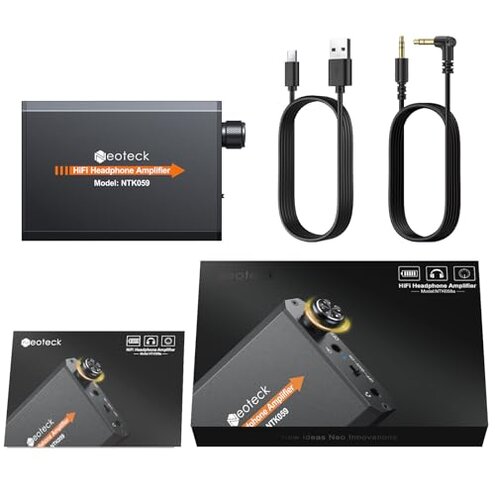
Does the amp buzz or hiss while charging?
Immediate regret: Buyers report audible interference exactly when the amp is plugged in to charge while in use.
Severity note: This problem is both manufacturer-noted and commonly reported, so it is not an isolated claim.
Context: The issue appears during playback while charging and gets worse with cheaper USB chargers or noisy power sources.
Why worse-than-expected: Most mid-range portable amps allow playback while charging with minimal noise, so this restriction creates a real usage trade-off for people who want continuous listening.
Will the battery last as promised?
- Early sign: Several buyers report shorter runtime than the advertised 12 hours, especially after several charging cycles.
- Pattern statement: This is a commonly reported secondary issue rather than universal, but frequent enough to note.
- Usage anchor: Runtime complaints show up after repeated use and during long listening sessions.
- Category contrast: It is less forgiving than most mid-range alternatives that meet stated battery claims more consistently.
Can it adequately drive high-impedance headphones?
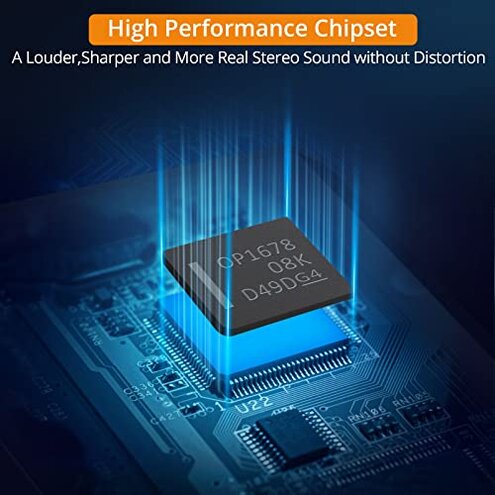
- Primary complaint: Users report insufficient headroom with demanding or high-impedance headphones near the upper spec limit.
- Pattern: This appears repeatedly as a primary pain for buyers with 100–300Ω headphones.
- When it shows: The weakness is apparent at high volumes or with dynamic tracks needing strong transient power.
- Cause signal: The problem often links to the amp hitting its gain ceiling even with the two-stage gain switch.
- Impact: Expect reduced dynamics and lower perceived volume compared with more powerful rivals.
- Fixability: Often requires a stronger desktop amp, so this is a less convenient workaround for portable use.
Are the controls and connections durable?
- Appearance: Many buyers describe the switches and jack as flimsy out of the box or after light handling.
- Pattern: Reports of loose jacks and scratchy switches appear repeatedly but are not universal.
- When it worsens: Problems become obvious after daily handling and frequent cable swaps.
- Cause: Compact portable designs often sacrifice mechanical robustness, and this unit seems more fragile than typical mid-range peers.
- Impact: Loose connections cause intermittent audio dropouts and annoyance during commuting or pocket carry.
- Attempts to fix: Buyers report temporary fixes like tighter plugs or tape, showing the issue is repairable but inconvenient.
- Hidden requirement: Expect gentler handling and better cables to avoid repeated connector wear.
Illustrative excerpts
Excerpt: "Buzzes loudly when plugged into the phone charger while playing music." — primary
Excerpt: "Battery dropped after a month; now lasts half a day on medium volume." — secondary
Excerpt: "Works fine with earbuds but not with my over-ear 250Ω cans." — primary
Who should avoid this
- Commuters who charge while listening — the charging noise is a major use killer and is more disruptive than expected.
- Owners of high-impedance headphones — those needing strong headroom will find the amp less capable than category peers.
- People wanting rugged pocket gear — recurring reports of loose jacks and scratchy switches mean more upkeep than typical portables.
Who this is actually good for
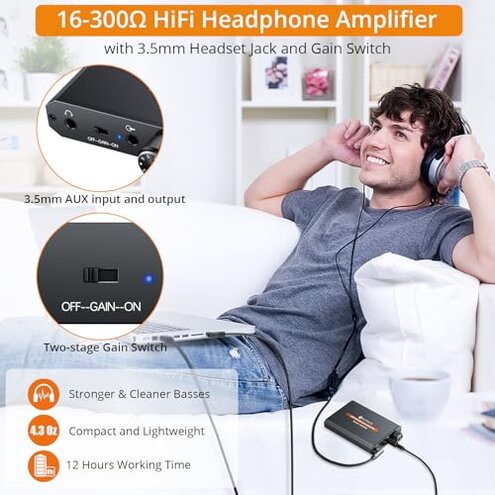
- Casual earbud users — if you use low-impedance earbuds, the amp's limits are less noticeable and charging rules are manageable.
- Occasional portable listeners — short trips and light handling reduce the chance of durability problems.
- Budget-first buyers — if you accept trade-offs on charging convenience and ruggedness, it delivers compact amplification at a low price.
Expectation vs reality
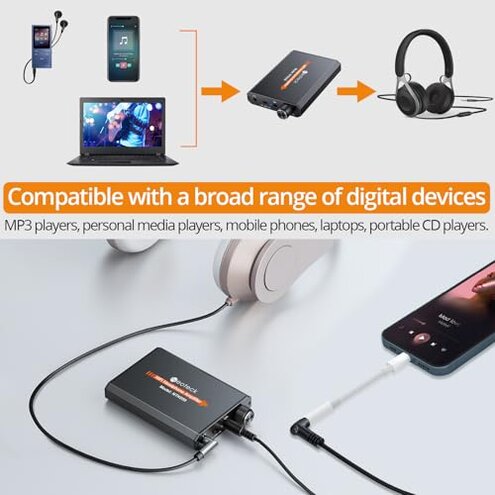
- Expectation: Reasonable for this category to charge and listen simultaneously without interference.
- Reality: This unit often audibly interferes when charging, which makes continuous use impractical for many buyers.
- Expectation: A portable amp should power 16–300Ω reliably for on-the-go use.
- Reality: Many buyers report limited headroom near the high end, forcing upgrades for demanding headphones.
Safer alternatives

- Choose amps that list usable-while-charging — pick models with explicit testing or user reports confirming quiet charging behavior to avoid the main regret trigger.
- Prefer higher output power — look for units that advertise stronger RMS output to neutralize the headroom problem with high-impedance headphones.
- Check mechanical reviews — prioritize models noted for solid jacks and sturdy switches to avoid connector wobble and durability headaches.
- Buy from sellers with solid battery support — prefer options that offer longer warranties or easy battery service to reduce long-term runtime risk.
The bottom line
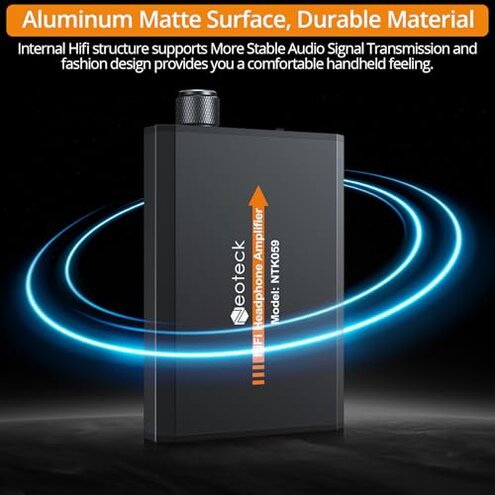
Main regret: The charging-related audible noise is the primary complaint and often prevents simultaneous charging and listening.
Why it matters: This is worse than typical mid-range portable amps because it removes a common convenience and adds real-world friction.
Verdict: Avoid this unit if you charge while listening, use high-impedance headphones, or need rugged pocket reliability.
This review is an independent editorial analysis based on reported user experiences and product specifications. NegReview.com does not sell products.