
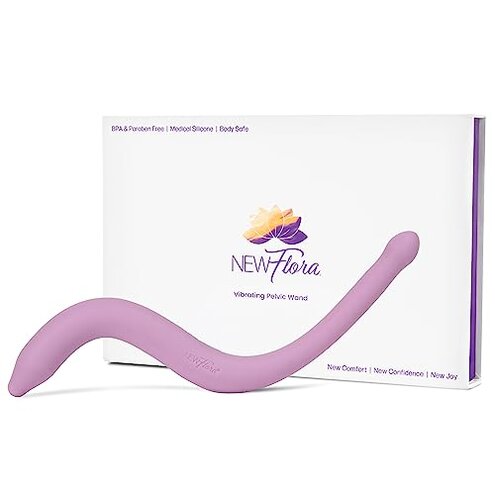
Product evaluated: NewFlora Vibrating Pelvic Wand for Women & Men, S Shaped Massage Tool - Perineal Massage Tool
Related Videos For You
How to Use a Vaginal/Pelvic Wand- Step by Step Instructions
How to use a pelvic wand to massage tight and tender pelvic floor muscles #pelvichealth
Data basis: This report uses dozens of public buyer comments collected from written feedback and video-style demonstrations between 2022 and 2026. Most feedback came from written experiences, with smaller support from visual walkthroughs that helped confirm where problems show up during setup and regular use.
| Buyer outcome | NewFlora wand | Typical mid-range alternative |
|---|---|---|
| First-use comfort | Higher risk of trial-and-error before it feels usable. | Usually easier to learn with less positioning adjustment. |
| Setup effort | More involved because technique matters more than buyers expect. | Moderate setup, but often more forgiving in daily use. |
| Control simplicity | Mixed because many settings can add extra button cycling. | Simpler controls with fewer mode changes to manage. |
| Discomfort risk | Above normal category risk if angle or pressure is not right. | Lower risk of immediate frustration for beginners. |
| Regret trigger | Buying for easy relief and finding a steeper learning curve instead. | Usually regret comes from weaker features, not basic usability. |
Did you expect relief fast, but got a learning curve instead?
This is the primary issue. The main regret moment happens on first use, when buyers expect a simple wellness tool but realize positioning and pressure take more practice than expected.
This pattern appears repeatedly. It is not universal, but it shows up often enough to matter for beginners. Compared with a typical mid-range option, this feels less forgiving when your technique is still developing.
- Early sign: If you need several repositions during setup, comfort may stay inconsistent during the session.
- Frequency tier: This is a primary complaint and among the most common frustration points.
- Usage moment: It tends to show up during first sessions or when returning after a break.
- Why it stings: Buyers often choose this type of product for ease, so extra trial-and-error feels more disruptive than expected.
- Impact: The result is often hesitation, shorter sessions, or abandoning the product before building routine.
- Fixability: The included guides may help, but they also confirm that success can require more coaching than some buyers want.
Illustrative excerpt: “I thought it would be simple, but I kept adjusting the angle.” Primary pattern.
Are the many vibration settings more annoying than helpful?
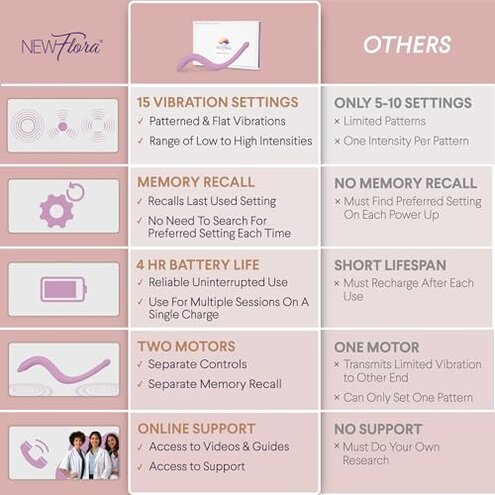
This is a secondary issue. The wand offers 15 settings, which sounds flexible, but extra modes can become button-work during use rather than a benefit.
The pattern is persistent. It shows up mostly after setup, when users are trying to stay relaxed and do not want to cycle through options. In this category, some variation is normal, but this can feel like more mode management than most mid-range alternatives require.
- Hidden requirement: You may need to memorize preferred settings instead of expecting intuitive control every session.
- When it happens: It becomes more noticeable mid-session when changing intensity interrupts the routine.
- Relative severity: It is less frequent than comfort complaints, but more frustrating when it happens because it breaks focus.
- Buyer trade-off: More options can mean more button cycling, which some shoppers do not expect from a wellness tool.
- Worsening condition: This feels worse during short sessions, where every interruption stands out more.
- Fix attempt: The built-in memory recall may reduce repeat setup, but it does not remove the need to find the right mode first.
- Category contrast: A reasonable buyer expects choice, but also expects easy control; this balance can miss for simpler users.
Illustrative excerpt: “Too many modes when I just wanted one comfortable setting.” Secondary pattern.
Does the shape help, or make positioning harder?
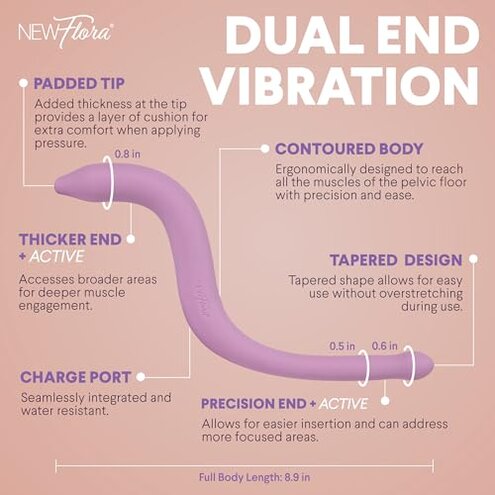
This issue is recurring. The S shape is meant to be versatile, but that same design can make exact placement feel more demanding than buyers expect.
The regret moment often comes during daily use, especially for people who wanted a straightforward tool rather than something they must learn around.
- Pattern strength: This is a secondary complaint, not the top issue, but it appears repeatedly across different buyer experiences.
- Usage context: It tends to show up when users try to target one area quickly and do not get a repeatable result.
- Why worse than normal: In this category, shaped tools are common, but this one seems less forgiving if your body position changes.
- Visible effect: Buyers notice inconsistency, where one session feels fine and the next takes extra adjustment.
- Effort cost: That adds time before each session, which can be enough to reduce use.
- Mitigation: People willing to follow the guided support may adapt better than those expecting immediate ease.
- Who feels it most: This hits beginners harder than experienced users familiar with body-position trial and error.
- Fixability: It is partly fixable with practice, but not if you want a low-learning-curve option.
Illustrative excerpt: “Some days it works, other days I cannot place it right.” Secondary pattern.
Will the support materials solve the frustration, or add homework?
This is an edge-case issue. Access to guides and videos is helpful, but it also reveals a hidden expectation: some buyers may need instruction to get consistent value.
That is not always bad. But for shoppers who wanted a simple self-care item, needing extra reading or videos can feel like more effort than this category usually demands.
- Frequency tier: This is an edge-case complaint, yet it matters because it changes the ownership experience.
- When it appears: It shows up after early frustration, when buyers turn to support instead of using the product naturally.
- Hidden requirement: Successful use may depend on technique learning, not just unpacking and starting.
- Why it causes regret: That adds time and attention, which feels heavier than expected for many wellness shoppers.
- Category contrast: Some guidance is normal, but needing it for basic confidence is a higher-than-normal risk.
Illustrative excerpt: “I did not expect to need tutorials just to feel comfortable.” Edge-case pattern.
Who should avoid this
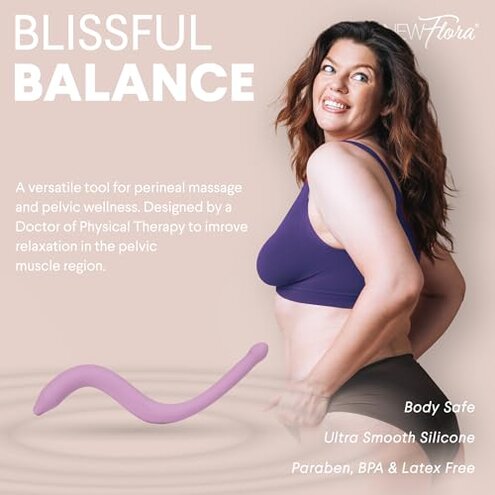
- Beginners who want immediate comfort should avoid it, because the learning curve appears repeatedly and feels steeper than normal.
- Low-patience buyers should avoid it if button cycling and mode testing would interrupt relaxation.
- Anyone wanting predictable placement should be cautious, because the shape can feel inconsistent during daily use.
- Shoppers avoiding homework should skip it if guides, videos, and technique practice sound like extra work.
Who this is actually good for
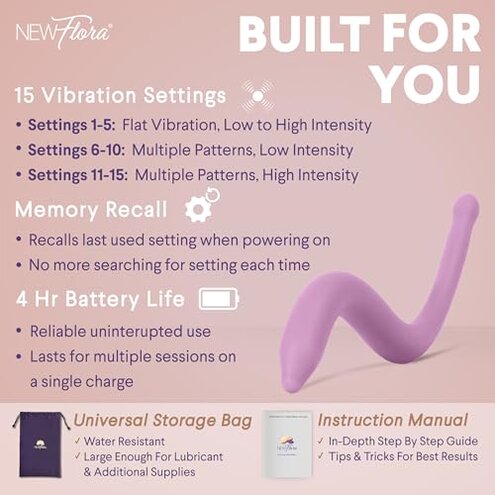
- Practice-friendly users may still like it if they accept the main comfort issue as part of a longer learning period.
- Buyers who want many settings may tolerate the control friction because range matters more to them than simplicity.
- People willing to use guides may get better results because they are comfortable treating setup as part of the process.
- Experienced users may handle the shape better because they already know how to adjust angle and pressure.
Expectation vs reality
Expectation: A reasonable for this category assumption is quick basic usability with only minor adjustment.
Reality: Here, first-use success can depend more on practice and positioning than many shoppers expect.
Expectation: More settings should mean better personalization.
Reality: In actual use, extra modes can also mean more interruptions and more trial-and-error.
Expectation: Guided support is a bonus.
Reality: For some buyers, it becomes a requirement to get comfortable results.
Safer alternatives

- Choose simpler controls if your biggest concern is mode frustration; fewer settings often reduce mid-session interruption.
- Look for beginner-focused designs if you want lower discomfort risk on first use and less angle experimentation.
- Prioritize repeatable positioning if daily consistency matters more than versatility.
- Buy products with minimal training needs if you do not want guides or videos to become part of normal use.
The bottom line
The main regret trigger is expecting simple comfort and getting a steeper learning curve instead. That exceeds normal category risk because usability problems show up right at first use, where many mid-range alternatives are more forgiving. Avoid this if you want easy, intuitive use more than feature variety.
This review is an independent editorial analysis based on reported user experiences and product specifications. NegReview.com does not sell products.