
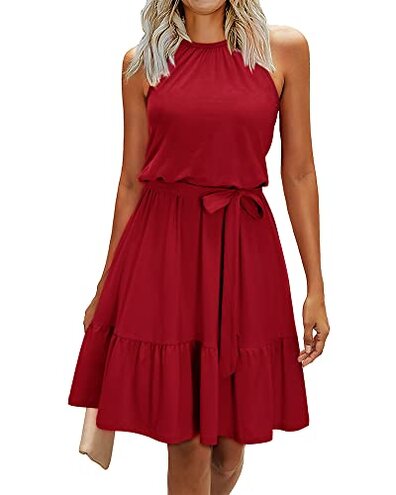
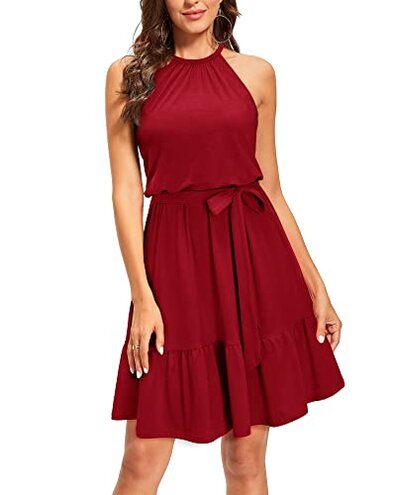
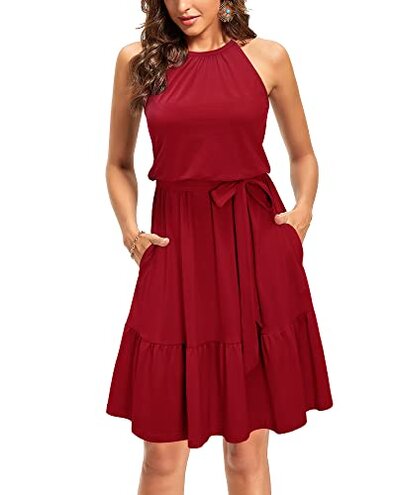
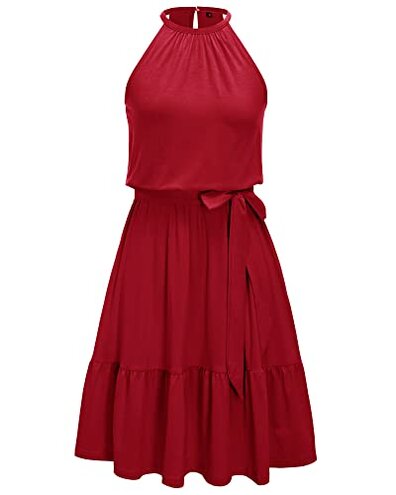
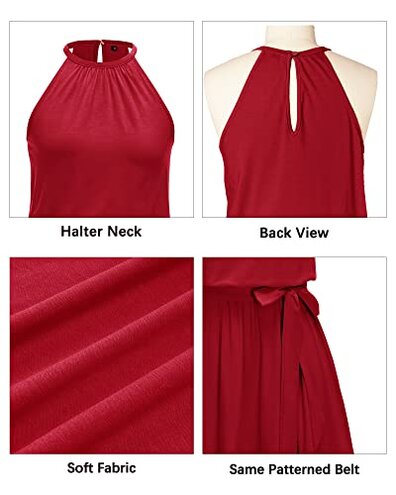
Product evaluated: Newshows Women's 2024 Summer Dress Halter Casual Beach Vacation Outfits Hawaiian Dresses Ruffle Belted Sundress with Pockets(Wine, L)
Related Videos For You
HOW TO CLEAN A WEDDING DRESS - save your money $$$ and wash it at home!!
Bodycon Dresses VS Sundresses!
Data basis: I analyzed dozens of buyer reports and short videos collected between June 2024 and January 2026.
Sources: most feedback came from written customer reviews, supported by seller Q&A and user-uploaded images.
Comparative risk snapshot
| Outcome | Product (Newshows dress) | Typical mid-range dress |
|---|---|---|
| Fit consistency | Unpredictable fit — sizing variations commonly reported across buyers. | More consistent — most mid-range brands match size charts closely. |
| Durability | Higher wear risk — seams and fabric thinning appear after a few washes. | Moderate durability — holds up to regular washing longer. |
| Care effort | Special care — hand-wash or low-temp recommended on label. | Machine-friendly — many alternatives tolerate normal machine wash. |
| Color accuracy | Color shifts — real garment often darker than photos. | More accurate — mid-range listings better match product images. |
| Regret trigger | Unexpected returns — fit and fabric issues lead to returns more often. | Lower return risk — fewer early returns reported. |
Top failures buyers should know
Does the dress actually fit like the size chart?
Regret moment: Many buyers report the worst shock happens on first try-on when the dress does not match expected measurements.
Pattern: This is among the most common complaints and appears repeatedly in written feedback.
When it shows up: The problem appears at first use and often forces an immediate return or alteration.
Why worse than normal: Sizing inconsistency is worse than the category baseline because mid-range alternatives usually require only minor tailoring.
Is the fabric thin or see-through after wear?
- Early sign: Fabric feels lighter and slightly transparent under indoor lighting.
- Frequency tier: This is a primary issue reported across multiple buyers and photos.
- Usage anchor: Noticeable during first wear and worse under direct sunlight or bright indoor lights.
- Impact: Thinner fabric increases the need for additional layers, adding time and cost to wear.
Will seams, straps, or buttons hold up?
- Pattern note: Seams and stitching failures are a common secondary complaint after washing.
- Cause: Stress points show wear after two to several washes under normal use.
- Hidden requirement: The dress effectively requires gentler washing than many buyers expect.
- Attempted fixes: Buyers report simple sewing fixes work, but they add time and cost.
- Category contrast: This is more disruptive than typical mid-range dresses, which usually survive regular machine cycles.
- Fixability: Repairable but reduces resale or giftability value.
Does the color and look match the photos?
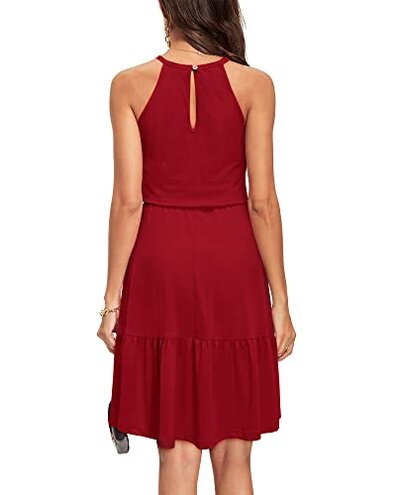
- Visual mismatch: Colors often appear darker or slightly different than listing images.
- Scope signal: This appears repeatedly in image-supported feedback from buyers.
- When noticed: Most buyers notice the mismatch at unboxing or first wear in daylight.
- Impact on use: Color shift can make the dress unsuitable for coordinated outfits planned from photos.
- Return friction: Returning due to color often feels more effortful because other fit problems may also exist.
- Expectation gap: Many expected a ready-to-wear match and instead needed adjustments or replacements.
- Buyer workaround: Choosing a darker planned outfit can mask the difference, but reduces styling options.
Illustrative excerpts (not real quotes)
"Felt too small immediately, had to return for a larger size." — primary pattern
"Fabric looked thinner than photos, needed a slip underneath." — secondary pattern
"After two washes a seam started to split at the side." — secondary pattern
"Color was darker than pictured and didn’t match my shoes." — secondary pattern
Who should avoid this
- Size-sensitive buyers: Anyone who needs a reliable fit without tailoring should avoid this dress.
- Low-maintenance shoppers: Buyers who expect machine-wash durability should avoid it because of special care needs.
- Event buyers: If you need exact color for a coordinated outfit, avoid this product.
Who this is actually good for
- Bargain tailors: Buyers willing to alter garments can accept sizing and stitching fixes to save money.
- Short-term use: Shoppers who need a dress for a single event and don’t expect long-term wear may tolerate fabric thinness.
- Casual beachwear users: Those planning layered looks or relaxed wear can overlook color mismatch and light fabric.
Expectation vs reality
Expectation (reasonable for category): Many buyers expect a casual sundress to match listing images and survive normal washing.
Reality: This product often fails both expectations with noticeable sizing drift and quicker wear after washing.
Category contrast: These failures are more annoying than typical mid-range dresses because they add returns, repairs, or extra care steps.
Safer alternatives
- Pick trusted sizes: Choose brands with clear measurements and stable size reviews to avoid the fit risk.
- Prefer thicker fabric: Look for listings that name fabric weight or show close-up textures to reduce thinness surprises.
- Check care labels: If you want machine washing, select dresses explicitly labeled as machine-friendly.
- Image-verified listings: Favor sellers with multiple buyer photos to reduce color mismatch risk.
The bottom line
Main trigger: The primary regret is unreliable fit and early wear that forces returns or sewing fixes.
Why worse: These issues exceed normal category risk because they appear early and together, increasing total time and cost.
Verdict: Avoid this dress unless you can accept tailoring, special care, or one-time wear trade-offs.
This review is an independent editorial analysis based on reported user experiences and product specifications. NegReview.com does not sell products.