
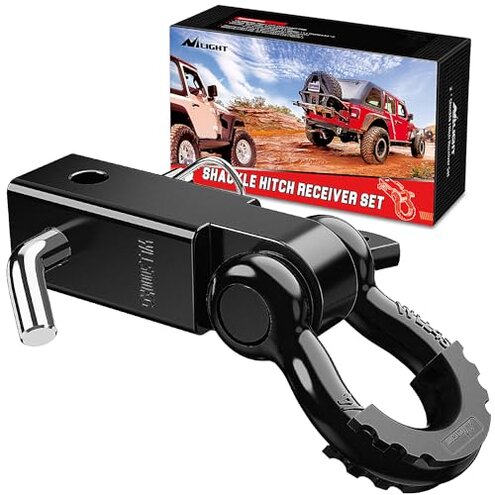
Product evaluated: Nilight Shackle Hitch Receiver 2Inch 45000 LBs Breaking Strength 3/4" D Ring w/Trailer Pin Heavy Duty Solid Recovery Towing Kit for Trucks Jeeps Off-Road
Related Videos For You
Rhino USA - 2" Shackle Hitch Receiver | Product Spotlight
Should you use a hitch pin as a 4x4 recovery device? Is it a YES or NO answer?
Data basis: This report uses dozens of buyer impressions gathered from written feedback and photo or video-backed demonstrations collected from 2023 to 2026. Most feedback came from written owner comments, with supporting visual posts helping verify fit, finish, and day-to-day towing or recovery use concerns.
| Buyer outcome | Nilight shackle hitch | Typical mid-range alternative |
|---|---|---|
| Receiver fit | Higher risk of play, tight fit, or extra movement depending on hitch tolerance | Usually closer to expected fit with fewer setup surprises |
| Noise control | Mixed results because anti-rattle pieces help but may not fully stop movement | More predictable if tighter machining or built-in anti-rattle design is used |
| Finish wear | Common concern when frequently installed, removed, or exposed to rough weather | Moderate wear still happens, but often feels slower in daily use |
| Install effort | More variable because alignment and clearance can add extra setup steps | Usually easier for buyers expecting quick insert-and-pin use |
| Regret trigger | Buying for silence or perfect fit, then noticing looseness, rubbing, or finish wear early | Lower chance of regret if your goal is simple, routine recovery mounting |
Annoyed that it still moves and rattles after setup?
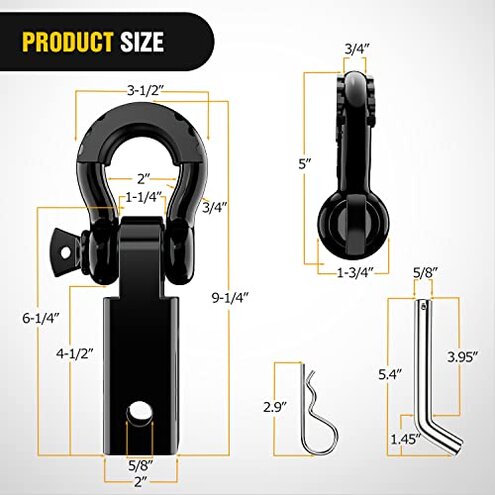
This is the primary complaint. The regret usually shows up right after installation, when buyers expect a snug recovery point and instead notice play inside the 2-inch receiver.
The pattern appears repeatedly. It is not universal, but it is more disruptive than expected for this category because movement at the hitch feels less confidence-inspiring than a cosmetic flaw.
When it shows up: It tends to appear on first install and becomes more obvious during regular driving, bumps, or when the part stays mounted between uses.
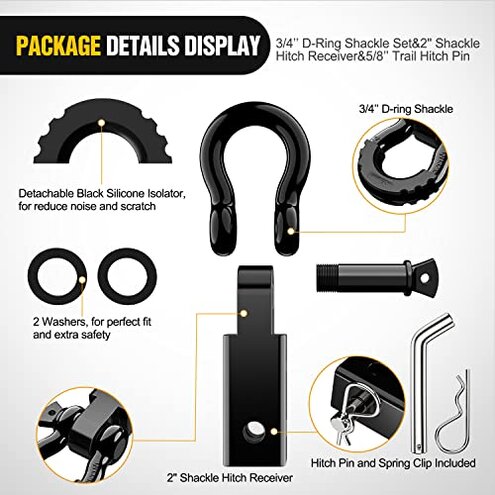
Why it feels worse: Some movement is normal in hitch gear, but buyers commonly expect the included isolators and washers to reduce it more than they actually do.
- Early sign: You hear a light clunk or feel side-to-side play soon after pinning it in place.
- Frequency tier: This looks like a primary issue and appears more often than finish or packaging complaints.
- Impact: The main problem is not immediate failure but extra noise and reduced confidence during daily driving.
- Hidden need: Some buyers end up needing an additional anti-rattle solution, which adds cost and setup time.
- Fixability: It is sometimes manageable, but that workaround feels worse than typical for a mid-range recovery mount.
Frustrated that the fit feels too loose for some trucks and too tight for others?
- Pattern: Recurring fit variation is a secondary issue seen across different vehicle setups.
- Usage moment: The problem shows up during first installation, especially when buyers expect a quick slide-in fit.
- What buyers notice: Some report extra wiggle, while others deal with alignment friction getting the pin through.
- Why it matters: That inconsistency adds extra steps right at the moment this product is supposed to feel simple.
- Category contrast: Hitch accessories always depend on receiver tolerances, but this seems less forgiving than many mid-range alternatives.
- Worsening condition: It becomes more annoying when you remove and reinstall it often for mixed towing and recovery use.
- Workaround burden: Buyers may need repositioning, washer adjustment, or separate hardware to get the feel they expected.
Disappointed that the finish starts looking rough faster than expected?
- Pattern: Finish wear is a persistent secondary complaint rather than the top failure.
- When it appears: It usually shows up after repeated mounting, pin removal, or weather exposure.
- Buyer-visible effect: The coating can start looking chipped, rubbed, or tired before the part feels old.
- Why regret happens: Recovery gear gets scraped, but buyers still expect slower cosmetic wear at this price level.
- Higher-than-normal risk: This feels worse when the part stays on the vehicle and sees daily road grime or moisture.
- Trade-off: It may remain usable, yet the worn look can make buyers question long-term corrosion resistance.
- Fixability: Touch-up paint helps, but that is more upkeep than many shoppers want from a simple hitch accessory.
Expected a complete ready-to-use kit, then realized you may still need extras?
- Pattern: This is an edge-case issue, but it is more frustrating when it happens because it delays actual use.
- Hidden requirement: Buyers wanting a silent, exact-fit setup may still need a separate anti-rattle clamp or shim.
- Context: The surprise usually comes after installation, not during browsing, because the included parts look complete on paper.
- Why it feels worse: In this category, “kit” wording creates a reasonable expectation of fewer follow-up purchases.
- Time cost: Even small extra parts mean another order, another install step, and another test drive.
- Who notices most: Daily drivers and off-road users who leave recovery gear mounted all the time feel this burden more.
Illustrative excerpts
- Illustrative: “It works, but I still hear it tapping around in the receiver.” — Primary pattern
- Illustrative: “I expected a snug fit, not extra fiddling to line everything up.” — Secondary pattern
- Illustrative: “Looks solid, but the coating started showing wear pretty quickly.” — Secondary pattern
- Illustrative: “The kit was usable, yet I still bought an anti-rattle add-on.” — Edge-case pattern
Who should avoid this
- Avoid it if you want a near-silent hitch setup for daily driving, because movement-related complaints are among the most common.
- Avoid it if you switch hitch accessories often, because fit variation and alignment effort can add more hassle than expected.
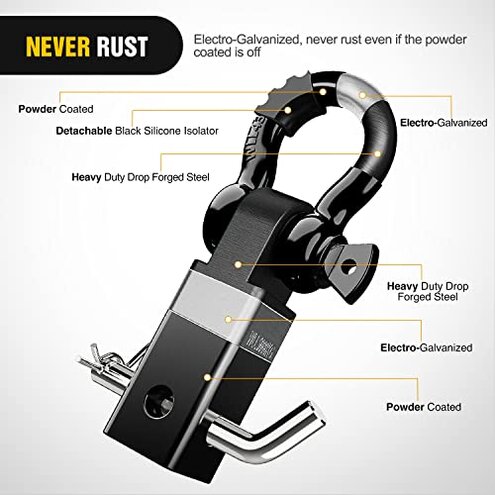
- Avoid it if cosmetic durability matters, since repeated use and weather exposure can make finish wear show earlier than hoped.
- Avoid it if you dislike follow-up purchases, because some buyers end up needing extra anti-rattle hardware.
Who this is actually good for
- Good fit for buyers who only mount it when needed, because occasional use reduces annoyance from receiver play.
- Good fit for shoppers comfortable adding a clamp or shim, since that can offset the most common regret trigger.
- Good fit for utility-focused owners who care more about basic recovery function than finish staying pretty.
- Good fit for budget-minded truck or Jeep owners who accept some install tuning to save versus pricier recovery mounts.
Expectation vs reality
Expectation: A recovery hitch should install fast and feel reasonably snug for this category.
Reality: Fit tolerance appears less predictable here, so some buyers spend extra time reducing play or aligning the pin.
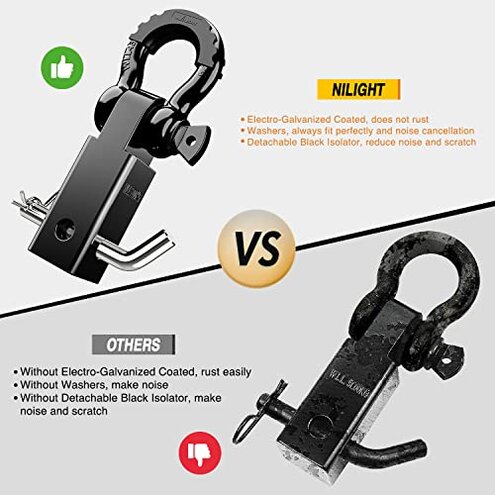
Expectation: Included isolators should remove most everyday noise.
Reality: Noise reduction helps in some setups, but repeated feedback suggests it does not fully solve movement for everyone.
Expectation: A heavy-duty look should stay clean with normal use.
Reality: Finish wear can become visible faster when the hitch stays installed in weather or gets handled often.
Safer alternatives
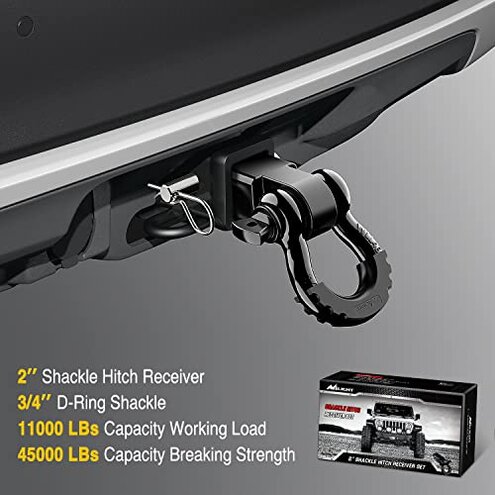
- Choose tighter-fit designs with built-in anti-rattle hardware if your main concern is daily driving noise.
- Look for fit-specific buyer photos on vehicles similar to yours to reduce the risk of install surprise.
- Prefer simpler recovery mounts with fewer loose contact points if you remove and reinstall gear often.
- Buy corrosion-focused finishes if the hitch will stay exposed full-time in wet or salted conditions.
- Budget for add-ons upfront if you still want this style, because the hidden requirement is often extra anti-rattle help.
The bottom line
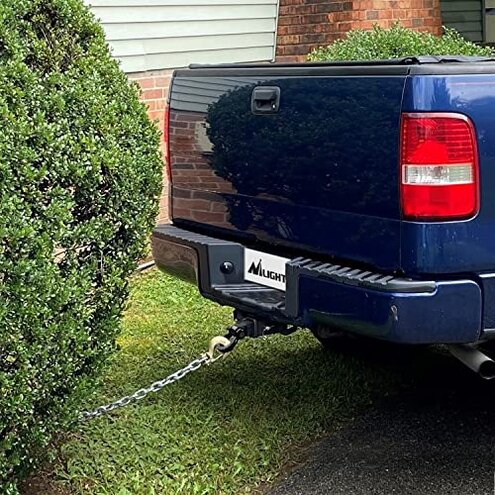
Main regret comes from receiver play, noise, and setup variation rather than a clearly visible design failure. That exceeds normal category tolerance because buyers expect a recovery hitch to feel more settled once pinned in place. Verdict: skip it if you want a quiet, snug, no-extra-parts setup, and consider it only if you are willing to tune the fit yourself.
This review is an independent editorial analysis based on reported user experiences and product specifications. NegReview.com does not sell products.