
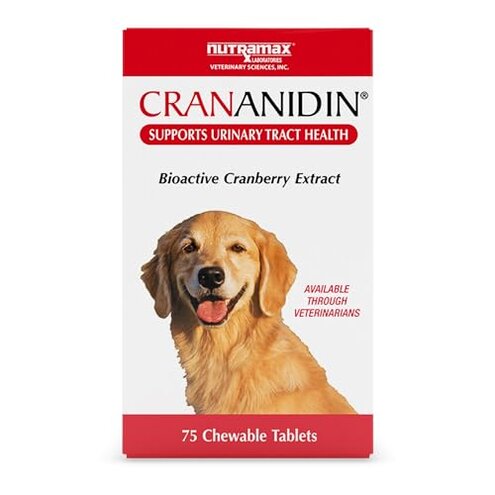
Product evaluated: Nutramax Laboratories Crananidin Cranberry Extract Urinary Tract Health Supplement for Dogs, 75 Chewable Tablets
Related Videos For You
Awesome supplement for Dental, Kidney and Heart Disease in Dogs and Cats!
Cranberry supplements for UTIs: Worthless or WORTH IT?
Data basis for this report comes from analyzing dozens of aggregated buyer feedback collected from written reviews and rating-only submissions across a multi-year window up to recent months. Most of the usable detail came from longer, day-by-day notes about use and results, with supporting shorter posts that flagged quick dealbreakers like refusal, stomach upset, or unclear benefit.
| Buyer outcome | This product | Typical mid-range alternative |
|---|---|---|
| Dog acceptance in daily use | Higher refusal risk reported, leading to workarounds | More consistent intake with softer chews or flavored options |
| Stomach tolerance | More disruptive for some dogs, especially at full dose | Usually steadier when introduced slowly |
| Noticeable results (UT support) | Inconsistent benefit reported, not universal | More predictable when paired with vet-guided plan |
| Hidden effort to administer | Extra steps commonly needed (crushing, mixing, “treat masking”) | Lower effort products often designed for easy dosing |
| Regret trigger | Paying premium for tablets your dog won’t reliably take | Less regret when the dog eats it without daily battles |
Top failures
“Why is my dog refusing a ‘chewable’ tablet?”
Regret moment usually hits in the first week when you realize the routine is a daily negotiation, not a simple treat.
This is among the most common complaints in the feedback set, and it often turns the product into a “kitchen project.”
Pattern is recurring but not universal, and it shows up most during normal treat time or when trying to dose before work.
Category contrast: many mid-range urinary chews are more forgiving on taste and texture, so this feels harder than expected for the price.
- Early sign: the dog sniffs, licks, then drops it, especially on first use.
- Primary pattern: refusal appears repeatedly across feedback, often from owners with picky dogs.
- Daily condition: worse when used as a “treat,” and slightly easier when hidden in food.
- Hidden requirement: many owners report needing to crush tablets or mix into wet food to get full doses in.
- Time cost: adds extra steps each day, which can lead to missed doses during busy mornings.
- Fixability: workarounds help some dogs, but not if your dog avoids medicated foods.
- Trade-off: hiding it can make you less sure the full dose was actually eaten.
“Is it normal for a supplement to upset my dog’s stomach?”
- When it hits: commonly reported shortly after starting, or after moving to the full daily amount.
- Severity cue: less frequent than refusal, but more stressful when it happens due to mess and discomfort.
- Typical symptom: owners describe looser stools or queasy behavior during early dosing days.
- Worsens with: giving on an empty stomach or increasing too fast, based on repeated use-stories.
- Category contrast: most mid-range dog supplements still can cause upset, but buyers report this as less forgiving.
- Mitigation: some feedback indicates doing split dosing with meals reduces issues.
- Stop signal: persistent GI upset leads many owners to discontinue rather than “push through.”
“Why am I not seeing any urinary improvements?”
- Regret moment: after weeks of consistent dosing, some owners report no clear change in urinary comfort or frequency.
- Pattern: a secondary, persistent theme where results are hit-or-miss, even with faithful daily use.
- When noticed: most often after routine use, when buyers expected fewer flare-ups or less licking.
- Condition: perceived benefit seems lower when the dog has recurrent issues needing vet care.
- Category contrast: urinary supplements often have variable outcomes, but buyers expect fewer “no effect” cases at this cost.
- Hidden risk: relying on a supplement can delay a vet recheck when symptoms look unchanged.
- What people try: owners commonly add water, adjust diet, or combine with vet guidance to get measurable change.
- Fixability: some dogs respond only when the broader plan changes, not just the tablet.
“Why does this feel expensive if it takes extra effort to use?”
- Sticker shock: buyers often mention the price-per-dose feels high once daily dosing becomes long-term.
- Primary trigger: cost frustration spikes when the dog won’t eat it, because waste feels immediate.
- During daily use: the extra step of hiding or crushing makes it feel like a higher-maintenance product than peers.
- Category contrast: mid-range options typically trade price for convenience, but here some buyers report paying more and working more.
- Practical impact: owners may stretch doses or skip days, which undermines any chance of consistent benefit.
- Mitigation: some feedback suggests trialing a smaller pack or confirming palatability before committing.
Illustrative excerpts (not real quotes)
- “She spits it out unless I crush it into wet food.” Primary pattern tied to acceptance struggles.
- “Tried for two weeks, and nothing changed with his peeing.” Secondary pattern tied to inconsistent results.
- “Gave it on an empty stomach and had a messy night.” Secondary pattern tied to GI tolerance.
- “For this price, I expected it to be easy to give.” Primary pattern tied to effort-versus-cost regret.
- “Works for my friend’s dog, but mine refuses every time.” Edge-case reminder that outcomes vary by dog.
Who should avoid this
- Picky eaters who already refuse tablets, because acceptance issues are a primary repeated theme.
- Busy routines where you cannot crush, hide, and supervise eating, since extra steps are commonly needed.
- Sensitive stomachs or dogs prone to loose stools, because GI upset is a less frequent but persistent complaint.
- Buyers needing certainty of measurable urinary change, since inconsistent benefit shows up as a secondary pattern.
Who this is actually good for

- Food-motivated dogs that reliably eat medicated meals, because the main failure is refusal, not dosing complexity itself.
- Owners who can monitor intake, since watching the full dose get eaten reduces the “did it work?” uncertainty.
- Dogs with mild needs where you’re aiming for support, not a dramatic change, because results are commonly variable.
- Households willing to titrate slowly with meals, because tolerance complaints often cluster around starting or ramping up.
Expectation vs reality

| Expectation | Reality buyers hit |
|---|---|
| Chewable means “takes like a treat.” | Refusal is a primary theme, often requiring hiding or crushing. |
| Reasonable for this category: some dogs need a few days to adjust. | More than expected: some reports describe ongoing GI issues unless dosing is changed. |
| Consistent use should show clear urinary support. | Mixed outcomes: a secondary pattern is “no noticeable change” even after regular use. |
| Higher price buys convenience. | Higher effort: daily administration can take more time than mid-range alternatives. |
Safer alternatives
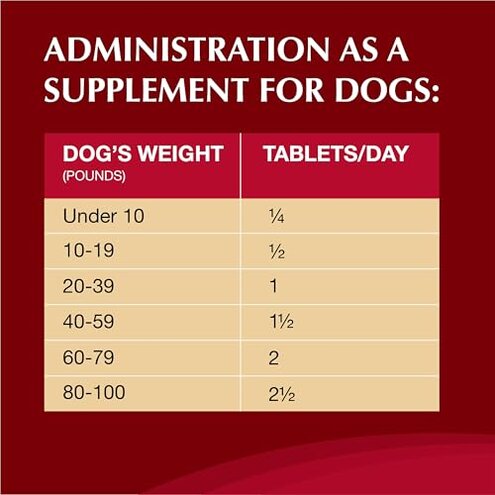
- Trial palatability first by choosing smaller quantities or single-serve options to reduce the refusal-driven waste risk.
- Choose softer formats in this category if your dog hates tablets, since acceptance is the top failure here.
- Start low and give with meals to reduce the stomach-upset pattern that appears after first doses or fast ramp-ups.
- Plan vet checkpoints for recurrent urinary issues, so “no change” does not become delayed care.
- Pick simpler routines when mornings are hectic, because hidden prep steps are a repeated regret trigger.
The bottom line
Main regret is paying for a urinary supplement that many dogs won’t eat without daily workarounds.
Risk feels higher than normal for the category because refusal plus inconsistent results creates a double-failure loop for some households.
Verdict: avoid if you need effortless dosing or predictable improvement, and consider options with better acceptance and easier routines.
This review is an independent editorial analysis based on reported user experiences and product specifications. NegReview.com does not sell products.