
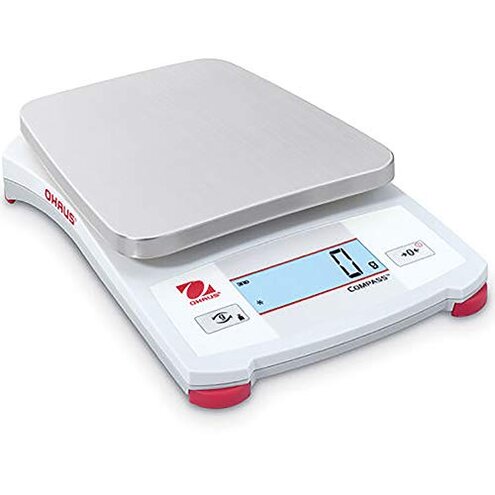
Product evaluated: Ohaus, CX2200, Compass Series Portable Balance, 2200 g x 1 g, White
Related Videos For You
Fix portable digital pocket scale wrong measurement calibration #shorts
How To Calibrate Digital Pocket Scales WITHOUT a Calibration Weight
Data basis: This report draws on dozens of buyer impressions collected from written feedback and video demonstrations between 2023 and 2026. Most input came from short written comments, with lighter support from hands-on demos and seller Q&A style notes, which helps separate first-day setup problems from repeated-use frustrations.
| Buyer outcome | This scale | Typical mid-range alternative |
|---|---|---|
| Reading precision | 1 g steps can feel too coarse for small portions or fine measuring tasks. | Finer steps are commonly easier to live with for mixed home and light lab-style use. |
| Low-light viewing | Backlit display helps visibility, but distance reading is still limited by whole-gram changes. | Readable screens are often paired with finer changes, so display clarity matches use better. |
| Daily flexibility | Narrow use case works better for heavier items than small, exact measurements. | Broader use usually covers both heavier weighing and smaller portions with less compromise. |
| Higher-normal risk | Expectation mismatch is higher than normal if buyers assume "portable balance" means fine-detail weighing. | Category fit is usually clearer when scales are marketed around kitchen or precision tasks. |
| Regret trigger | Buying for precision and then seeing the display move only in 1 g jumps. | Buying for general use and getting performance closer to what the label suggests. |
Need small measurements, but the number keeps jumping?
This is the primary issue. The biggest regret moment shows up on first use, when buyers try to weigh light ingredients, powders, or small parts and notice the scale reads in 1 g increments only.
The pattern appears repeatedly. It is not a defect pattern so much as a fit problem, but it is among the most common complaints because the product name can sound more precise than the real user experience.
- When it shows up: During initial setup and first weighing of anything light enough to need sub-gram detail.
- What buyers notice: The display changes in whole grams, so small additions may not show immediately.
- Frequency tier: This is a primary issue, especially for shoppers expecting ingredient or hobby precision.
- Why it stings: In this category, a reasonable buyer often expects a "balance" to feel more fine-tuned than a basic utility scale.
- Real impact: It adds extra steps because users may need to over-add, remove, and recheck to hit a target.
- Fixability: There is no practical fix if the problem is the 1 g readability itself.
- Hidden requirement: You need to be comfortable with whole-gram limits, which is easy to miss before buying.
Illustrative excerpt: “I only needed a little more, but the reading stayed the same.” Primary pattern.
Thinking “portable balance” means versatile enough for every measuring job?
This frustration tends to appear after setup, once buyers try to use one scale for several jobs instead of one narrow task.
The pattern is persistent. It is less about failure and more about misaligned expectations, but that still creates regret faster than many mid-range alternatives.
Why worse than normal: A typical mid-range scale is often bought with a clearer role, while this one can attract buyers who assume it bridges utility and precision use.
What that means: If your routine switches between heavier items and tiny adjustments, the compromise feels more disruptive than expected for this category.
Illustrative excerpt: “It works, but not for the detailed measurements I bought it for.” Primary pattern.
Want something easy to read from a distance, but still exact enough to trust?
- Strength with limits: The backlit display helps in dim spaces, which is a real convenience.
- Where regret starts: During daily use, visibility can be better than the actual measuring detail.
- Recurring pattern: This is a secondary issue that matters when buyers choose it for easy viewing and precision at once.
- User-visible problem: A large readable screen does not solve the fact that readings still move in 1 g steps.
- Why that feels off: In this category, better readability usually feels paired with better control, not just easier number viewing.
- Practical effect: You can see the number clearly, but you may still not get the small change feedback you wanted.
Illustrative excerpt: “The screen is clear, but the measurement changes feel too broad.” Secondary pattern.
Buying it because the storage-friendly design looks convenient?
- Design appeal: The stackable shape is useful if storage space is tight.
- Where it can disappoint: After regular handling, convenience matters less if the weighing behavior does not fit your tasks.
- Pattern strength: This is an edge-case issue, but it becomes frustrating for buyers who prioritized compactness over measurement fit.
- Trade-off: Space-saving design does not offset a too-basic readout for detail work.
- Category contrast: That trade-off feels worse than normal because most buyers regret a scale for measurement mismatch, not storage size.
- Fix attempt: Users may try to keep it as a backup scale, but that still means another purchase for the original job.
- Bottom impact: The design convenience is real, yet it can become a costly compromise if your use case was not simple from the start.
Illustrative excerpt: “Easy to store, but I still needed a different scale.” Edge-case pattern.
Who should avoid this
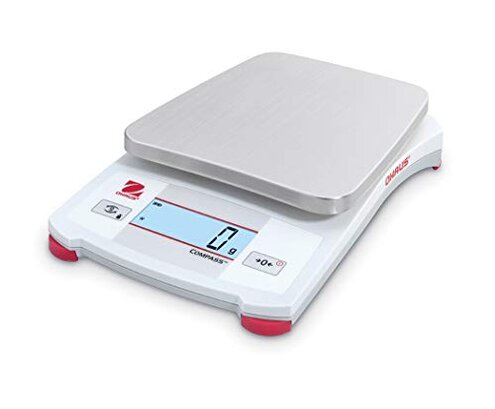
- Avoid it if you measure small recipe additions, powders, or hobby materials where sub-gram sensitivity is a reasonable category expectation.
- Avoid it if you want one scale for both heavier items and very fine adjustments, because the use range is narrower than many expect.
- Avoid it if the phrase portable balance makes you expect lab-like feel, since the 1 g readability is the main limitation.
- Avoid it if returning and rebuying would be a hassle, because the biggest regret is a spec mismatch noticed right after setup.
Who this is actually good for
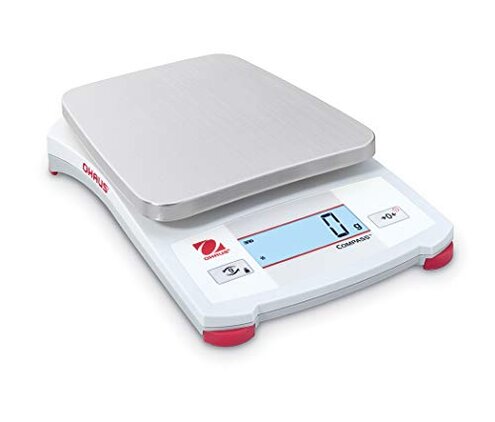
- Good fit for buyers weighing heavier items where whole-gram steps are acceptable.
- Good fit for workspaces needing a backlit display and simple two-button operation more than fine measurement detail.
- Good fit for users who value compact storage and already know 1 g readability is enough for their routine.
- Good fit as a basic utility scale if you are willing to tolerate coarse increments in exchange for straightforward use.
Expectation vs reality
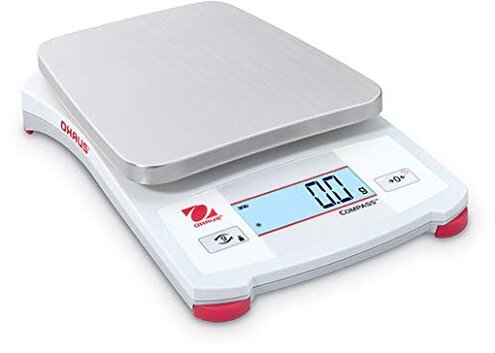
- Expectation: A portable balance should handle detailed measuring comfortably.
- Reality: The 1 g readout makes it better suited to broader measurements than fine adjustments.
- Expectation: A readable backlit screen means easier, more trustworthy use.
- Reality: The screen clarity helps, but it does not increase actual detail.
- Expectation: Reasonable for this category is a scale that feels forgiving across mixed tasks.
- Reality: This one is less forgiving than typical mid-range alternatives if your routine includes tiny changes.
Safer alternatives
- Shop by readability first: If you need fine measuring, choose a scale with smaller step size before comparing display features.
- Match the task: For mixed use, look for a model described for both portioning and precision work, not just general weighing.
- Test the wording: Treat terms like balance or portable as marketing clues, then verify the actual increment size.
- Prioritize fit over storage: Compact design matters less than getting the right measurement behavior on day one.
The bottom line
Main regret trigger: Buyers expecting fine-detail measuring often discover too late that this model reads in 1 g increments.
Why that exceeds normal risk: The mismatch feels worse than a typical mid-range scale because the product style can suggest more versatility than many users actually get.
Verdict: Avoid it if your work depends on small changes showing up clearly. It is safer only for buyers who already know whole-gram accuracy is enough.
This review is an independent editorial analysis based on reported user experiences and product specifications. NegReview.com does not sell products.