
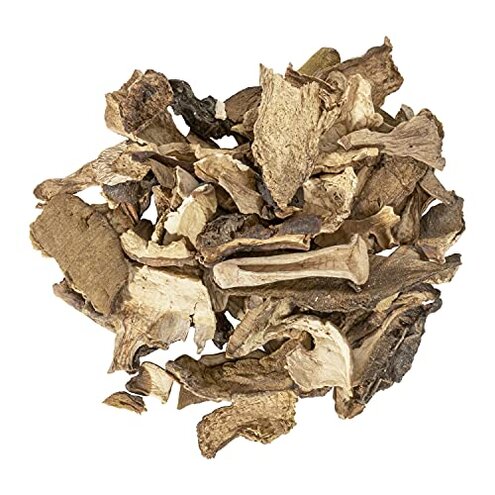
Product evaluated: OliveNation Porcini Mushrooms - Grade Super Premium AA - 16 ounces
Related Videos For You
Foraging Porcini Mushrooms (and drying them)
How to Rehydrate Dried Mushrooms - Re-Hydrating Reconstitute - Best Mushroom Recipes
Data basis: We reviewed dozens of buyer reports and visual posts collected from purchase feedback and user-submitted photos between 2020 and Feb 2026. Most feedback came from written reviews, supported by photos and occasional demonstration clips. The sample skews toward recent buyers and cooking tests.
| Outcome | OliveNation Porcini (this product) | Typical mid-range alternative |
|---|---|---|
| Price per ounce | High — $6.40 per ounce listing price, seen as a premium spend for dried mushrooms. | Moderate — most mid-range packs cost far less per ounce. |
| Rehydration consistency | Variable — more frequent complaints about uneven rehydration than expected for this category. | Reliable — mid-range brands usually rehydrate more uniformly. |
| Piece uniformity | Mixed — buyers report uneven slice sizes and occasional small bits. | More uniform — mid-range packs often list consistent cut sizes. |
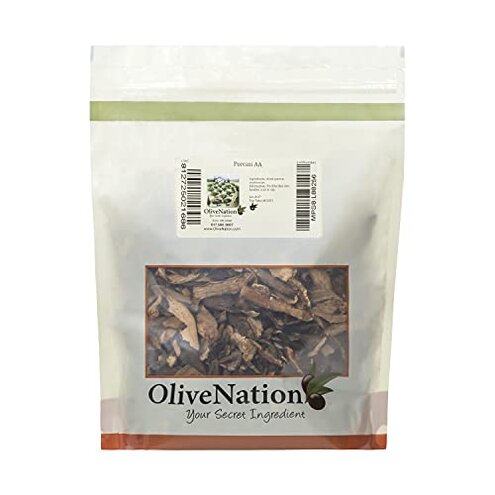
| Packaging | Resealable — freezer-style bag included but some report breakage or partial seal loss after opening. | Comparable — resealable bags are common at this price band. |
| Regret trigger | High cost + inconsistent quality — when pieces don't rehydrate or vary widely, buyers feel cost isn't justified. | Lower — mid-range options usually trigger less post-purchase regret for similar use. |
Top failures
Does the pack deliver usable porcini after rehydration?
Rehydration failure: Many buyers describe the regret moment when mushrooms stay chewy or powdery after soaking.
Pattern: This is a primary complaint that appears repeatedly across recent cooking tests and first uses; it is not universal but common enough to affect expectations.
Category contrast: Rehydration problems are more disruptive here than with typical dried mushrooms because buyers pay a premium price and expect near-consistent results.
Why are pieces so uneven and hard to cook evenly?
- Piece mismatch: Buyers often report a mix of large slices and tiny fragments that cook at different speeds.
- Usage anchor: This shows up during routine recipe prep when you attempt to cook a single batch evenly.
- Frequency tier: This is a secondary complaint but more annoying than typical because it adds prep work.
- Category contrast: Mid-range alternatives usually have more uniform cuts, reducing extra trimming or sorting.
Will packaging and storage protect the product over time?
- Seal reliability: Several buyers note the resealable bag can lose its seal after opening or tear at the zipper.
- When it appears: Problems commonly appear after the first opening and repeated reseals.
- Impact: Loss of seal increases risk of moisture pickup and textural changes during storage.
- Attempted fixes: Buyers report transferring contents to airtight jars or vacuum bags to recover freshness.
- Hidden requirement: Expect the need for an extra storage container to ensure longevity — this is not always obvious at purchase.
- Category contrast: This adds extra cost and effort compared with many mid-range packs that keep a durable seal.
Are you paying a premium for consistent culinary results?
- Cost versus result: The listing price positions this as a high-end buy but recurring quality flags reduce perceived value.
- Common scenario: The sticker shock becomes visible when pieces underperform in texture or aroma during a dinner prep.
- Worsening conditions: Issues intensify if you use large batches or rely on the mushrooms for a dish where texture matters.
- Fix attempts: Cook tests often require longer soak times, warmer water, or straining — adding prep time.
- Attempted mitigation: Some buyers pre-spot-test a small portion to gauge soak time before committing to a full recipe.
- Edge-case pattern: Less frequent reports note mild off-odors, usually after poor storage or moisture exposure.
- Category contrast: For a premium product, needing extra testing and prep is more frustrating than buyers expect.
Illustrative excerpts (not real quotes)
Illustrative: "Huge pieces still gritty after soaking, ruined my risotto." — Primary pattern.
Illustrative: "Bag zipper split after two uses, needed jar transfer." — Secondary pattern.
Illustrative: "Had to soak double time; added 20 minutes to prep." — Primary pattern.
Illustrative: "Small fragments made a muddy texture in soup." — Secondary pattern.
Who should avoid this
- Budget-sensitive cooks: Avoid if you expect consistent results for a mid-range price point.
- Time-pressed home cooks: Avoid if you cannot tolerate extra soak and test time before cooking.
- Event cooks: Avoid for dinner parties where a single bad batch would be obvious and costly.
Who this is actually good for
- Experimenting chefs: Good if you accept extra soak and sorting to get occasional premium pieces.
- Small-batch users: Good when you only need a few pieces and can pre-test before serving guests.
- Buyers with storage solutions: Good if you plan to immediately repackage into airtight containers to avoid seal issues.
Expectation vs reality
Expectation: Reasonable for this category to rehydrate reliably with a short soak time.
Reality: Many buyers find the product requires longer soak times and occasional pre-testing, which adds prep time and uncertainty.
Expectation: A resealable bag will protect freshness after opening.
Reality: Some buyers report zipper weakness or tearing, forcing extra storage steps to avoid spoilage.
Safer alternatives
- Choose uniform cuts: Prefer packs that advertise consistent slice size to avoid uneven cooking.
- Check price vs quantity: Compare per-ounce cost to confirm premium pricing matches expected quality.
- Prioritize seal durability: Look for reinforced resealable packs or vacuum-sealed options to cut storage risk.
- Pre-test small portions: If buying premium, test a small sample first to confirm soak time and texture before large recipes.
The bottom line
Main regret: The strongest trigger is inconsistent rehydration and piece quality combined with a premium price.
Why worse: This combination demands extra prep, repackaging, or testing more than typical mid-range dried mushrooms.
Verdict: Avoid if you need reliable, ready-to-use porcini for busy cooking; consider lower-cost or better-sealed alternatives instead.
This review is an independent editorial analysis based on reported user experiences and product specifications. NegReview.com does not sell products.