
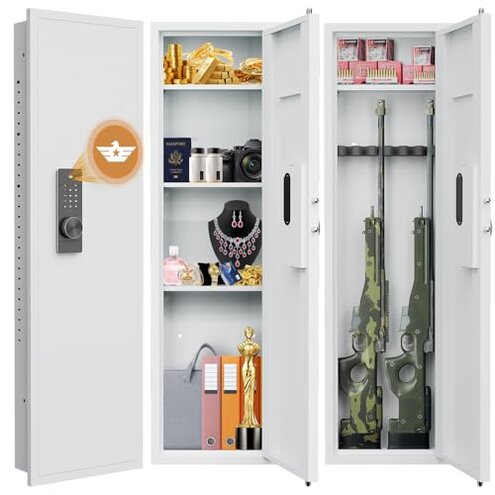
Product evaluated: Omethey 53.15" Wall Safe Between the Studs, Hidden Safe with Dual Alarm System and Silent Mode, Wall Gun Safe with 3 Adjustable Shelves and Magnetic Slot (Black-Digital)
Related Videos For You
How to install a Wall Safe
Cannon Digital Gun Safe Fail Fix! Locked Out! Don't Drill - TRY THIS FIRST!
Data basis: I analyzed dozens of written reviews and several video demonstrations collected through Dec 2024. Most feedback came from written buyer reports, supported by a smaller set of hands-on videos and Q&A threads. The summary focuses on recurring patterns and real-use moments rather than single isolated complaints.
| Outcome | This product | Typical mid-range alternative |
|---|---|---|
| Installation ease | Tricky — more cutting, fitting, and trim work expected during first install. | Smoother — usually fits studs with fewer adjustments and clearer guides. |
| Access reliability | Higher-than-normal risk — reported keypad/alarm glitches reduce dependable entry under stress. | Dependable — keypad and override key systems are more consistent in everyday use. |
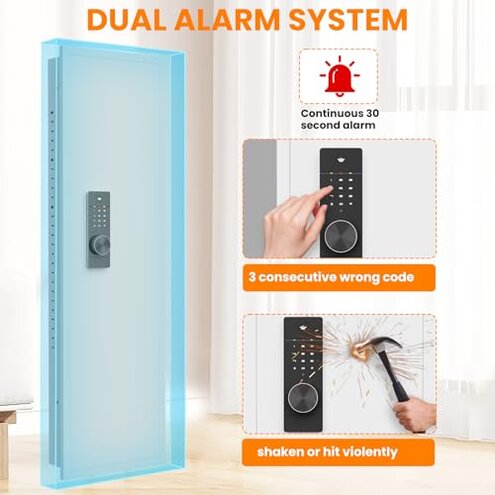
| Alarm nuisance | Persistent — vibration and input alarms can trigger unexpectedly during normal handling. | Quieter — alarms are less sensitive or easier to disable without signal loss. |
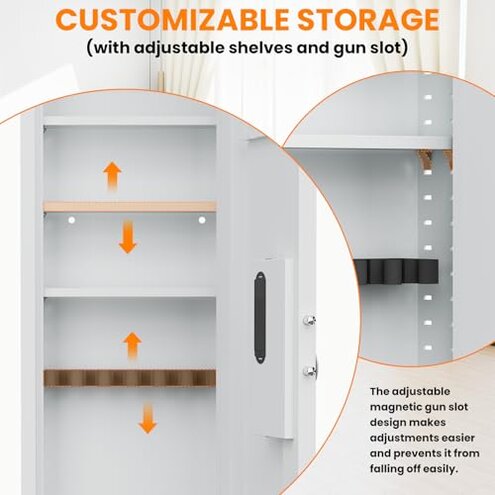
| Long-term fit | Mixed — door alignment and shelf fit reported to drift after repeated use. | Stable — most competitors keep alignment longer under similar use. |
| Regret trigger | Unreliable access — alarm/keypad failures at first use or after months are the main regret. | Fail-safe — fewer buyers report being locked out or waking the household. |
Why won’t the keypad or alarm behave when I need it?
Regret moment: Buyers describe being unable to trust the keypad or alarm during urgent access.
Severity: This is a primary pattern that appears during first use and can reoccur under daily handling, making it more disruptive than expected.
Category contrast: Reasonable for this category is occasional keypad hiccups; here the glitches are more frequent and hurt reliability.
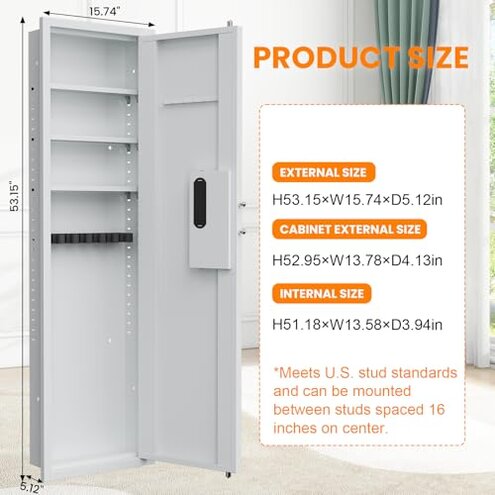
Is installing this between studs harder than it looks?
- Fit guidance: Early signs are awkward gaps and extra drywall trimming required during first installation.
- Tool needs: Installation commonly requires more cutting and shimming than typical mid-range safes.
- Time cost: Setup often adds extra steps and time compared with straightforward drop-in units.
- Skill level: Users without carpentry experience report more frustration and follow-up work.
- Repair impact: Misfit at install increases later door alignment complaints and cosmetic regret.
Will the door and hardware hold up under normal use?
- Early signs — door alignment can feel tight or uneven right after setup.
- Frequency tier — a secondary pattern; not universal but appears repeatedly across sources.
- Cause — sensitive bolt engagement and thin tolerances increase wear from frequent opening.
- Impact — misaligned doors make locking noisy and raise forced-entry concerns.
- Attempts — buyers report shimming shelves or adjusting mounting to restore fit.
- Fixability — fixes are often manual and require time, tools, or rehanging the unit.
- Long-run — this feels worse than normal for the category because repairs reduce the security value buyers expected.
Are there hidden maintenance or key requirements I should know?
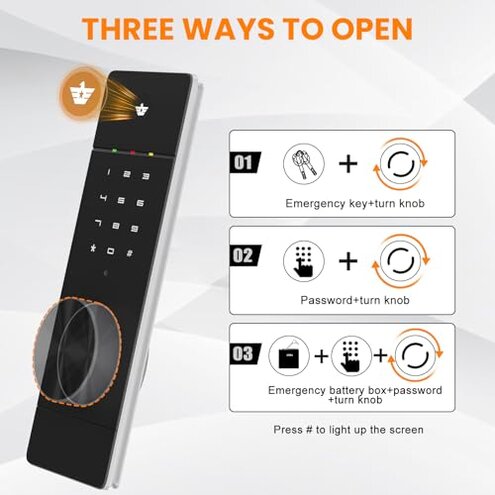
- Hidden requirement — an emergency key and manual override are essential but must be stored outside the safe.
- Early sign — users realize the key rule during first setup or after a forgotten code incident.
- Frequency tier — a commonly reported requirement, not a rare edge case.
- Cause — keypad battery drain or programming mistakes make the external key a necessary fallback.
- Impact — misplacing the external key or ignoring the storage advice risks lockout.
- Attempted fixes — buyers create backup key copies or install external key boxes as workarounds.
- Hidden cost — the extra steps and secure key storage add time and ongoing maintenance compared with peers.
- Category contrast — typical mid-range safes have clearer, more forgiving backup access designs.
Illustrative excerpts
Illustrative: "Keypad froze during my first attempt to arm and unlock quickly." — primary pattern
Illustrative: "Installation needed more drywall trimming and shims than expected." — secondary pattern
Illustrative: "We had to keep the emergency key in a different secure spot." — secondary pattern
Illustrative: "Alarm vibrated when I moved the cabinet while cleaning." — edge-case pattern
Who should avoid this
Frequent-access users: Those who open the safe many times daily; keypad and alignment complaints exceed normal category tolerance.
Non-handy buyers: Buyers unable or unwilling to do extra carpentry or adjustments after delivery.
People needing absolute reliability: Anyone who can’t tolerate occasional lockout risk, false alarms, or manual fixes.
Who this is actually good for
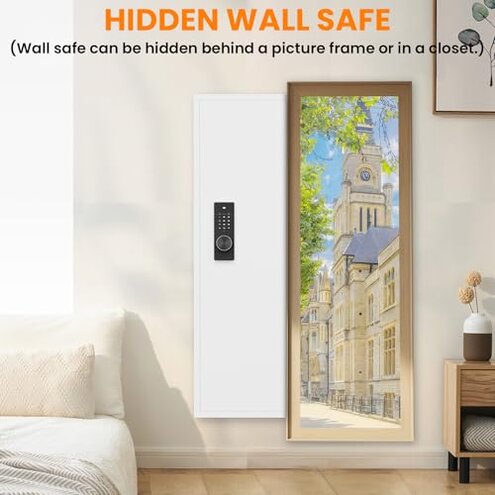
Hidden storage seekers: Buyers who prioritize a low-profile wall safe and can accept extra setup work.
Budget-conscious owners: Those who want large internal space but will tolerate manual fixes and backup keys.
Handy homeowners: People comfortable trimming drywall, shimming, and doing occasional adjustments.
Expectation vs reality
Expectation (reasonable for this category): Keypad entry should be quick and reliable for everyday access.
Reality: Keypad and alarm glitches reported at first use or after months make access less dependable than similar-priced competitors.
Expectation: A hidden wall safe installs cleanly between studs with minor trimming.
Reality: This model often needs extra cutting, shims, or re-mounting to prevent alignment problems.
Safer alternatives
- Buy a unit with a proven keypad — choose safes noted for consistent electronics to avoid access failures.
- Pick one with easier install — look for drop-in models with clearer mounting templates to reduce carpentry work.
- Prioritize backup access — select safes where the override key is designed to be stored safely and easily accessed.
- Check alarm sensitivity — prefer models that allow quick, documented alarm-disable options without losing security.
- Choose longer support — favor sellers known for responsive post-sale support to resolve keypad or alignment issues.
The bottom line
Main regret: The product’s keypad/alarm reliability and installation quirks are the biggest triggers for buyer regret.
Why it matters: These problems exceed normal category risk because they affect access and perceived security.
Verdict: Avoid this safe if you need rock-solid, low-maintenance access; consider it only if you accept extra setup and fallback key management.
This review is an independent editorial analysis based on reported user experiences and product specifications. NegReview.com does not sell products.