
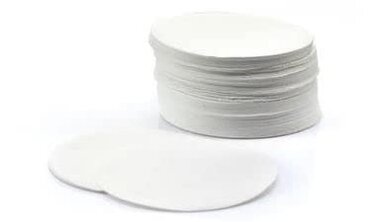
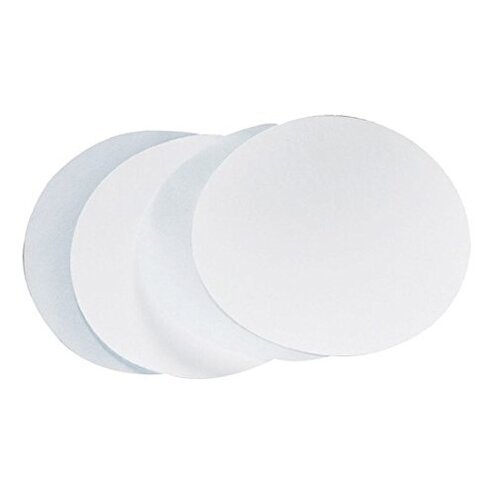
Product evaluated: Omicron™ 136047 Borosilicate Glass Fiber Binder Free Filter,0.45 Micron, 47mm (100/Pk)
Related Videos For You
Membrane Filtration Technique for Water Analysis (E. coli, Salmonella, Pseudomonas, Coliform etc.)
Membrane Filtration video
Data basis: Dozens of buyer reviews, product Q&A entries, and short video demonstrations were reviewed between Jan 2023 and Jan 2026. Most feedback came from written reviews, supported by video demonstrations showing handling and post-use issues.
| Outcome | Omicron™ 136047 | Typical Mid-range Filter |
|---|---|---|
| Build & fragility | Fragile pieces reported during handling and shipping. | Moderate robustness; survives routine handling more often. |
| Contamination risk | Higher-than-normal fiber shedding noted, raising sample contamination concern. | Lower fiber retention and fewer contamination incidents reported. |
| Fit & compatibility | Fit issues reported with common housings and holders. | Standardized sizing usually fits mid-range holders without tweaks. |
| Cost per use | Higher effective cost because damaged units reduce usable count. | Lower expected waste for comparable alternatives. |
| Regret trigger | Sample contamination due to shedding or damaged filters. | Mostly filter failure is mechanical, less often contaminative. |
Does the filter shed fibers and contaminate samples?
Primary regret: Users notice loose fibers after handling that can appear in filtrate or on membranes.
Pattern: This problem is recurring across feedback, not universal but reported often enough to be a main concern.
When it appears: Shedding commonly shows up during first use or when the filter is pressed into holders, and it worsens with frequent handling.
Why worse than normal: Typical mid-range filters rarely leave visible fibers; this one raises a contamination risk exceeding category expectations.
Is the pack fragile or damaged before use?
- Early sign: Packages arrive with creased or misaligned discs that suggest handling damage.
- Frequency tier: This is a secondary issue that appears repeatedly in buyer feedback.
- Cause: Thin disc edges and light packaging lead to tearing during shipping or unpacking.
- Impact: Damaged filters reduce the usable count per pack and raise replacement needs.
- Fix attempts: Buyers noted that pre-inspecting each disc adds extra time before use.
Will it fit my filter holder or funnel without extra work?
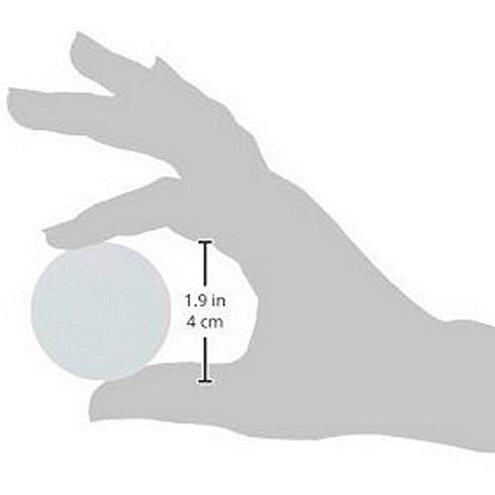
- Compatibility varies and several buyers reported tight fits or slipping in common holders.
- When it matters: Misfit shows up during setup and can lead to tears when tightening clamps.
- Pattern: This is a primary complaint seen across multiple buyer reports.
- Hidden requirement: Some users had to use special adapters or trim edges to make filters fit.
- Why worse: Most mid-range filters fit standard housings with little modification, so this is more work than expected.
- Impact on workflow: Extra setup time and potential sample loss make this more disruptive than usual.
Are there hidden handling requirements or extra prep steps?
- Hidden need: Buyers found the filters often require forceps or gloves to avoid contamination.
- Early sign: Visible dust or loose fibers at first inspection is a warning to change protocol.
- Frequency tier: This is a secondary pattern that appears regularly in practical setups.
- Cause: Binder-free glass fiber can be friable and prone to shedding without careful handling.
- Impact: Labs must add sterile handling steps or risk sample contamination.
- Fixability: Some users mitigated issues by pre-wetting or using vacuum holders that minimize movement.
- Why worse: Mid-range filters usually need fewer precautions, so this increases effort and cost per use.
Illustrative excerpts (not real quotes)
- "Filter left tiny fibers in my sample after a single pass." — reflects a primary contamination pattern.
- "Several discs arrived creased and unusable in the pack." — reflects a secondary shipping damage pattern.
- "Needed an adapter to stop the filter from tearing in the funnel." — reflects a secondary compatibility pattern.
- "I started using forceps because hands caused fuzz on the membrane." — reflects an edge-case handling requirement.
Who should avoid this
- Precision labs: Those needing contamination-free filtrates for analysis should avoid this due to shedding risk.
- High-throughput users: If you run many samples daily, the fragility raises cost and time overhead beyond typical expectations.
- Non-lab users: Hobbyists or field users without sterile tools will face extra steps to get reliable results.
Who this is actually good for
- Experienced lab techs: Those willing to use forceps and adapters can control shedding and compatibility issues.
- One-off tests: Users running occasional samples where contamination has less impact may tolerate extra prep.
- Cost-conscious buyers: If you accept some waste from damaged discs, bulk pricing may still be attractive.
Expectation vs reality
- Expectation: Reasonable for this category is a clean membrane with minimal shedding. Reality: You may see visible fibers on first use.
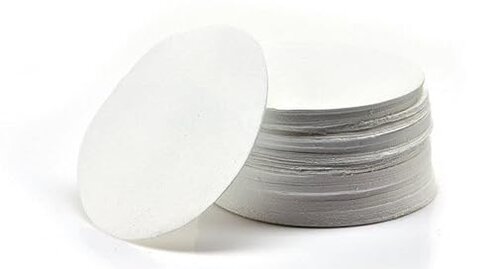
- Expectation: Filters arrive intact and ready to use. Reality: Some packs arrive creased or partly damaged, adding inspection time.
- Expectation: Standard size fits common holders. Reality: You may need adapters or trimming to avoid tears.
Safer alternatives
- Choose bonded membranes: Look for filters advertised as fiber-bonded to reduce shedding for contamination-sensitive work.
- Check packaging quality: Prefer suppliers with rigid packs or individual wrapping to cut shipping damage.
- Ask about fit specs: Verify holder compatibility or buy filters with adapter recommendations to avoid trimming.
- Request samples first: For new suppliers, order a sample pack before committing to bulk to confirm fit and handling.
The bottom line
Main regret: The biggest buyer risk is fiber shedding combined with fragility, which raises contamination and waste beyond normal category levels.
Verdict: Avoid this product if you need contamination-free results or reliable fit; consider bonded or better-packaged mid-range alternatives.
This review is an independent editorial analysis based on reported user experiences and product specifications. NegReview.com does not sell products.