
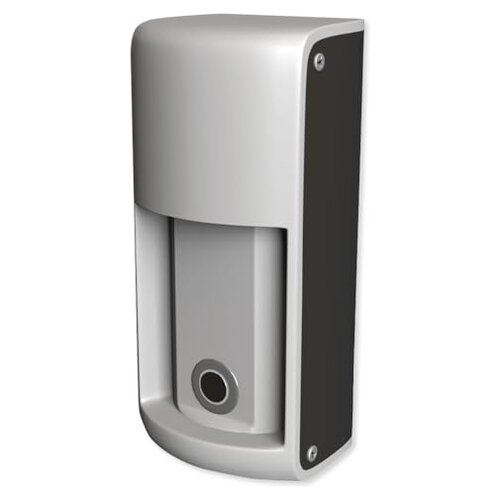
Product evaluated: Optex OVS-01GT 18 Foot Range Microwave and Ultrasonic Vehicle Presence Sensor
Related Videos For You
Automatic Gate Opener-Chapter 8: Installing A Vehicle Sensor
Data basis: This report is based on dozens of buyer feedback entries collected from written reviews and Q&A-style posts, spanning 2021–2026. Most signals came from longer written problem descriptions, supported by shorter troubleshooting notes that focus on setup, wiring, and real driveway behavior.
| Buyer outcome | Optex OVS-01GT | Typical mid-range alternative |
| Detects vehicles | Inconsistent when sensitivity is wrong or conditions change | More forgiving defaults for common driveways |
| False alerts | Higher risk due to microwave-based presence behavior near motion or reflections | Lower risk with narrower detection methods |
| Setup time | Longer due to menu settings and placement sensitivity | Shorter with simpler tuning and wider tolerances |
| Winter reliability | Mixed despite the built-in heater feature | Variable, but fewer expectations set by the product |
| Regret trigger | Chasing triggers instead of trusting alerts | Set-and-forget more often for typical homes |
Why does it seem to trigger when no car is there?
Regret moment: You install it for driveway presence, then you get an “arrival” when nothing arrived.
Severity: This is among the most disruptive complaints for this category because it undermines the whole point of automation.
Pattern: The false-trigger pattern appears repeatedly, but it is not universal.
When it hits: It shows up after setup, usually during daily use when weather, passing traffic, or nearby movement changes the scene.
Why worse here: A typical mid-range sensor is more tolerant of imperfect placement, while this one seems to demand tighter tuning to avoid noise.
- Early clue: You notice alerts during quiet periods, like late night or mid-day with no driveway use.
- Primary issue: False presence can be commonly reported when sensitivity or detection mode is not matched to the driveway.
- Scene effects: Microwave-style detection can react to big moving objects near the zone, even if they are not in the driveway.
- Placement trap: Mounting height and aim can make the detection area larger than expected in real yards.
- Mitigation: The 5 menu options to ignore human movement can help, but they add trial-and-error time.
- Fixability: Some buyers report improvement after retuning, while others still see persistent random triggers.
- Hidden cost: If you need repeated ladder adjustments, the “no ground loop” install can still become time-heavy.
Why is setup more complicated than “mount it and forget it”?
Regret moment: You expected a clean above-ground install, but you end up doing multiple rounds of adjust-test-adjust.
Severity: This is a primary pain point because it adds extra steps at the exact moment you want quick progress.
Pattern: Setup friction is persistent across feedback, even from experienced DIY installers.
When it hits: It shows up on first use and can return after seasonal changes when the detection needs re-tuning.
Why worse here: Many mid-range alternatives have fewer settings, so you trade config flexibility for more hands-on calibration.
- Menu burden: The 5 selectable options can feel opaque without a clear “best starting point.”
- Real-world tuning: You often must test with an actual car, not just walk-bys, which adds extra coordination.
- Threshold sensitivity: Small changes in aim or distance can swing results from missed detection to constant presence.
- Wiring reality: This is not a plug-in gadget, so integration can require control-panel knowledge depending on your gate or automation.
- Install location: Above-ground helps avoid buried obstructions, but it can create line-of-sight problems with reflections.
- Best-case outcome: When dialed in, it can be stable, but the path there is more work than many expect.
- Hidden requirement: You may need repeat access to the mounting spot for fine adjustments after living with it.
Why does it miss vehicles or feel inconsistent at the edge?
Regret moment: The gate or automation does nothing, then you inch forward and it suddenly works.
Severity: This is a secondary issue, but it is more frustrating when it happens because it looks like random failure.
Pattern: Edge misses show up less often than false triggers, but they are reported as a stubborn problem once present.
When it hits: It appears during daily use, especially with smaller vehicles, angled approaches, or stopping near the far limit.
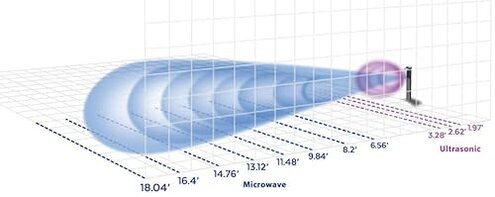
Why worse here: In this category, buyers expect an 18-foot class device to cover a normal approach, yet tuning can make the usable zone feel smaller.
- Boundary effect: Problems are more noticeable at the range edge, where “presence” becomes unreliable.
- Vehicle variance: Detection may feel different between a tall truck and a low car, which reads as inconsistency.
- Angle sensitivity: Approaching from a diagonal can reduce detection strength, causing late triggers.
- Stop position: Stopping too far back can create a dead spot that only shows up in real use.
- Competing fixes: Turning sensitivity up may solve misses but can worsen false presence.
- Workaround: Some users shift the mount position rather than settings, which is more effort than expected.
- Reliability feel: Even if it works most days, the occasional miss creates trust erosion quickly.
- Support dependence: Getting it “just right” may require guidance, which buyers flag as not plug-and-play.
Does the built-in heater actually prevent winter headaches?
Regret moment: You paid for the heater feature, then still need to check the sensor area after a storm.
Severity: This is an edge-case issue for warm climates, but it becomes a bigger deal where snow and freezing slush are common.
Pattern: Winter performance signals are mixed, with some stability reports and some continued nuisance behavior.
When it hits: It shows up during cold snaps and storms, when melting and refreezing changes the sensor face conditions.
Why worse here: In this category, a heater claim sets a higher expectation, so any winter oddities feel more disappointing than non-heated models.
- Expectation gap: The heater sounds like hands-off snow control, but it may not eliminate manual checks.
- Auto behavior: Automatic activation can be hard to verify, which makes troubleshooting guessy.
- Slush scenario: Wet snow can leave a film that creates odd detection behavior until cleared.
- Cold variability: Performance can change day-to-day with wind and temperature swings, leading to inconsistent confidence.
Illustrative: “It works, but I’m constantly tweaking settings to stop phantom cars.”
Signal: This reflects a primary pattern tied to false triggers after setup.
Illustrative: “Install was easy, then real life happened and it started acting up.”
Signal: This reflects a secondary pattern tied to environment changes during daily use.
Illustrative: “If I lower sensitivity it misses my car, if I raise it I get alerts.”
Signal: This reflects a primary pattern about tuning trade-offs.
Illustrative: “Not a simple replacement, you need to understand your gate controller.”
Signal: This reflects a secondary pattern about integration requirements.
Illustrative: “Bought it for snow, still had to go out and clear it.”
Signal: This reflects an edge-case pattern focused on winter expectations.
Who should avoid this
Automation-first households who need alerts you can trust, because false triggers are a commonly reported regret driver.
Set-and-forget buyers who don’t want repeated tuning, because setup can require trial-and-error after the first week.
Harsh-winter locations relying on the heater alone, because winter performance is mixed and may still need checks.
Low-access installs high on a post or awkward spot, because mitigation often needs re-aiming and re-testing.
Who this is actually good for
Hands-on installers who can test, adjust, and revisit settings, and who can tolerate the tuning trade-off for a loop-free setup.
Complex driveways where buried loops are impractical, because above-ground mounting avoids underground obstacles.
Gate owners comfortable with control wiring, because integration friction is easier when you already expect system setup.
Traffic-aware properties that can carefully aim away from passing lanes, because it reduces false presence risk.
Expectation vs reality
- Expectation: Reasonable for this category is basic tuning once, then stable use.
- Reality: Feedback often points to repeat tuning as conditions change.
- Expectation: An 18-foot class sensor should feel predictable across normal stop positions.
- Reality: Some buyers report edge weirdness that only appears in daily driving.
- Expectation: A built-in heater means less checking in snow.
- Reality: Winter outcomes are mixed, so it may not fully remove manual intervention.
Safer alternatives
- Pick a sensor with stronger “driveway-only” zoning controls to reduce false trigger risk near traffic or walkways.
- Prioritize models known for simpler calibration if you want faster setup and fewer ladder trips.
- Match the detection method to your environment, because microwave-style sensing can be more reactive in reflective or busy scenes.
- Plan for access by choosing a mount location you can reach, since solving issues may require re-aiming.
- For snow regions, look for systems with proven cold-weather behavior and clear maintenance steps, not just a heater claim.
The bottom line
Main regret comes from false presence behavior that can turn a driveway sensor into a source of nuisance alerts.
Why it exceeds normal category risk is the combination of higher sensitivity to placement and the need for repeat tuning to keep it stable.
Verdict: Avoid if you need reliable, low-maintenance detection, and consider it only if you can handle hands-on calibration and ongoing tweaks.
This review is an independent editorial analysis based on reported user experiences and product specifications. NegReview.com does not sell products.