
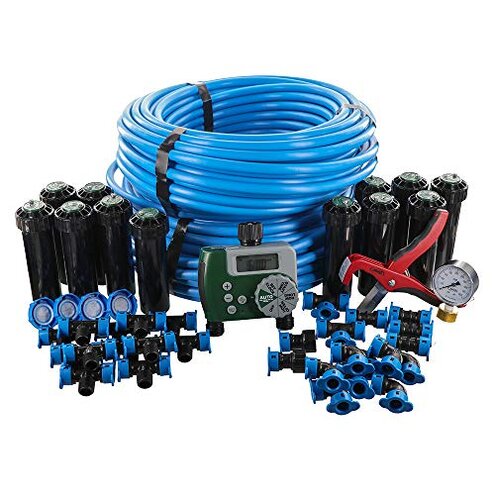
Product evaluated: Orbit 50021 2-Zone All-in-One Automatic Watering System
Related Videos For You
How to Install a Sprinkler System | A DIY Guide
DIY Self-Watering Drip System for Plants | creative explained
Data basis: This report is based on dozens of written customer reviews and several video demonstrations collected between Jan 2023 and Jun 2024, with most feedback coming from written reviews supported by how-to videos and photo posts.
| Buyer outcome | Orbit 50021 | Typical mid-range alternative |
|---|---|---|
| Installation time | Longer than expected — setup often adds extra steps compared with plug-and-play kits. | Faster setup — most mid-range kits install with fewer extra fittings. |
| Leak risk | Higher leak chance — connections commonly reported leaking during initial use. | Lower leak chance — mid-range options use simpler, more forgiving fittings. |
| Coverage consistency | Patchy coverage — heads may miss spots unless carefully adjusted after setup. | More even coverage — typical alternatives require less tuning to avoid dry spots. |
| Timer reliability | Occasional timer issues — some buyers report reprogramming after power or battery events. | Stable timers — comparable models usually hold settings reliably. |
| Regret trigger | Initial leaks & missed zones — combination is more disruptive than expected for this category. | Single-source issues — regrets usually limited to one predictable area. |
Top failures
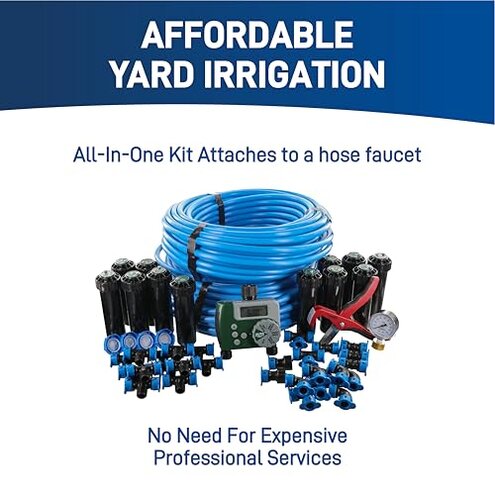
Why does the system leak during first use?
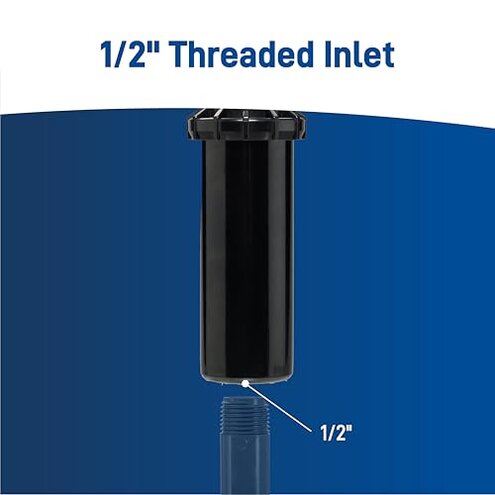
Regret moment: Leaks often appear during initial setup and within the first few watering cycles, creating puddles or low pressure at heads.
Pattern note: This is a primary issue that appears repeatedly across feedback and video checks. It happens during setup when connections are first pressurized and after seasonal storage.
Category contrast: Leaks are more disruptive than normal because they require reassembly or extra parts, which adds time and cost compared with most mid-range kits.
Why is coverage uneven across zones?
- Early sign: Spray heads produce dry spots visible after the first run-through, seen in multiple user reports.
- Frequency tier: This is a primary issue for many buyers, not universal but common enough to need post-install tuning.
- Usage anchor: It shows up after setup and worsens when zones run together or water pressure varies.
- Cause: Misaligned or inconsistent head output and required manual adjustment cause the gaps.
- Impact: Requires repeated testing runs and repositioning to achieve even lawn coverage.
Why do connections and fittings need extra parts or care?
- Hidden requirement: Many buyers find they need extra clamps or sealing tape, a secondary issue that appears during initial assembly.
- Scope: Seen across written and video feedback, not isolated to one batch.
- When it matters: Becomes critical when you convert from a hose faucet or if your outdoor faucet uses nonstandard threads.
- Attempts: Users report temporary fixes like extra tape or replacing connectors to stop leaks.
- Fixability: Repairable at low cost but adds unplanned time and parts compared with category expectations.
- Why worse: Most mid-range kits include simpler, more forgiving connectors, so this feels more annoying than typical.
Why does the timer need reprogramming or fail to hold settings?
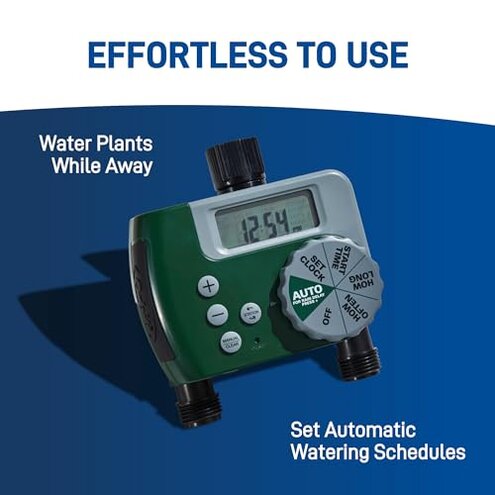
- Pattern: Timer glitches are a secondary issue, reported less often but disruptive when they occur.
- Usage anchor: Problems appear after power loss, battery change, or during seasonal use.
- Cause: Some buyers report clock resets or schedule loss, requiring re-entry of watering programs.
- Impact: Skipped or missed watering cycles until the timer is reprogrammed.
- Attempts: Users replace batteries, reset the unit, or use external timers as workarounds.
- Worse than normal: Mid-range alternatives more reliably retain settings through small interruptions.
- Hidden cost: Reprogramming eats time and may cause lawn stress if unnoticed for days.
Illustrative excerpts (not real quotes)
Illustrative excerpt: "Sprinkler heads left dry patches until I repositioned every head twice." — primary pattern
Illustrative excerpt: "Connections dripped after the first day; needed extra clamps and tape." — secondary pattern
Illustrative excerpt: "Timer reset after a battery swap and missed two watering cycles." — secondary pattern
Who should avoid this
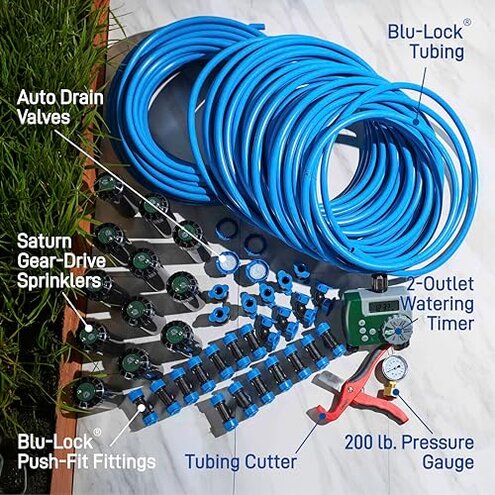
- Buyers with limited DIY time: If you dislike repeated tuning, avoid this kit because coverage and fittings often need hands-on adjustments.
- Vacation-dependent users: If you need a worry-free auto system while away, avoid this product due to timer and leak risks that can interrupt watering.
- Low-tolerance for yard damage: If a few missed cycles or puddles cause costly lawn issues, avoid it because initial leaks and gaps are more disruptive than expected.
Who this is actually good for
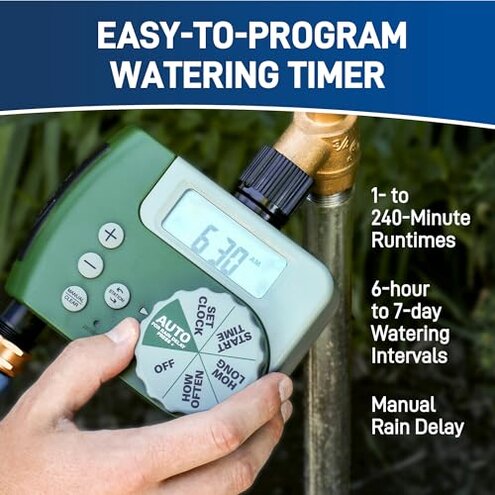
- Hands-on gardeners: Willing to tweak heads and fittings and tolerate extra setup time to save compared to professional installs.
- Small lawn owners: If you have a compact yard and can test zones easily, you can manage coverage tuning quickly.
- Budget DIYers: Comfortable adding clamps or tape to stop leaks and who accept occasional reprogramming of the timer.
Expectation vs reality
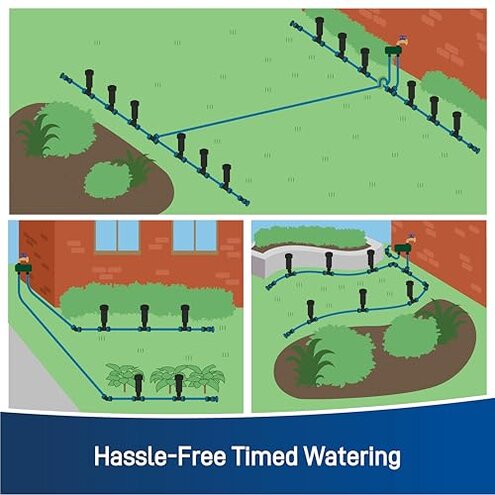
Expectation: Reasonable for this category is a kit that runs reliably after first install with minimal extra parts.
Reality: This product often requires additional fittings, repeated head adjustments, and occasional timer resets, which increases setup time and hassle.
Safer alternatives
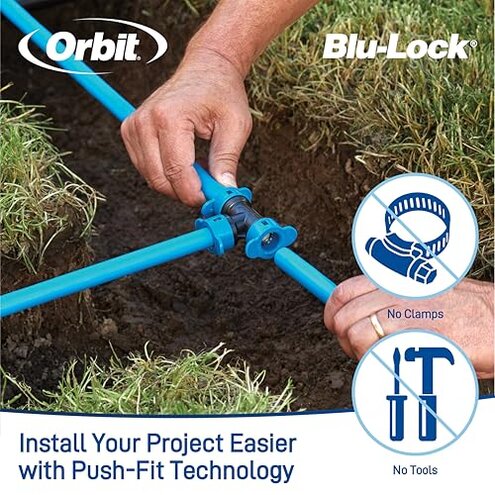
- Choose kits with robust connectors: Look for products advertising patented or reinforced fittings to avoid the common leak problem.
- Prefer pre-calibrated heads: Select systems where spray patterns are factory-set to reduce the need for repeated coverage tuning.
- Buy a proven timer: Pick controllers with nonvolatile memory or backup batteries to prevent timer resets during power events.
- Allow extra parts in budget: Plan for clamps, sealing tape, or adapter fittings to address the hidden connection requirements.
- Read setup videos first: Watch user setup demos to spot tricky steps before buying, since many issues show up during setup.
The bottom line

Main regret: The combination of initial leaks and uneven coverage is the primary reason buyers report frustration.
Why it matters: These problems require extra parts, repeated adjustments, and time, making the kit riskier than most mid-range alternatives.
Verdict: Consider avoiding this model if you want a low-effort, reliable automatic sprinkler without extra tuning.
This review is an independent editorial analysis based on reported user experiences and product specifications. NegReview.com does not sell products.