
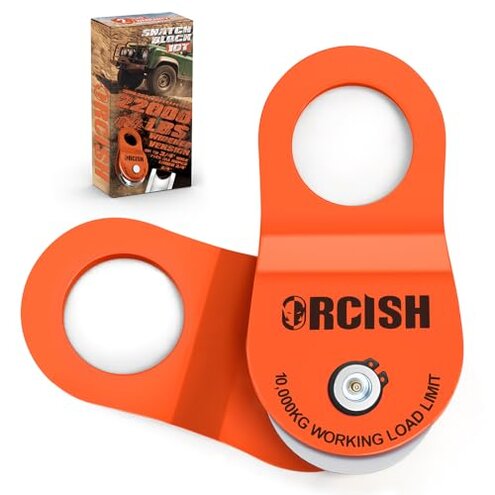
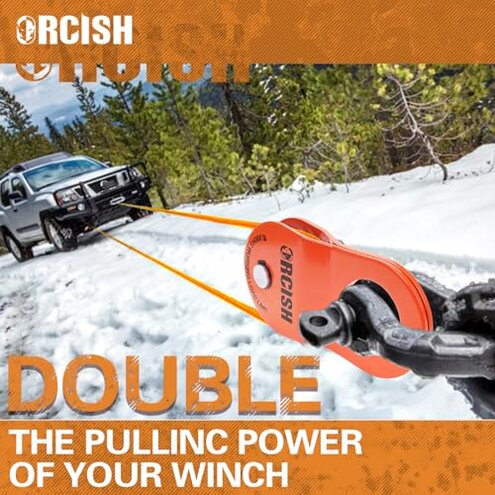
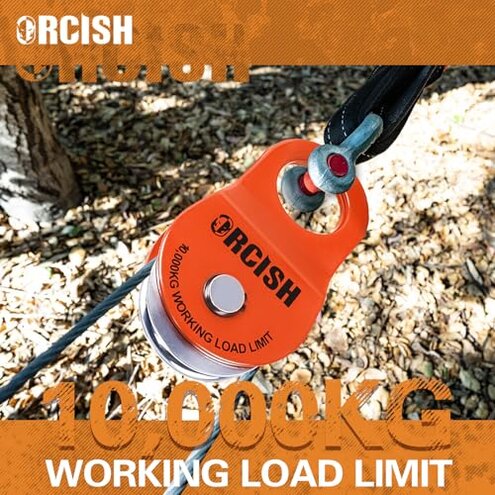
Product evaluated: ORCISH 10 Ton Snatch Block, 22,000 LBS Capacity Block and Tackle Pulley System, Work with 0-3/4” Rope, Winch Hook Accessories, Heavy Duty Offroad Recovery Accessory for Truck, Tractor, ATV & UTV
Related Videos For You
Why Snatch Blocks are AWESOME (How Pulleys Work) - Smarter Every Day 228
Data basis This report is based on dozens of buyer comments collected from written feedback and video-style demonstrations between 2023 and 2026. Most usable signals came from written experiences, with supporting patterns from short field-use clips and follow-up comments that showed what happened during setup and recovery use.
| Buyer outcome | ORCISH 10 Ton | Typical mid-range alternative |
|---|---|---|
| First-use confidence | Lower if you want smoother rope seating and cleaner fit right away. | Usually steadier with less early second-guessing during setup. |
| Setup forgiveness | Less forgiving; rope position matters more to avoid binding or awkward tracking. | More tolerant of small setup mistakes in basic recoveries. |
| Maintenance burden | Higher-than-normal because buyers often mention extra checking and grease attention. | Moderate upkeep is still expected, but usually with fewer reminders. |
| Heavy-pull trust | More mixed when buyers notice deformation concerns or want a more confidence-inspiring feel. | More predictable for routine off-road use at this price tier. |
| Regret trigger | Needing to baby it during the exact recovery moment when buyers wanted simple, confident use. | Minor compromises, but usually not as much active monitoring. |
Why does it feel fussy when you just need a simple pull?
Primary issue appears to be rope tracking and fit sensitivity. The regret moment shows up during setup or right as tension starts, when buyers expect the line to sit cleanly without extra adjustment.
Recurring pattern is that it is not universally bad, but it appears repeatedly enough to stand out as one of the most common complaints. For this category, some attention is normal, but this seems less forgiving than many mid-range alternatives.
- Early sign: Buyers notice the rope needs careful centering before pulling.
- Pattern: This is a primary complaint seen across multiple feedback types.
- When it hits: The problem shows up on first use or whenever the line angle is less than ideal.
- Why it matters: It adds extra steps at the exact moment a recovery should feel controlled.
- Worse condition: It gets more frustrating when using synthetic rope or working around obstacles.
- Category contrast: Snatch blocks always need attention, but this one seems more position-sensitive than expected.
Illustrative: “I had to keep rechecking the rope before I trusted the pull.” Primary pattern.
Do you really want to inspect it this closely before use?
- Second issue: Buyers repeatedly mention inspection anxiety before use.
- Context: It tends to come up before the first real recovery and again after harder pulls.
- Signal: This is a secondary complaint, less frequent than rope tracking, but more frustrating when it occurs.
- Visible concern: Some buyers focus on possible deformation or whether parts look confidence-inspiring enough.
- Practical impact: That means more stopping, checking, and deciding if you should use something else.
- Hidden requirement: You may need to be more comfortable with ongoing inspection than a casual buyer expects.
- Category contrast: Safety checks are normal here, but the need for repeated reassurance feels higher than normal for a mid-range recovery accessory.
Illustrative: “It worked, but I kept wondering if I should trust it.” Secondary pattern.
Why does a budget buy start asking for extra upkeep?
Persistent friction is the maintenance side. Buyers commonly notice that it is not a toss-in-the-toolbox item if they want smoother operation over time.
Usage context matters here. The burden shows up after setup and repeated use, especially if the block sees dirt, moisture, or long gaps between uses.
- Frequency tier: This is a secondary issue that becomes more important with repeat use.
- User-visible effect: Owners mention the need for grease and checks, not just occasional storage.
- Time cost: That adds maintenance steps before or after recovery trips.
- Worsens when: The inconvenience grows in muddy or wet conditions.
- Regret point: Buyers wanted simple readiness, but instead get another part that needs attention.
- Fixability: Maintenance can help, but it does not remove the product's basic fussiness.
- Category contrast: Some upkeep is expected, yet this seems less low-maintenance than many shoppers assume at this price.
Illustrative: “It is not hard to maintain, just more annoying than I expected.” Secondary pattern.
What if you bought it for confidence under heavier recovery stress?
- Edge concern: The biggest hesitation is confidence under load, not necessarily everyday light use.
- Pattern signal: This is an edge-case issue, but it is serious because it affects the exact use case buyers care about.
- When it appears: Concern rises during tougher pulls when the product needs to feel boring and predictable.
- What buyers notice: Some describe a less reassuring feel than they expected from the stated capacity.
- Why regret spikes: A recovery tool loses value fast if you hesitate to rely on it in the hard moment.
- Category contrast: All recovery gear should be respected, but this appears more trust-sensitive than typical mid-range options.
- Workaround: It may be acceptable for lighter, more controlled use if you already inspect gear carefully.
- Bottom risk: If you bought the rating for peace of mind, this is where disappointment can hit hardest.
Illustrative: “Fine for light jobs, but I wanted more confidence for real recovery.” Edge-case pattern.
Who should avoid this
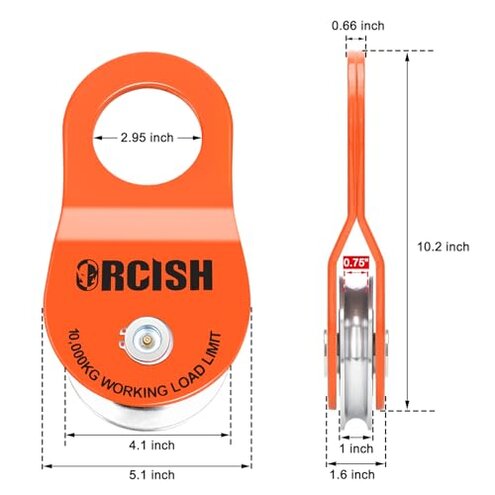
- Avoid it if you want a snatch block that feels easy to trust on the first setup.
- Skip it if you do not want to monitor rope placement closely during recovery.
- Pass if you expect low-maintenance gear that can sit ready with minimal checking.
- Look elsewhere if your priority is confidence during harder pulls, not just occasional lighter use.
Who this is actually good for
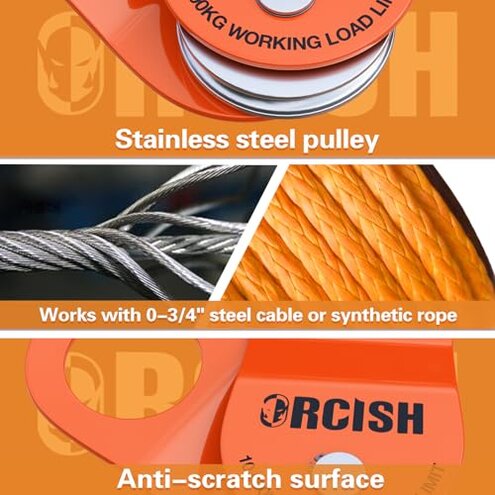
- It fits buyers who already know recovery gear and do not mind careful line positioning.
- It suits occasional users who can tolerate extra inspection to save money upfront.
- It works better for lighter, controlled pulls where setup time is not a big problem.
- It makes more sense for hands-on owners who already grease and check hardware routinely.
Expectation vs reality
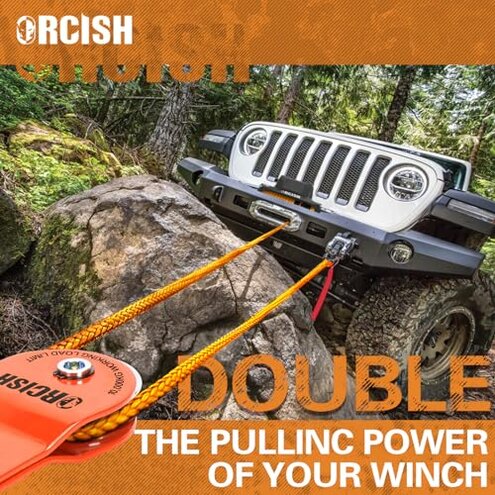
Expectation: A snatch block in this price class should need normal care, then work without much drama.
Reality: Buyers commonly describe more setup sensitivity and more active checking than expected.
- Reasonable for this category: You expect some caution with any recovery tool.
- Worse-than-expected reality: Here, the caution can turn into ongoing second-guessing during use.
- Expectation: Rated capacity should create a strong sense of backup confidence.
- Reality: For some buyers, the stated rating does not fully remove trust concerns under stress.
Illustrative: “I expected rugged simplicity, but it wanted more attention than my old gear.” Primary pattern.
Safer alternatives
- Choose a model with repeated buyer praise for smooth rope seating to reduce the tracking issue.
- Prioritize designs described as more forgiving during angled pulls if you recover around obstacles often.
- Look for feedback that mentions long-term smooth use with minimal greasing if low upkeep matters.
- Favor options buyers call confidence-inspiring under load, not just strong on paper.
- Buy from lines with clearer real-world setup guidance if you are not already experienced with recovery gear.
The bottom line
Main regret trigger is that this snatch block can demand more careful setup, inspection, and reassurance than buyers expect. That exceeds normal category risk because a recovery accessory should feel most dependable when the situation is stressful, not more fiddly.
Verdict If you are buying for easy confidence and low fuss, this is one to avoid. It makes more sense only for buyers who accept extra checking as part of the deal.
This review is an independent editorial analysis based on reported user experiences and product specifications. NegReview.com does not sell products.