
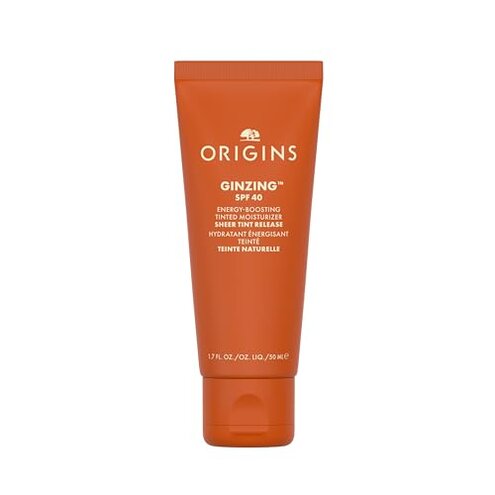
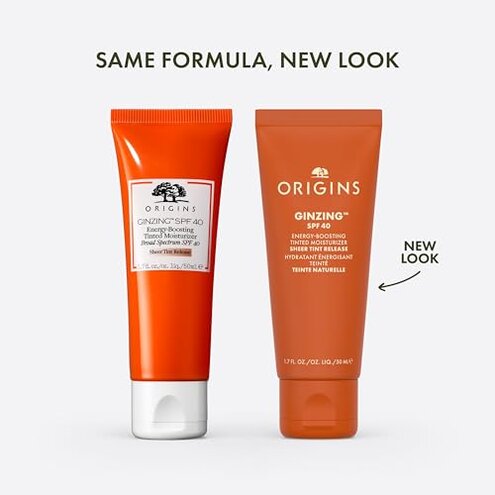
Product evaluated: Origins GinZing Energy-Boosting Tinted Moisturizer with SPF 40 | Hydrates & Perfects | Skin Tint with Caffeine and Ginseng, 1.7 Fl Oz
Related Videos For You
Testing BB Creams, CC Creams + Tinted Moisturizers | Reviews + Wear Test
How to Apply Tinted Moisturizer | Makeup Tutorials
Data basis for this decision report comes from analyzing dozens of aggregated buyer experiences collected from written reviews and star-rating feedback, spanning a multi-year window from 2019–2026. Most signals came from longer written notes, with shorter ratings helping confirm which complaints were recurring versus isolated.
| Buyer outcome | Origins GinZing | Typical mid-range tint |
|---|---|---|
| Finish on skin | Less forgiving when texture is present; patchiness shows faster | More even on average with quick blending |
| Shade match | Higher risk of looking off once it dries down | Lower risk due to wider shade flexibility |
| Wear over day | More separation reported during long days and mask/heat friction | More stable in normal errands and office wear |
| Sensitivity comfort | Higher-than-normal irritation/eye sting risk for this category | More predictable comfort for most users |
| Regret trigger | Looks worse than bare skin in unforgiving lighting | Looks okay even when applied quickly |
Why does it look patchy instead of “no-makeup”?
Regret moment usually hits after the first full-face application, when the tint sets and starts emphasizing dry spots or texture. This is among the most common negative patterns, and it can feel more disruptive than expected for a tinted moisturizer.
Pattern is recurring but not universal. It shows up most during morning rush application, then looks worse under bright indoor lighting later.
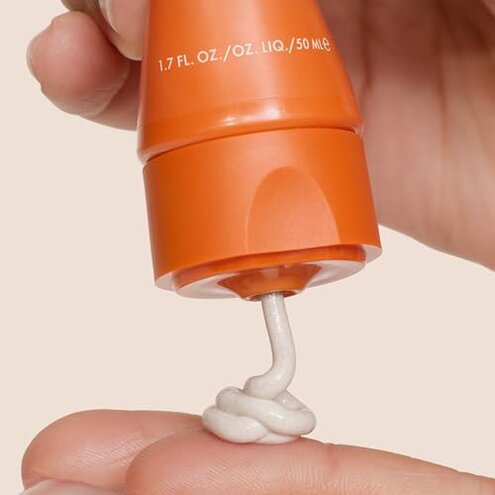
Category contrast: most mid-range tinted moisturizers are more “slippy” and self-leveling. Here, buyers repeatedly describe needing extra prep and technique to avoid a blotchy finish.
- Early sign: it starts smooth, then dries down into uneven areas around nose and cheeks.
- Frequency tier: this is a primary issue that appears repeatedly across buyer feedback.
- Worse conditions: it shows more when skin is dry, freshly exfoliated, or after a long hot commute.
- Hidden requirement: many users end up needing a separate moisturizer or primer first, which defeats the “one-step” appeal.
- Impact: you spend extra time blending, then still see streaks when you check a mirror mid-day.
- Attempts: buyers commonly try fingers vs sponge, and thinner layers, with mixed results.
- Fixability: it can improve with careful prep, but it is less forgiving than typical products in this lane.
- Illustrative: “It looked fine at first, then clung to every dry patch.” Primary pattern reflecting repeated wear complaints.
Why does the shade look wrong after it sits?
Regret moment tends to happen 10–30 minutes after application when the color settles and the face no longer matches neck or chest. This is a secondary but persistent complaint, and it is more annoying than expected because buyers choose a tint to avoid obvious makeup.
- Pattern: mismatch reports show up repeatedly, especially from people expecting “sheer” to be foolproof.
- When it appears: it’s most noticeable after the product dries down, not during first blending.
- Worse conditions: the issue can pop more in daylight or under cool office lighting.
- Buyer impact: you end up adding bronzer, powder, or another base to correct it.
- Category contrast: many mid-range tints “disappear” into skin tone better. This one is described as having a more obvious color cast for some users.
- Mitigation: choosing a more neutral shade and applying a thin layer helps some, but it adds trial-and-error.
- Return risk: shade uncertainty increases the chance of an unusable bottle at this price.
- Illustrative: “In the mirror it’s okay, but outside it turns oddly beige.” Secondary pattern tied to dry-down and lighting.
Why does it feel heavy or sit on top of skin?
Regret moment shows up during daily wear when the product feels present on the face instead of hydrating and disappearing. This is a secondary issue, but it is more frustrating in this category because buyers expect a tinted moisturizer to feel light.
- Recurring: “too much for a tint” appears repeatedly in negative feedback.
- When: it’s most noticeable during midday when skin warms up and oils start coming through.
- Worse conditions: long wear, warmer rooms, and frequent face touching can make it feel more slippery.
- Visible effect: some users report more shine and a “product layer” look, not a skin-like finish.
- Time cost: people add powder or blotting, turning a one-step base into a routine.
- Category contrast: a typical mid-range option usually needs less maintenance. Here, upkeep is described as higher than expected.
- Mitigation: using less product and setting strategically can reduce the feel, but it can also reduce the coverage.
- Illustrative: “I wanted a quick tint, but I’m constantly powdering my T-zone.” Secondary pattern tied to wear and upkeep.
Why do some people get stinging or discomfort?
Regret moment is immediate, often within the first few uses, when the skin or eye area feels irritated. This is an edge-case pattern, but it’s a higher-than-normal category risk because discomfort makes the product unwearable.
- Pattern: sensitivity complaints are less frequent than finish problems, but they recur across feedback.
- When: it often happens on first use or after reapplying during the day.
- Worse conditions: applying too close to eyes or on compromised skin can make it more noticeable.
- Buyer impact: people stop using it or limit placement, which reduces the “all-over” tint benefit.
- Category contrast: most mid-range tinted moisturizers are more predictable around the face for a larger share of users.
- Mitigation: patch testing and avoiding the eye contour can help, but that’s an extra step buyers did not expect.
- Illustrative: “My eyes watered when I blended it up toward my under-eye.” Edge-case pattern tied to placement.
Who should avoid this
- Dry-texture skin shoppers who hate seeing product cling, because patchiness is a primary recurring complaint.
- One-step routine buyers, since many reports imply a prep requirement to make it look good.
- Shade-picky shoppers who need an easy match, because dry-down mismatch shows up as a persistent secondary issue.
- Sensitive-eye users, since stinging is less frequent but can be a deal-breaker when it happens.
Who this is actually good for
- Normal-to-oily skin users who already set with powder and can tolerate extra maintenance during the day.
- Experienced base wearers who don’t mind using a separate moisturizer or primer to prevent uneven areas.
- Light coverage shoppers who prefer a subtle tint and accept that shade may need trial to get right.
- SPF priority buyers who like the idea of SPF 40 and can work around the finish quirks with technique.
Expectation vs reality
- Expectation: a tinted moisturizer is reasonable for this category to blend fast and look even.
- Reality: recurring feedback points to patchy dry-down unless you prep carefully and apply in thin layers.
Expectation is that “sheer tint” makes shade matching low-stress. Reality is that buyers repeatedly describe the tone looking more obvious after it sets.
- Expectation: wear should feel light and hydrating through a normal day.
- Reality: a persistent secondary theme is extra upkeep like powdering or blotting.
Safer alternatives
- Prioritize slip: look for tints described as “self-leveling” to reduce the patchy risk on texture.
- Choose flexible shades: pick ranges marketed as adaptable or very sheer to reduce dry-down mismatch frustration.
- Check wear tests: seek long-wear demos in heat or mask friction to avoid separation during daily life.
- Eye-safe routine: if you’re sensitive, pick options repeatedly described as comfortable around eyes to lower stinging risk.
- Sample first: when possible, trial before committing, because this product’s main downside is a fit-and-technique dependency.
The bottom line
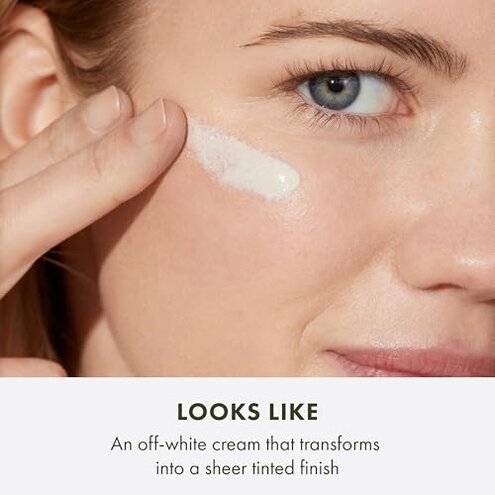
Main regret trigger is a finish that can turn patchy or emphasize texture after it dries. Category risk feels higher than normal because many buyers end up needing extra prep and upkeep for a product marketed as a simple, effortless base. Verdict: avoid if you need a reliable one-step tint that looks even in real-world lighting.
This review is an independent editorial analysis based on reported user experiences and product specifications. NegReview.com does not sell products.