
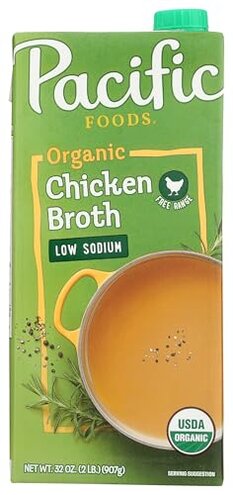
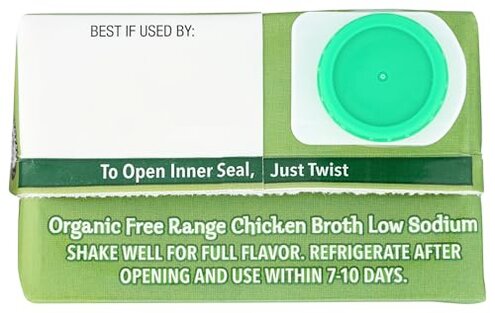
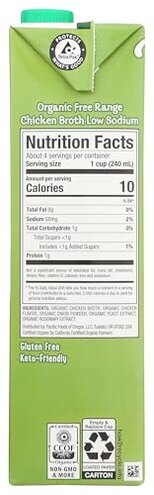
Product evaluated: Pacific Foods Low Sodium Organic Free Range Chicken Broth, 32 oz Carton (Case of 12)
Related Videos For You
The Best and Worst Supermarket Chicken Broths | The Taste Test
Data basis: This report summarizes dozens of buyer comments collected from written feedback and video-style product impressions between 2023 and 2026. Most input came from longer written experiences, with shorter hands-on reactions used to confirm recurring patterns during everyday cooking and sipping use.
| Buyer outcome | This broth | Typical mid-range alternative |
|---|---|---|
| Flavor strength | Lower than many shoppers expect for soups or sipping | Moderate flavor with less doctoring needed |
| Salt trade-off | Better for sodium control, but taste can feel too flat | More balanced taste, though often less sodium-friendly |
| Cooking effort | Higher because repeated seasoning adjustments are commonly needed | Lower because it works more often straight from the carton |
| Shipping risk | Higher-than-normal category risk when buying a full case of cartons | Lower risk when packaging is sturdier or sold in smaller packs |
| Regret trigger | Buying 12 cartons before knowing if the lighter taste works for you | Trying fewer units before committing to a case |
Why does it taste weaker than you expected?
This is the primary issue in buyer feedback. The regret moment usually shows up on first use, when a soup base or sipping cup tastes flatter than expected.
The trade-off is clear: lower sodium helps some buyers, but the flavor gap feels more disruptive than expected for this category. A typical mid-range broth is usually more usable without extra help.
- Pattern: A recurring complaint is that the broth tastes mild to the point of seeming watered down.
- When it hits: The problem appears during daily cooking when used as the main flavor base for soup, rice, or sauces.
- What worsens it: It feels worse in simple recipes where the broth has to carry most of the taste by itself.
- Buyer impact: Shoppers often need extra seasoning, which adds steps and can defeat the point of choosing a ready-to-use broth.
- Category contrast: Low-sodium broth is expected to be lighter, but this appears less forgiving than many mid-range alternatives.
- Fixability: The issue is partly fixable if you already plan to build flavor with herbs, aromatics, or other ingredients.
Illustrative excerpt: “I wanted low salt, not something that tastes this empty.”
Pattern note: This reflects a primary pattern.
Do you end up adding so much that the low-sodium benefit shrinks?
This is a secondary issue, but it becomes frustrating after a few cartons. The problem usually shows up after repeated use, when buyers realize each meal needs more fixing than expected.
The hidden requirement is that this broth often works better as a blank base than a finished broth. That is a bigger ask than most shoppers expect from a shelf-stable carton.
- Frequency tier: This appears repeatedly, though less often than direct complaints about bland taste.
- Real-life moment: It shows up when you expect a quick weeknight shortcut and instead need to adjust every pot.
- Common attempt: Buyers try adding salt back, plus extra seasoning, to create the depth they thought was already there.
- Why that stings: The low-sodium feature can feel self-canceling if you keep rebuilding flavor from scratch.
- Cost in effort: The main downside is extra time, not just extra ingredients.
- Category contrast: Many mid-range broths still need tweaking, but this can require more correction than normal to feel satisfying.
- Best-case use: It fits better if you want tight sodium control and already season aggressively on your own.
Illustrative excerpt: “Every carton turns into a project instead of a shortcut.”
Pattern note: This reflects a secondary pattern.
What if a whole case arrives and you already know the taste is not for you?
This is among the most disruptive complaints because the product is sold as a case of 12. The regret usually lands at delivery or early use, when buyers realize the commitment is much larger than a single-carton test.
- Primary risk: A full 12-carton case raises the downside if the flavor profile misses your preference.
- Shipping context: Carton-based pantry items carry a persistent damage concern during delivery, especially with larger case orders.
- Why it feels worse: Packaging issues are category-expected, but they are more frustrating here because one problem can affect multiple cartons.
- Taste overlap: Even without visible damage, buyers can feel stuck with a lot of broth they do not enjoy enough to finish.
- Comparison point: A typical mid-range alternative bought in smaller quantities creates less commitment risk.
- Mitigation: This risk is less severe if you already know and like the exact flavor style.
- Hidden requirement: New buyers really need a single-carton trial first, which this listing does not provide.
- Regret trigger: This is the moment when a minor taste issue turns into a bulk-purchase mistake.
Illustrative excerpt: “Twelve cartons is a lot when you know after one bowl.”
Pattern note: This reflects a primary pattern.
Is it satisfying enough to sip on its own?
This is an edge-case issue, but it matters because the product is promoted for sipping as well as cooking. The disappointment appears during first cup use, especially for buyers replacing coffee or tea.
Not everyone wants a strong sipping broth, but persistent feedback suggests this one can feel too light on its own. That is a bigger mismatch than normal when a product is positioned as ready for direct drinking.
- Use case: The issue appears when the broth is heated and served plain, without other ingredients.
- Pattern: This is less frequent than cooking complaints, but more frustrating when sipping was the main reason for purchase.
- What buyers notice: The cup can feel thin or not very comforting compared with expectations.
- Why it matters: Sipping broth needs immediate flavor, since there are no recipe additions to hide weakness.
- Category contrast: For this use, it feels worse than expected versus broths bought mainly for drinking.
Illustrative excerpt: “Fine in a recipe, but too plain to enjoy by itself.”
Pattern note: This reflects an edge-case pattern.
Who should avoid this
- Avoid it if you want a broth that tastes complete straight from the carton.
- Avoid it if your main goal is quick cooking with minimal seasoning adjustments.
- Avoid it if you are trying a new broth and dislike the risk of a 12-carton commitment.
- Avoid it if you want a rich sipping broth with satisfying flavor on its own.
Who this is actually good for
- Good fit for buyers who need lower sodium and are comfortable building flavor themselves.
- Good fit for cooks using it as a recipe base with plenty of other seasonings already planned.
- Good fit for repeat buyers who already know they like this lighter style and accept the case format.
- Good fit for people who see broth as a neutral starting point, not a finished product.
Expectation vs reality
Expectation: A low-sodium broth should taste lighter, but still be reasonably flavorful for this category.
Reality: The most common complaint is that it can feel too flat unless you rebuild the taste yourself.
Expectation: A carton broth should save prep time on busy nights.
Reality: This one often adds extra steps because repeated seasoning corrections are commonly needed.
Expectation: Bulk buying should lower hassle once you find a product you like.
Reality: The case format increases regret if the flavor misses for you on the first carton.
Safer alternatives
- Start smaller by buying a single carton or smaller pack first to reduce bulk regret.
- Choose standard sodium if you want a broth that works with less doctoring right away.
- Look for sipping-focused broth if your main use is drinking it plain rather than cooking with it.
- Check packaging style if delivery damage worries you, because sturdier formats can reduce case-order risk.
The bottom line
The main regret trigger is simple: the flavor can be too weak, and the 12-carton case makes that mistake expensive in effort and commitment. That exceeds normal category risk because many mid-range broths need tweaks, but this one appears to need more correction than expected. If you want strong ready-to-use taste, this is a product many shoppers should skip.
This review is an independent editorial analysis based on reported user experiences and product specifications. NegReview.com does not sell products.