
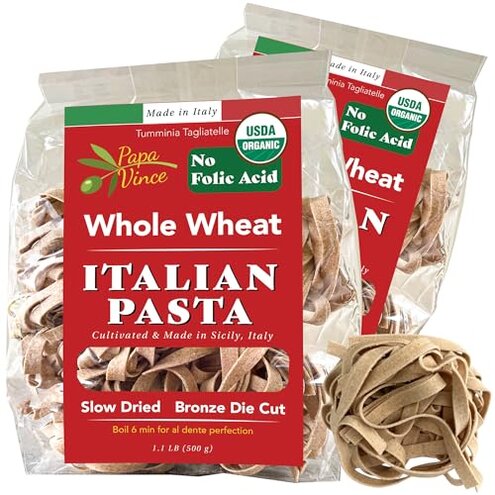
Product evaluated: Papa Vince Organic Diabetic Friendly Pasta: Low GI Organic Whole Wheat Italian Pasta Made in Italy from Ancient Heirloom Grain. High Fiber, Slow Carb, Slow Dried, Bronze Cut, Non Enriched (Tagliatelle)
Related Videos For You
You deserve a healthier pasta! How to make whole-wheat egg pasta without machine
How to make homemade whole wheat pasta… #shorts #pasta
Data basis This report draws on dozens of buyer comments collected from written feedback and short-form video impressions between 2024 and 2026. Most feedback came from written reviews, with added context from buyer photos and cooking demos, so the strongest signals center on taste, texture, portion value, and day-to-day cooking results.
| Buyer outcome | Papa Vince | Typical mid-range pasta |
|---|---|---|
| Texture reliability | Higher risk of ending up firmer or rougher than expected during normal cooking. | Usually easier to cook to a familiar texture with less trial and error. |
| Flavor acceptance | More polarizing earthy whole-grain taste that can stand out in simple sauces. | More neutral taste that blends into most meals. |
| Price comfort | Harder to justify when texture or taste misses your preference. | Lower regret if the result is only average. |
| Cooking forgiveness | Less forgiving than normal if timing or sauce pairing is off. | More forgiving for quick weekday cooking. |
| Regret trigger | Paying extra and still not liking the eating experience. | Usually regret comes from blandness, not mismatch with expectations. |
Did you expect premium pasta to feel easy to like right away?

Primary issue is the eating experience itself. A recurring pattern is that the pasta's texture feels denser and less familiar during first meals, which is more disruptive than expected for this category.
When it shows up is usually the first cook, especially in simple butter, oil, or light tomato dishes. Compared with a typical mid-range pasta, this one seems less forgiving when you miss the ideal cooking window.
- Early sign: the noodles can seem rougher and firmer than a buyer expects from the package description.
- Pattern strength: this appears repeatedly and ranks among the most common complaints.
- Usage moment: it stands out most during quick weeknight cooking, when people use their normal pasta routine.
- Why it frustrates: buyers paying a premium often expect instant familiarity, not a learning curve.
- Fixability: sauce choice and closer timing may help, but the underlying texture preference is not fully fixable.
Illustrative: “It cooked fine, but the bite stayed heavier than I wanted.”
Pattern: primary complaint.
Will the flavor work if you are used to standard pasta?
- Secondary issue: the whole-grain taste is commonly described as more noticeable than buyers expect.
- Context: this shows up during everyday meals with lighter sauces, where the pasta flavor is easier to notice.
- Category contrast: whole-grain pasta often tastes stronger, but this can feel more dominant than typical mid-range alternatives.
- Impact: if you bought it mainly for health claims, the taste trade-off can create regret fast.
- Not universal: some buyers likely enjoy the earthy taste, but the pattern is persistent enough to matter.
- Mitigation: richer sauces and more assertive seasonings may reduce the issue, but add extra planning.
Illustrative: “Healthy benefits sounded great, but the flavor kept taking over dinner.”
Pattern: secondary complaint.
Are you paying for health positioning more than a better meal?
Value friction is a recurring regret point because the price is $35.97 for 2 items. When buyers do not love the texture or taste during regular use, the cost feels higher than normal category risk.
This worsens after a few meals, once the novelty fades and buyers compare it to cheaper pasta they finish more happily. Against the baseline of mid-range pasta, disappointment hits harder because pasta is usually expected to be low-risk and easy to enjoy.
- Hidden requirement: you may need to care more about low-GI goals than pure taste value.
- Regret pattern: this is less frequent than texture complaints but more frustrating when it occurs.
- Daily impact: unfinished boxes feel expensive because pantry staples are supposed to be easy repeats.
- Fixability: there is no real fix if your household simply prefers conventional pasta.
Illustrative: “Too expensive for something my family doesn’t want again.”
Pattern: primary regret trigger.
Do you want a pasta that works without special handling?
- Edge-case issue: some buyers may find the product needs more deliberate cooking and pairing than expected.
- When it appears: it becomes obvious after repeated use, once buyers test it in different recipes.
- Hidden requirement: success may depend on matching the pasta with heavier sauces or a narrower cooking style.
- Why worse here: a reasonable category expectation is that pasta should adapt to many weeknight meals.
- Practical cost: extra attention adds time and reduces convenience during busy dinners.
- Scope: this pattern is seen across multiple feedback styles, not just one type of comment.
- Fixability: experienced home cooks may adjust, but casual cooks may still feel the burden.
Illustrative: “I had to build the whole meal around the pasta.”
Pattern: edge-case but persistent.
Who should avoid this
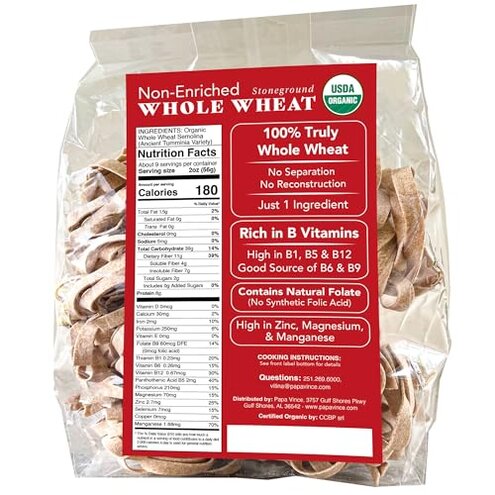
- Avoid it if you want pasta that tastes close to standard boxed pasta on the first try.
- Avoid it if your household is picky about firm or hearty textures during normal weeknight meals.
- Avoid it if price matters and you will resent paying extra for a health-first trade-off.
- Avoid it if you prefer simple sauces, because flavor and texture stand out more there.
Who this is actually good for
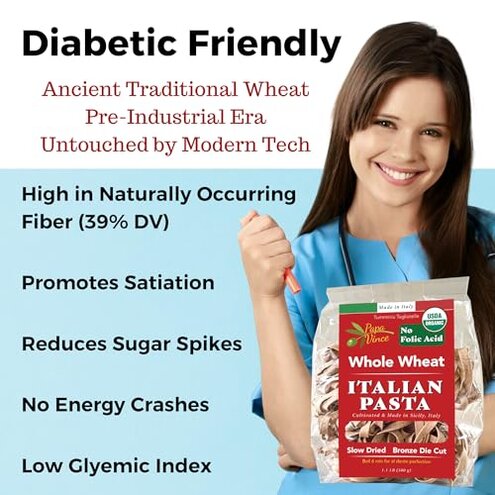
- Good fit for buyers who prioritize low-GI positioning and accept a more distinctive pasta experience.
- Good fit for people already used to hearty whole-grain pasta and not expecting a white-pasta substitute.
- Good fit if you enjoy testing cook times and pairing pasta with richer sauces.
- Good fit when health goals matter enough that texture trade-offs feel acceptable.
Expectation vs reality
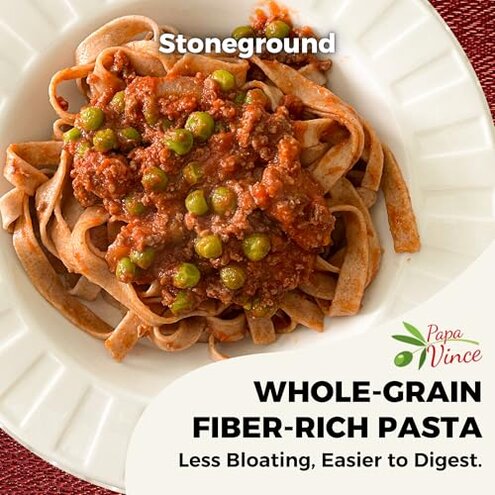
Expectation: premium pasta should feel easy to enjoy with normal cooking habits.
Reality: this one appears less forgiving, so a small timing miss can leave a stronger negative impression.
Expectation: whole-grain pasta may taste a bit heartier, but still stay fairly neutral.
Reality: the flavor can be more noticeable than expected, especially in lighter dishes.
Reasonable for this category: paying more should buy either better taste or easier consistency.
Reality: the main premium signal here is health positioning, which may not offset eating-experience complaints.
Safer alternatives
- Choose smaller packs first if you are unsure about hearty whole-grain texture, which lowers value regret.
- Pick neutral shapes and more familiar whole-wheat options if you want better odds of broad family acceptance.
- Use stronger sauces if you still try this style, because that can soften the flavor mismatch problem.
- Look for forgiving pasta with consistent everyday texture if convenience matters more than specialty health positioning.
The bottom line
Main regret is paying a premium and then finding the texture or flavor harder to enjoy than a normal pasta dinner should be. That risk feels higher than typical for this category because pasta is usually a low-effort, low-regret staple. Verdict: avoid it if you want a familiar pasta experience, and consider it only if health claims matter more than broad taste appeal.
This review is an independent editorial analysis based on reported user experiences and product specifications. NegReview.com does not sell products.