
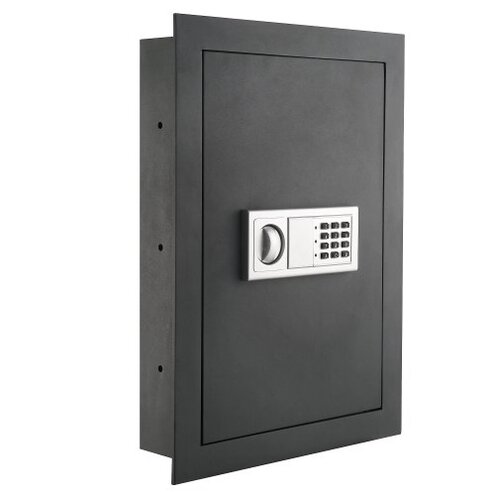
Product evaluated: In-Wall Safe with Electronic Keypad and 2 Manual Override Keys - Protect Money, Jewelry, and Passports at Home or Business by Paragon Safes (Gray)
Related Videos For You
How to install a Wall Safe
3 Types of Concealed Safes - How Do You Hide a Safe?
Data basis: This report draws on dozens of written reviews, Q&A posts, and video demonstrations collected through January 2026, with most feedback coming from written reviews supported by demonstration clips and buyer comments.
| Outcome | Paragon In-Wall Safe | Typical Mid-Range In-Wall Safe |
|---|---|---|
| Installation hassle | Requires extra framing or adjustments for a snug fit, commonly reported during first install. | Usually fits standard studs with simpler mounting, fewer adjustments expected. |
| Lock reliability | Keypad lockouts appear repeatedly for some buyers after setup or with weak batteries. | Fewer random lockouts and clearer override paths in similar mid-range models. |
| Build & security feel | Thin-door feel and alignment problems reported more often than typical for the class. | Heavier feel and tighter tolerances on many mid-range alternatives. |
| Regret trigger | Unexpected lockouts and installation rework that make the safe unusable at critical times. | Occasional setup tweaks that rarely prevent access when needed. |
Top failures
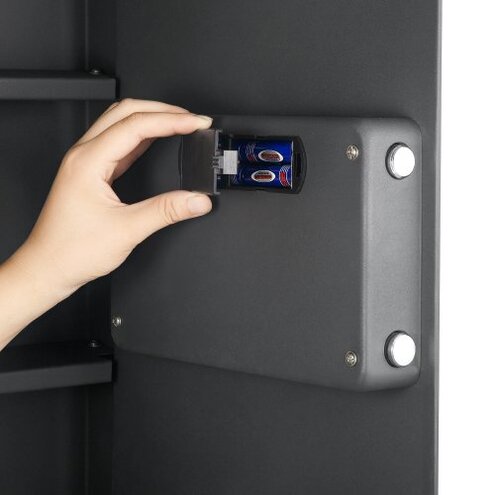
Why did the keypad lock me out when I needed it?
Regret moment: Buyers report being locked out after entering codes or when batteries drop, creating an urgent access problem.
Pattern & context: This is a commonly reported issue, especially after setup or during daily use when batteries age.
Category contrast: Lockouts are more disruptive than expected for mid-range safes, because the alarm and code retry logic can leave users without quick recovery.
Does the safe need special wall work to fit?
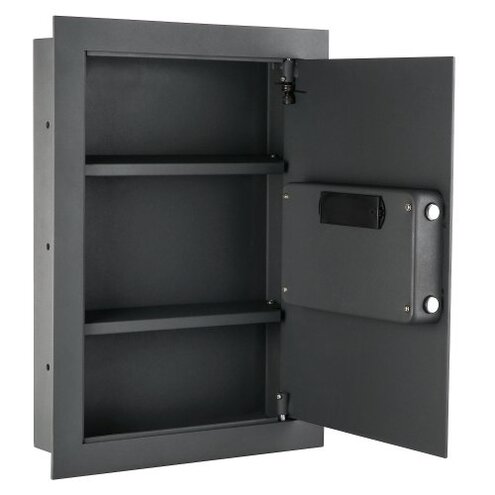
- Early sign: Gap or tilt when mounted between studs appears repeatedly during first install.
- Frequency tier: This is a secondary issue seen across many installation reports, not universal but frequent.
- Cause: The unit often needs extra framing or shimming for a clean flush fit.
- Impact: Poor fit increases visibility and reduces security perception for owners using wall art or closets to hide it.
- Fix attempts: Buyers report adding blocking or longer bolts to stabilize the unit after installation.
Will the safe feel sturdy and secure?
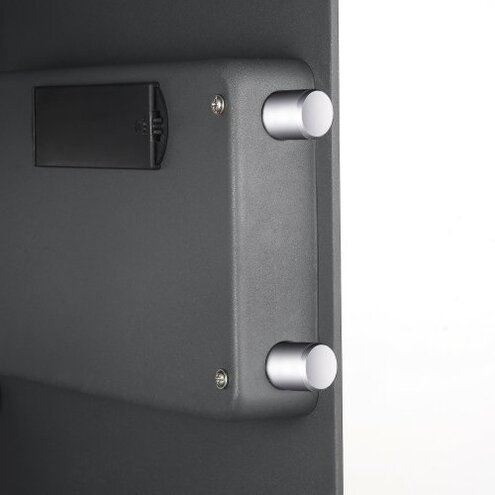
- Primary complaint: A flimsy door feel is commonly noted during first inspection and everyday handling.
- Scope signal: Reports come from multiple buyers and demo videos, making this a persistent perception.
- Why worse: Compared with mid-range peers, the door and latch tolerances feel less robust, raising doubts about forced-entry resistance.
- Early sign: Misalignment or rubbing on the frame during opening appears soon after mounting for several users.
- Impact on use: Rubbing can worsen with daily use and eventually affect the ability to close or lock cleanly.
- Attempted fixes: Shimming and bending the latch are commonly reported, adding extra time and tools.
- Hidden requirement: Expect to need basic metalworking or carpentry tools to correct alignment at install.
Are batteries and the alarm reliable long-term?
- Symptom: Short battery life and intermittent keypad responsiveness are reported after months of use.
- When it shows: Problems tend to appear after repeated use or when the safe is used daily.
- Frequency tier: This is a secondary issue, less frequent than lockouts but more frustrating when it occurs.
- Cause: Built-in power draw from the alarm and keypad seems to shorten battery life for some buyers.
- Impact: Weak batteries can trigger the same lockout behaviors, compounding access risk.
- Attempted fixes: Frequent battery replacement or switching to high-capacity cells is commonly tried.
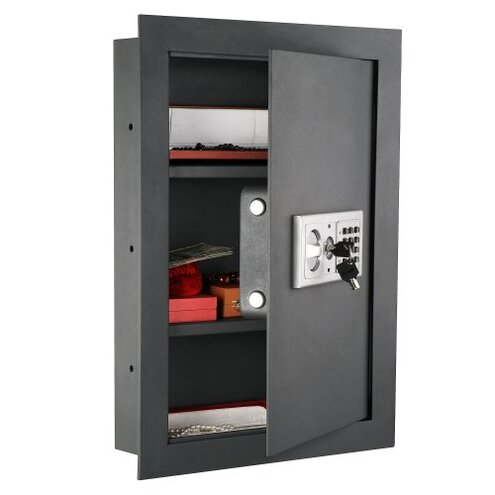
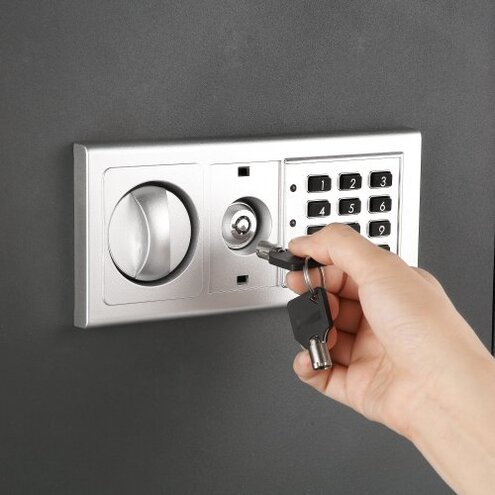
- Fixability: The unit includes manual override keys, but buyers report these are inconvenient if keys are misplaced.
- Edge signal: Some users who use the safe heavily notice battery drain far sooner than expected.
Illustrative excerpts (not real quotes)
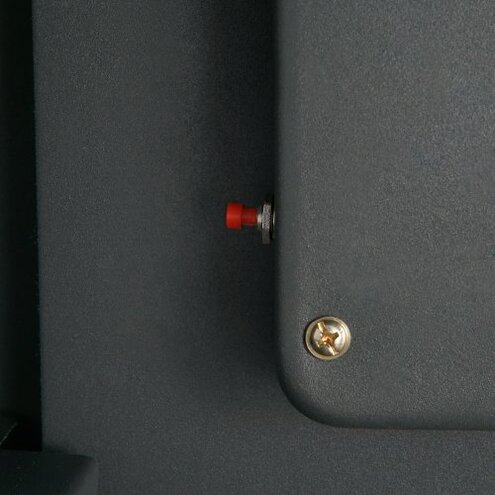
"Locked out mid-day despite fresh batteries and correct code." — Primary pattern
"Needed extra studs and shims to stop the door rubbing." — Secondary pattern
"Batteries lasted months, then keypad lagged and alarm sounded." — Secondary pattern
"Override keys felt small and easy to misplace in an emergency." — Edge-case pattern
Who should avoid this
- Dependable access required: Buyers who need guaranteed entry under pressure should avoid this model due to recurring lockout reports.
- Minimal DIY tolerance: People unwilling to add framing or adjust alignment should avoid it because installation often needs extra work.
- High-security expectations: Those wanting a heavy, fortress-like feel should avoid it because many report a lighter door and looser fit.
Who this is actually good for
- Budget-conscious homeowners: Buyers accepting extra setup can use it as a low-cost hidden storage solution despite keypad quirks.
- Infrequent access needs: Users who open the safe rarely can tolerate shorter battery life and occasional keypad lag.
- Handy DIYers: People comfortable with framing, shimming, and minor metal adjustments will manage alignment and fit issues.
Expectation vs reality
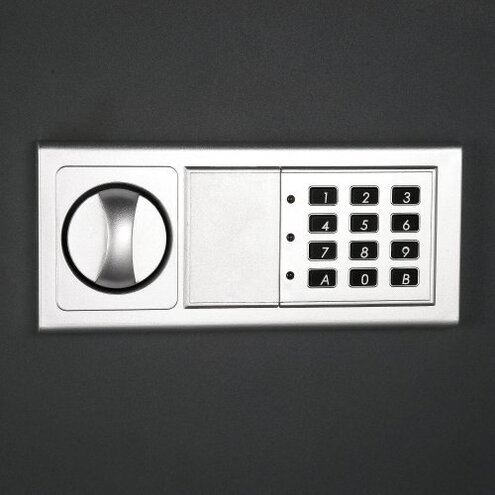
- Expectation: Reasonable for this category is a simple install and reliable keypad.
- Reality: Many buyers face extra installation steps and occasional lockouts that exceed normal inconvenience.
- Expectation: Battery life that lasts many months under light use.
- Reality: Some experience faster-than-expected battery drain when the alarm and keypad are used daily.
Safer alternatives
- Choose heavier-door models: Look for safes advertising thicker doors and reinforced latches to neutralize the flimsy-door concern.
- Prefer easier-install designs: Pick units labeled for standard-stud mounting to avoid extra framing and shimming work.
- Check power design: Select safes with external power options or lower keypad draw to reduce battery-related lockouts.
- Test override access: Buy from sellers with clear override procedures and spare key policies to reduce emergency access risk.
The bottom line
Main regret: The primary trigger is unexpected lockouts and installation friction that can make the safe unreliable during urgent access.
Why it matters: These issues occur more often than typical for mid-range in-wall safes and require DIY fixes or frequent battery upkeep.
Verdict: Avoid this model if you need worry-free daily access or low-effort installation; consider alternatives with stronger build and clearer power/override design.
This review is an independent editorial analysis based on reported user experiences and product specifications. NegReview.com does not sell products.